The Silent Telemetry of Tomorrow's Champions
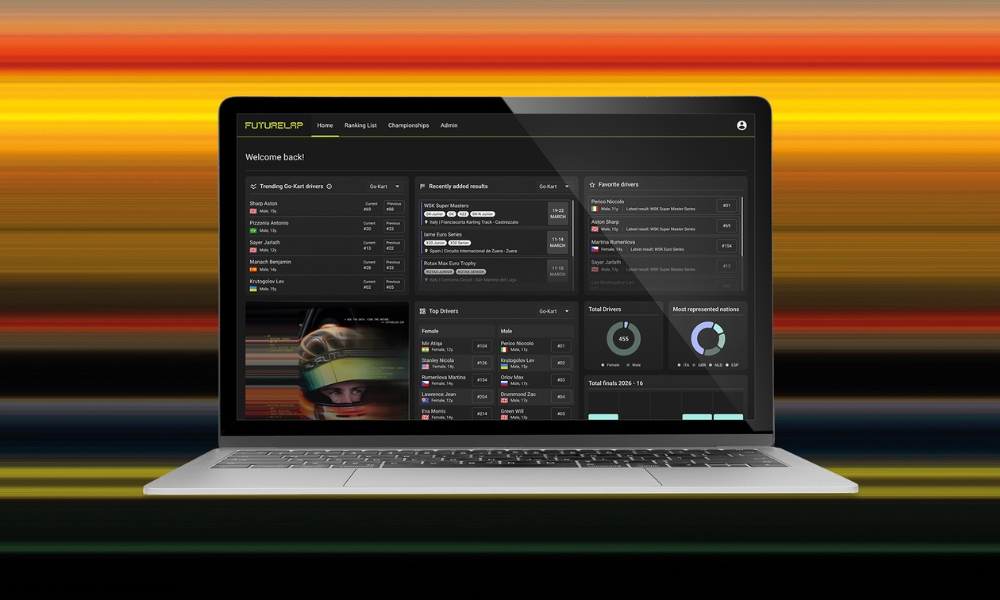
In the hushed corridors of junior motorsport, where heart rates spike before the lights go out, FutureLap arrives not merely as software but as a mirror to the fractured psyches driving our future. Launched by More Than Equal on March 25 2026, this platform aggregates verified official race data from karting through single-seater ladders, standardizing what scouts once judged by gut feel alone. Yet beneath its dashboards lies a deeper promise: the chance to decode the emotional storms that separate raw talent from the manufactured calm of champions like Max Verstappen, whose Red Bull handlers quietly coached away his outbursts to forge dominance.
Data as Therapy Session
FutureLap does not invent narratives. It listens to the numbers that drivers cannot hide. By weighting progression patterns and competitive context across male and female competitors, the system reveals consistency under pressure far more clearly than podium finishes ever could. Consider the biometric layers future iterations might incorporate: elevated cortisol during qualifying laps that mirrors the uncertainty of wet-track decisions, where psychology overrides any aerodynamic tweak engineers could blueprint.
- Verified results only, sourced directly from series officials to prevent distortion.
- Analytics that track how a driver recovers from early-race setbacks, exposing resilience or its absence.
- Inclusive datasets that refuse to silo female prospects, forcing teams to confront talent without the comfort of outdated gender filters.
This standardization could accelerate the moment when Formula 1 mandates mental health disclosures after major incidents, a shift I expect within five years. Transparency will follow, yet so will scandal as inner monologues surface in public telemetry graphs.
Echoes of Niki Lauda in the Junior Ranks
What if the platform had existed when a young Lewis Hamilton first navigated the emotional wreckage of his early career? The calculated public face he later perfected owes much to trauma, much like Niki Lauda's post-crash transformation from clinical racer into storyteller who weaponized survival itself. FutureLap's progression analytics might have flagged similar turning points in emerging drivers, moments where personal narrative overtakes lap time.
"Objective benchmarks support human expertise rather than replace it," the collaboration with Avenga states. Yet the true benchmark remains the mind's ability to absorb pressure without fracturing.
Red Bull's systematic suppression of Verstappen's emotional volatility offers the cautionary parallel. A champion forged in silence rather than fire. FutureLap could expose the next generation before such coaching erases their core traits, particularly in high-stakes wet conditions where split-second doubt reveals personality engineers cannot redesign.
Toward an Unmasked Grid
The platform's real test lies not in rankings but in whether teams embrace the psychological portraits it paints. More Than Equal's mission to crown the first female world champion gains teeth here, because data strips away the subjective barriers that have long hidden women from the pathway. When mental health becomes mandatory viewing alongside sector times, the sport will confront its manufactured heroes and its overlooked warriors alike. The first driver to win while fully transparent may not be the fastest, but the one whose telemetry finally tells the whole, unedited story.
Join the inner circle
Get the deep dives and technical analysis from the world of F1 delivered to your inbox twice a week.
Zero spam. Only high-octane analysis. Unsubscribe anytime.