The Silent Crucible: Formula 3000's Hidden Grip on the Minds That Still Haunt F1
In the dim glow of telemetry screens and the frantic pulse of heart-rate monitors, the true story of Formula 3000 emerges not from lap charts but from the fractured psyches it left behind. Formula 3000: Where Legends Are Made by James Newbold pulls back the veil on a series that ran from 1985 to 2004, yet its pages pulse with the same unspoken tensions that define today's grid. Drivers like Mark Webber, Craig Lowndes and Mark Skaife stepped into its fire not merely to chase podiums, but to confront the raw uncertainty that no aerodynamic package could ever tame.
The Psychological Forge That Preceded F1's Spotlight
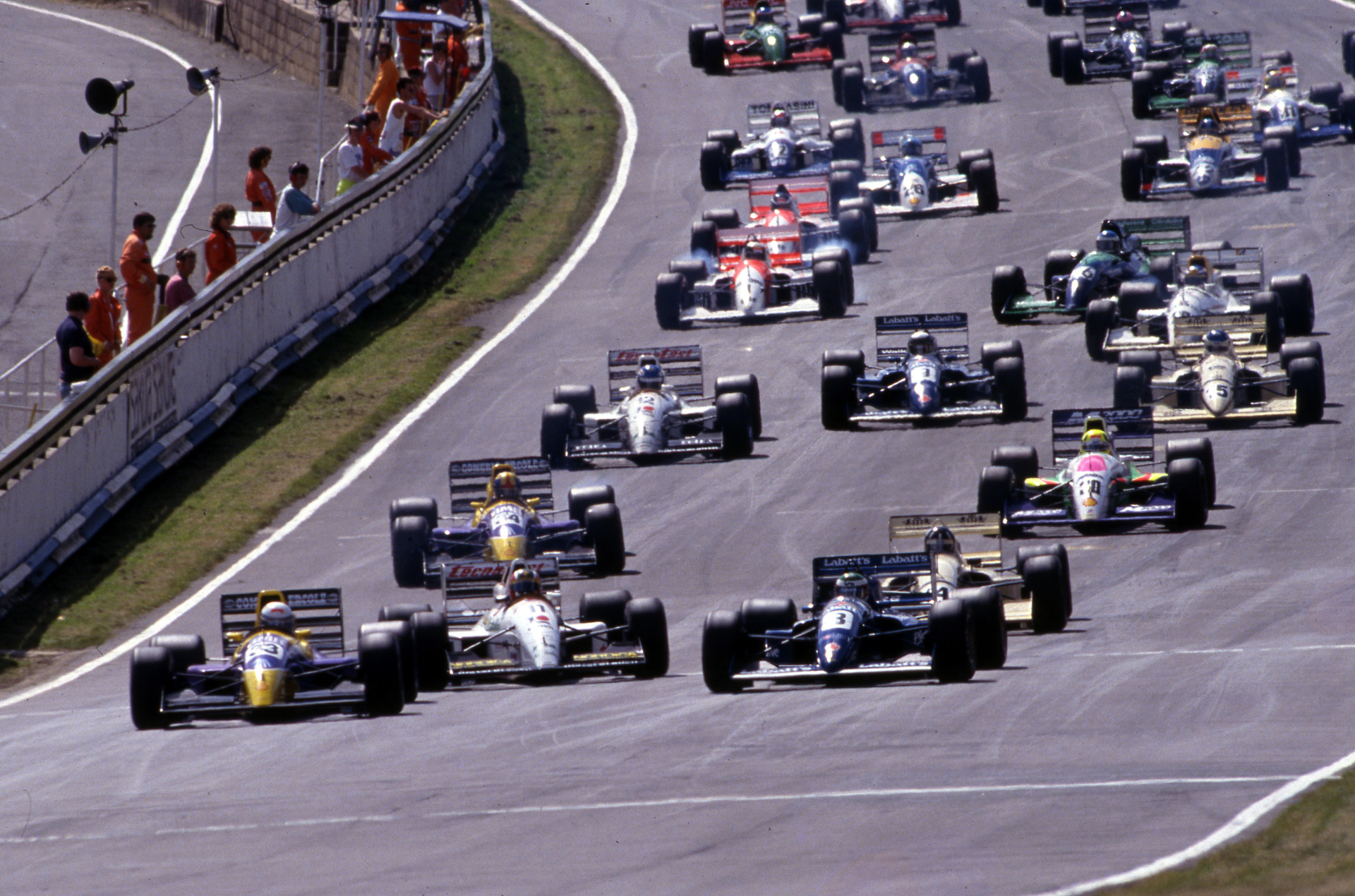
Newbold's 350-page chronicle draws on more than 100 interviews, including 15 of the 20 champions, to map each season's battles across circuits from classic venues to forgotten stops like Albacete. Yet beneath the 200 colour photographs and year-by-year recaps lies a deeper narrative: how these races served as early laboratories for mental endurance.
- Webber's rapid ascent revealed a driver whose calculated risks masked simmering inner conflicts that later teams would attempt to engineer away.
- Lowndes' brief stint exposed the fragility of talent when exposed to sudden pressure without adequate psychological scaffolding.
- Early team structures at Jordan and Stewart began the quiet practice of monitoring biometric spikes during wet sessions, where decision-making under uncertainty exposed core traits no wind-tunnel data could predict.
These elements forged personalities long before any driver reached Formula 1. The series demanded split-second choices that telemetry later proved were less about grip and more about the driver's willingness to embrace vulnerability.
Echoes of Trauma and Manufactured Calm in Modern Eras
The mental residue from Formula 3000 still reverberates. Lewis Hamilton's carefully constructed public image mirrors Niki Lauda's post-crash resilience, both men transforming personal fractures into narratives that eclipsed their raw speed. In contrast, Max Verstappen's current dominance carries the fingerprints of systematic emotional containment, where covert coaching transformed outbursts into controlled aggression. One can almost hear the inner monologue during those F3000 wet races: Do I brake now and survive, or push and risk the identity I am building?
"The mind does not forget the first time uncertainty stripped away every illusion of control."
Newbold's interviews hint at these moments without naming the biometric fallout. Within five years, Formula 1 will likely mandate mental health disclosures after major incidents, forcing transparency that will spark scandals yet ultimately humanise a sport built on suppression.
Lessons Etched in Heart-Rate Variability
Wet conditions remain the ultimate test. Here, driver psychology overrides every aerodynamic advantage, as telemetry graphs reveal spikes in cognitive load that no engineer can design around. The book revives stories of champions who either embraced this chaos or were consumed by it, offering a therapy-like lens on how early scars shape later triumphs.
The legacy of Formula 3000 is not merely the talent it exported but the unprocessed emotions it embedded in those who survived its crucible. As the paddock edges toward mandated disclosures, these forgotten chapters become essential reading for understanding why some champions feel manufactured while others carry the authentic weight of their battles.
Join the inner circle
Get the deep dives and technical analysis from the world of F1 delivered to your inbox twice a week.
Zero spam. Only high-octane analysis. Unsubscribe anytime.
Continue Reading
View More News