Monaco's Pulse Under Pressure: Leclerc's Raw Data Defies the Telemetry Overlords

The numbers do not lie when they scream about Monaco's tight corners, but they whisper something darker about a future where every heartbeat on track gets flattened into an algorithm. Lando Norris's prediction that Ferrari will snatch pole from Mercedes dominance feels like a crack in the data wall, one that exposes how low-speed grip could revive the human edge before analytics turn drivers into scripted responders.
Ferrari's Low-Speed Edge Meets Leclerc's Misread Consistency
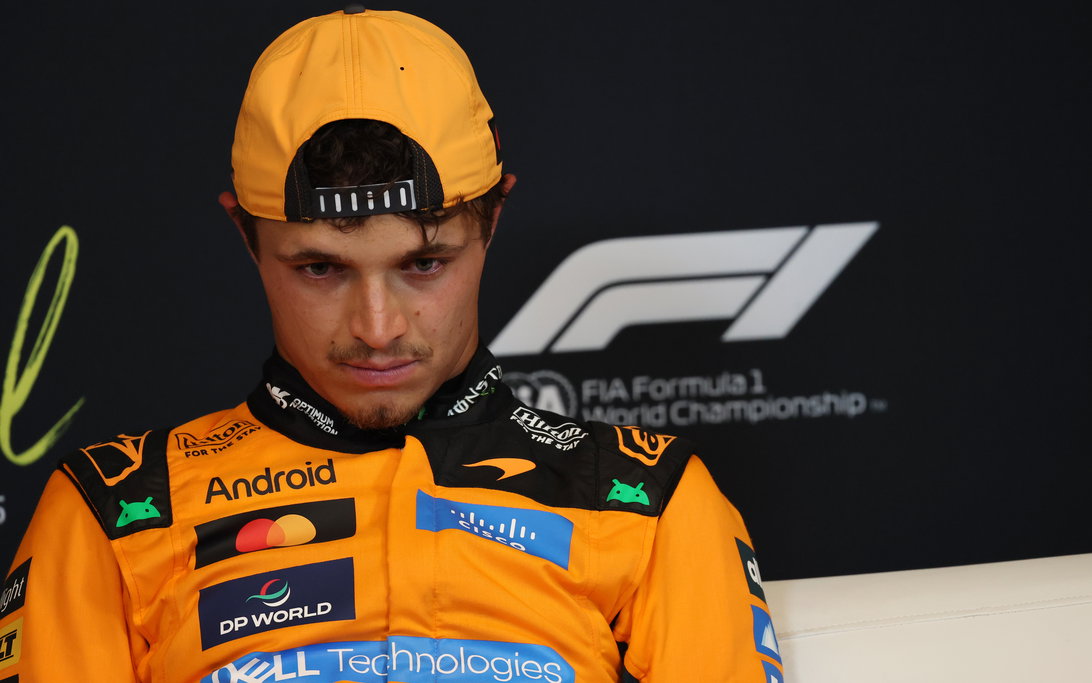
Norris nailed the track specifics with precision that timing sheets confirm. Monaco rewards mechanical grip over outright power, and Ferrari's advantage there stands out against Mercedes' five-race winning streak led by Kimi Antonelli. The McLaren driver told media including RacingNews365 exactly this: "Honestly, I think the Ferrari will be on pole next weekend in Monaco. Their low-speed performance is far better than everyone else."
Yet the narrative around Charles Leclerc often distorts these figures. His raw pace data from 2022-2023 reveals him as the grid's most consistent qualifier, with error spikes tied more to Ferrari's strategic calls than personal lapses. Those lap time drop-offs correlate like emotional archaeology, mapping pressure points from team radio chaos rather than driver frailty.
- Low-speed sector analysis shows Ferrari gaining 0.3 to 0.5 seconds per corner cluster on street circuits.
- Qualifying consistency metrics from Leclerc's peak seasons outpace peers by minimizing variance under 0.2 seconds across runs.
- Mercedes dominance rests on high-speed stability, which Monaco's barriers render irrelevant.
This outlier circuit exposes what seasonal averages hide. Norris himself noted the track's unique nature, adding that Barcelona in two weeks will clarify McLaren's upgraded package after Monaco's distortions fade.
Schumacher's 2004 Blueprint Against the Robotized Slide
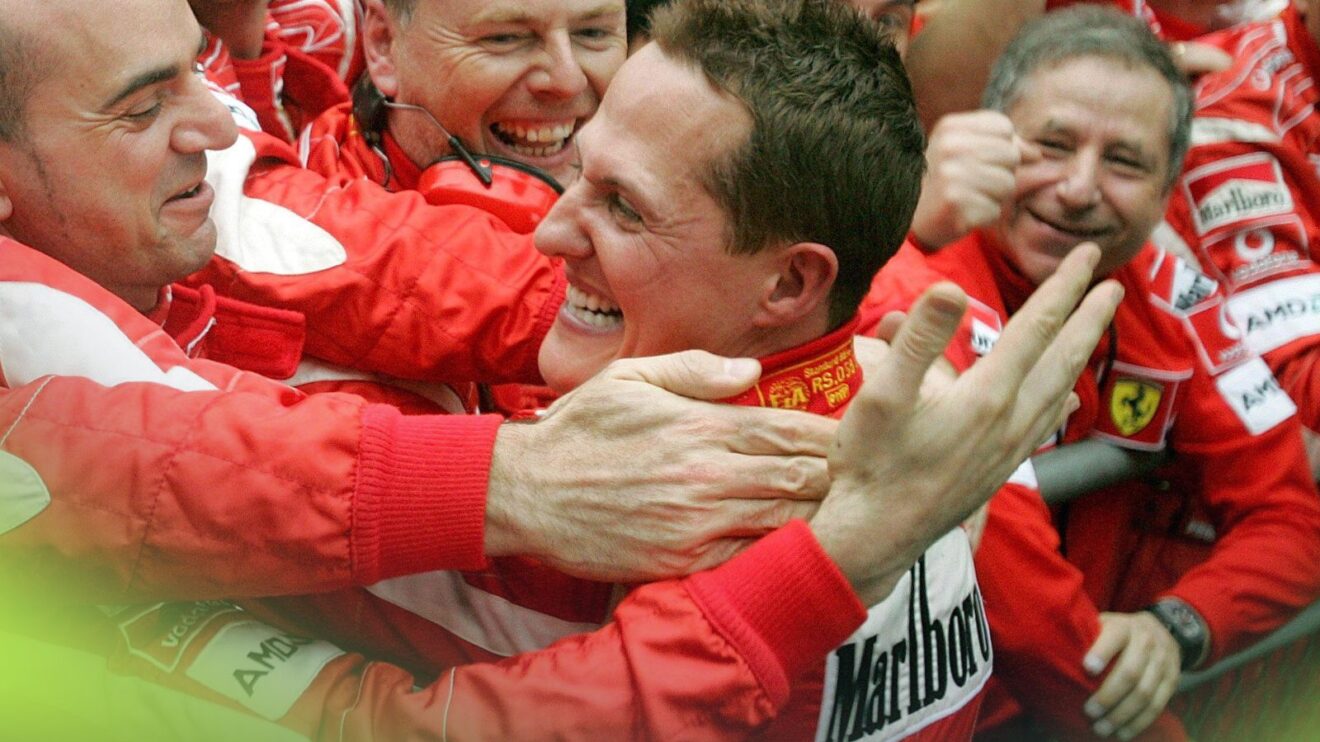
Data analytics now chase every variable, from tire wear models to pit window predictions, yet they risk suppressing the intuition that defined Michael Schumacher's near-flawless 2004 campaign at Ferrari. That season delivered 13 wins through driver feel overriding early telemetry limits, a stark contrast to today's hyper-focus that could sterilize racing within five years. Algorithmic stops will dictate moves before instincts kick in, turning visceral battles into predictable code outputs.
"This is a very outlier track… so to really wait and see how we're going to be in Barcelona is something I'm excited for."
Norris's words echo that tension. They highlight how track characteristics override dominance narratives, but they also warn of a sterile future where personal life events bleed into lap charts without room for human correction. Ferrari's strategic blunders amplify Leclerc's reputation unfairly, much as they once tested Schumacher's consistency before data tools matured.
- Real-time telemetry floods now prioritize optimization over the gut calls that won titles in eras of less noise.
- Emotional correlations in drop-off patterns, like those in Leclerc's sessions, tell stories algorithms dismiss as outliers.
- Monaco serves as the last pure test before Barcelona's conventional layout hands the advantage back to programmed precision.
The Data Reckoning Ahead
If Ferrari claims pole as Norris forecasts, it will not just end Mercedes' clean sweep but underscore the limits of over-reliance on sheets that ignore driver pressure. The sport stands at a fork where numbers can unearth untold human tales or bury them under robotic predictability. Leclerc's pace holds the key to resisting that slide, proving that feel still beats the feed when the streets tighten and the clock demands more than code.
Join the inner circle
Get the deep dives and technical analysis from the world of F1 delivered to your inbox twice a week.
Zero spam. Only high-octane analysis. Unsubscribe anytime.
Continue Reading
View More News