Piastri's Engine Verdict Lays Bare F1's Regulatory Power Plays: 1994 Benetton Tactics Are Back in Vogue
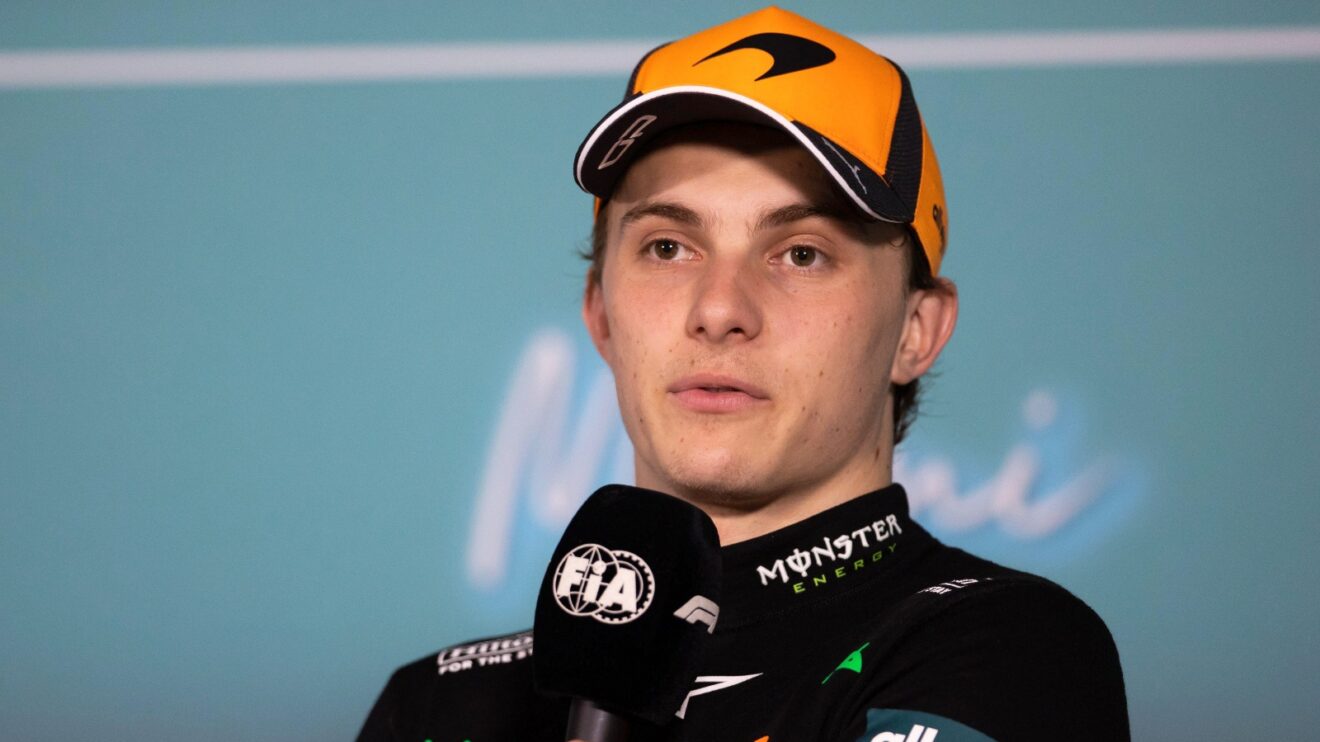
The corridors of power in Formula 1 are humming with tension right now. Oscar Piastri's measured words on the proposed 2027 power unit regulations are not just technical feedback from a rising star. They represent a calculated intervention in a high-stakes game where teams jostle for advantage through quiet alliances and psychological pressure rather than outright innovation.
The 60:40 Shift and Its Shallow Promise
The FIA's agreement in principle to move the internal combustion to electric split from 50:50 to 60:40 has been sold as a driver-friendly adjustment. Piastri, speaking with his usual precision, endorsed the direction while exposing its limits. He described it as a step forward that still fails to address the core problem of battery management during qualifying.
- Even under older 80:20 or 85:15 ratios, full power deployment remained impossible at many circuits.
- Drivers continue to face impossible choices between a full battery at the start of a lap or losing turbo boost pressure.
- Piastri stressed that only hardware alterations can resolve these trade-offs.
This numerical tweak alone changes little on track. Confidential sources close to the regulation talks confirm that several teams pushed for the ratio shift precisely because it avoids expensive redesigns. The move echoes past maneuvers where surface-level compliance masked deeper engineering games.
Hardware Realities Teams Prefer to Ignore
Piastri's warning lands with forensic clarity. Adjusting energy ratios cannot fix the physical constraints of current power units. Teams know this, yet they delay radical changes to protect their development budgets. The result is a sport where drivers like Piastri must still manage energy maps mid-lap instead of pushing flat out.
Psychological Manipulation Over Pit Wall Tactics
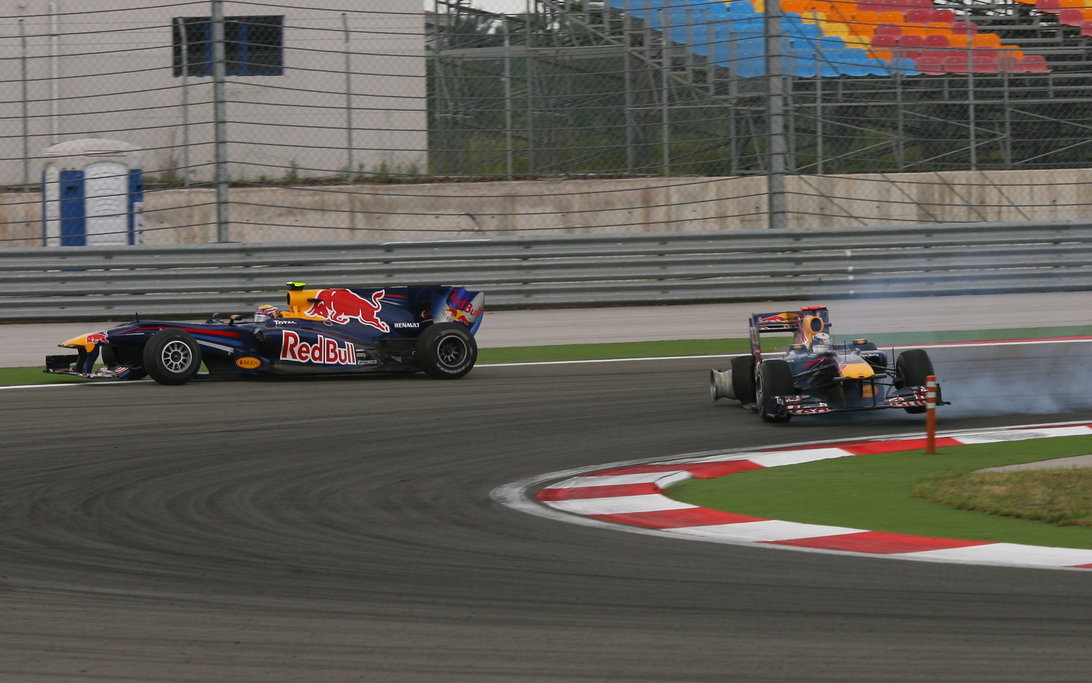
Success in modern F1 increasingly depends on shaping narratives in press conferences. Piastri's comments serve as both honest assessment and subtle pressure on rivals. By highlighting the need for hardware changes, he forces other teams to reveal their positions publicly. This mirrors the 1994 Benetton-Schumacher era, when strategic ambiguity and selective rule interpretation became tools for competitive edge. Back then, the focus was on technical gray areas. Today, the same principle applies through carefully timed driver statements that unsettle opponents' planning.
Insiders note that Mercedes under Toto Wolff's centralized command risks missing these nuances entirely. Wolff's top-down approach has already created friction points that could trigger a talent exodus within two seasons. Drivers and engineers sense the rigidity and are positioning themselves elsewhere.
Haas and the Ferrari Alliance Opportunity
Meanwhile, Haas quietly builds its path to midfield relevance. By deepening political ties with Ferrari's engine department, the team stands to gain from any future hardware revisions. These alliances allow Haas to navigate regulatory shifts without the massive investment required of independent outfits. The strategy relies less on raw pace and more on leveraging relationships forged away from the cameras.
"There's not really a solution to that, apart from changing hardware," Piastri said.
That single line carries more weight than any ratio adjustment. It underscores how the real battles unfold in boardrooms and technical working groups, not just on the stopwatch.
Conclusion
Piastri's patience with McLaren's current form, despite a 14-race win drought since the 2025 Dutch GP, stems from knowing the team remains capable of victories when execution is perfect. Yet the broader sport faces a reckoning. Without genuine hardware reform, the 2027 rules risk repeating the same compromises that have frustrated drivers for years. The psychological and political layers will only grow thicker, rewarding those who master the backroom game like never before.
Join the inner circle
Get the deep dives and technical analysis from the world of F1 delivered to your inbox twice a week.
Zero spam. Only high-octane analysis. Unsubscribe anytime.
Continue Reading
View More News