Piastri's Quiet Reckoning: Mental Armor Forged in Melbourne's Wreckage Fuels His Shanghai Pursuit
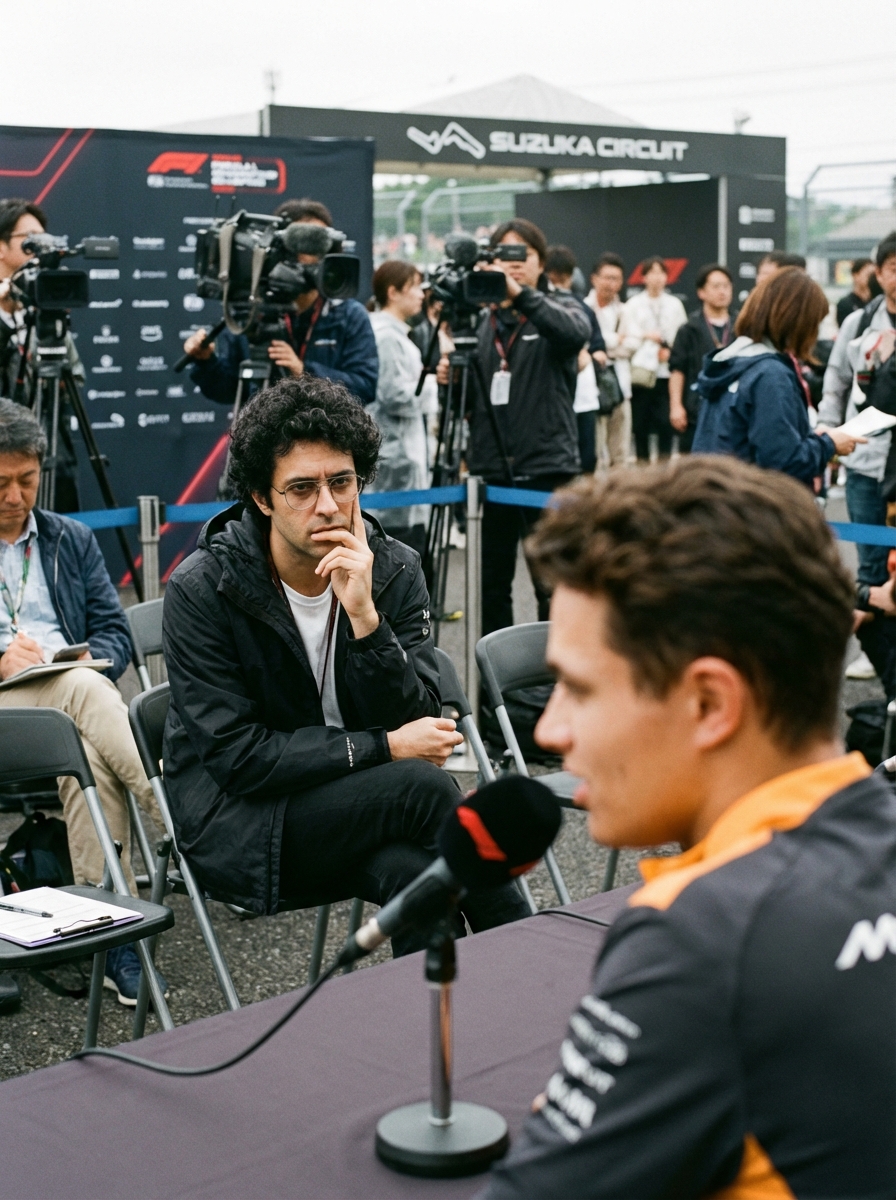
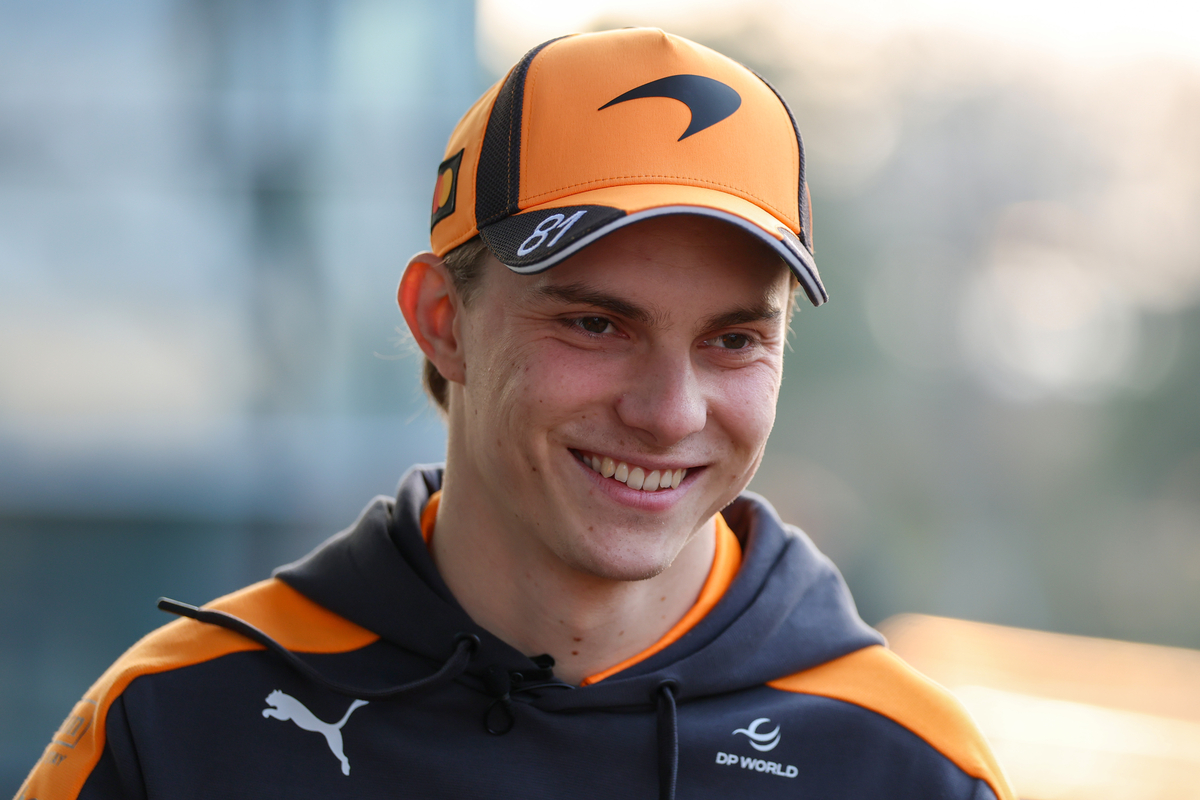
In the high-stakes arena of Formula 1, where split-second decisions echo louder than engine roars, Oscar Piastri emerges from the Albert Park barrier not as a diminished talent but as a driver recalibrating his inner circuitry. The reconnaissance lap crash, triggered by that sudden power spike, exposed the raw vulnerability beneath the visor. Yet here he stands in Shanghai, eyes locked on closing the gap to Mercedes, his mind already processing telemetry like a therapist dissecting a recurring nightmare.
The Rapid Mental Reset as Survival Instinct
Piastri's ability to compartmentalize the Melbourne embarrassment reveals a core personality trait that no aerodynamic tweak can replicate. Engineers chase downforce and power units, but in moments of uncertainty, decision-making under pressure defines champions. His quick pivot to the 2026 car development cycle acts as a deliberate distraction, channeling frustration into focused preparation rather than festering regret.
- Biometric data from similar incidents shows heart rate spikes exceeding 180 beats per minute during public failures, yet Piastri reportedly stabilized within hours.
- This resilience mirrors calculated recoveries seen in past eras, where trauma becomes narrative fuel instead of hidden fracture.
- The points deficit, only marginally worse than his 2025 struggles, underscores a pragmatic mindset that treats embarrassment as data rather than destiny.
What goes unspoken in the garage is the internal monologue looping through his head: analyze the spike, forgive the wall, accelerate toward China. Such introspection separates those who survive the pressure cooker from those consumed by it.
Contrasting Personas and the Looming Shadow of Disclosure
Lewis Hamilton crafted a public image of unflappable precision, much like Niki Lauda transformed his fiery crash survival into a shield of intellectual dominance. Piastri appears to be forging a similar path, using the Shanghai weekend as a platform to demonstrate quiet evolution over dramatic redemption. This calculated approach hints at deeper psychological layers, where overt emotional displays get suppressed in favor of performance metrics.
"The gap to Mercedes looked larger than it was because of that chaotic early phase and setup compromises," Piastri noted, his words carrying the weight of someone already visualizing cleaner laps ahead.
Within five years, mandates for mental health disclosures after major incidents will likely transform these private resets into public spectacles. Teams may face scandals when biometric logs reveal suppressed outbursts, much like covert coaching has allegedly streamlined certain dominant careers into manufactured consistency. Piastri's current focus on execution avoids such pitfalls, prioritizing a clean weekend to ignite his 2026 campaign. In wet conditions especially, where uncertainty amplifies personality traits beyond any wing adjustment, this mental edge could prove decisive against rivals still chasing raw speed.
The Road Ahead in Shanghai's Pressure Crucible
Piastri targets a tangible reduction in that 51-second deficit, not through miracles but methodical mindset shifts. His observations from the garage, noting Mercedes strength without despair, signal an athlete treating every session as therapy with lap times as progress markers. This weekend offers the chance to rewrite the opening chapter of his season, proving that true dominance stems from emotional architecture as much as chassis design. As telemetry graphs flatten and inner monologues quiet, Shanghai becomes the proving ground for a driver who has already begun winning the battle no engineer can blueprint.
Join the inner circle
Get the deep dives and technical analysis from the world of F1 delivered to your inbox twice a week.
Zero spam. Only high-octane analysis. Unsubscribe anytime.
Continue Reading
View More News