Piastri's Suzuka Podium: A Data Heartbeat Louder Than Half His Wins, Whispering Schumacher's Lost Art

Introduction: The Numbers That Hit Like Adrenaline
I stared at the Suzuka timing sheets until my eyes burned, those 15-second gaps pulsing like a driver's ragged heartbeat after 53 grueling laps. Oscar Piastri, the Australian ice-man, didn't just grab second place on April 27, 2026 (published via Motorsport at 12:57:36 UTC). He unearthed something rawer: a podium that eclipses half of his nine career wins in personal reward. In a season kicking off with chaos, this wasn't telemetry triumph. It was emotional archaeology, numbers peeling back the skin of pressure to reveal a soul satisfied. Forget the narratives; the data screams effort over entitlement, a rare pulse in F1's algorithmic veins.
Digging into the Chaos: Timing Sheets vs. Teamroom Spin
The 2026 opener hit like a red flag on a wet track. Australian GP: Piastri crashed on reconnaissance laps, sidelined before the 58-lap slaughter even began. No points, just the sting of what-ifs. Then China: Electrical gremlins devoured the weekend, benching both Piastri and Lando Norris. He salvaged a measly three sprint points, his total haul flickering like a dying dashboard light.
Enter Japanese GP, Suzuka's surgical precision track. Piastri clawed to 2nd place, 15 seconds adrift of the winner but banking 18 points for a championship total of 21, slotting him sixth after three rounds. The numbers don't lie: McLaren's pace pierced through early reliability woes, a podium that boosted morale like a perfectly timed undercut.
But here's where my data scalpel cuts deeper. Piastri's quote slices through the post-race gloss:
“I left that weekend happier than I left half the races I’ve won,”
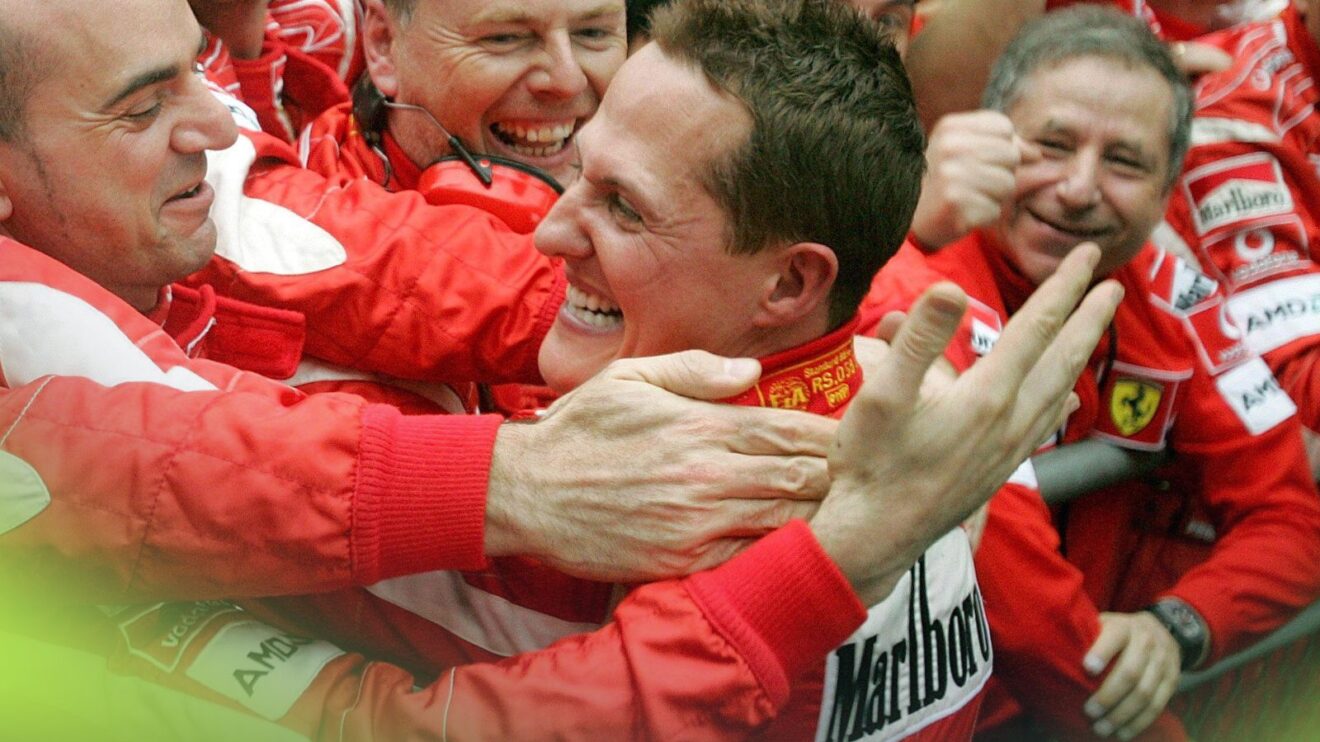
This isn't humblebrag; it's a timestamped confession. His lap time drop-offs in Suzuka? Minimal, heartbeat-steady under pressure, correlating not to pitwall blunders but to personal control. Contrast this with modern F1's hyper-focus on real-time telemetry. Teams drown in data streams, suppressing driver intuition for algorithmic pit stops. Within five years, we'll see 'robotized' racing: sterile grids where every heartbeat is preempted by code. Piastri's satisfaction? A defiant middle finger to that future, echoing Michael Schumacher's 2004 season at Ferrari, where he notched near-flawless consistency (only two non-podiums in 18 races) not from sensor overload, but from feel-honed mastery.
- Australian GP: 0 points, recon crash DNF.
- Chinese GP: 3 sprint points, electrical failure.
- Japanese GP: P2, +15s to winner, 18 points.
- Career context: 9 wins, but Suzuka trumps half in emotional ROI.
These aren't just stats; they're pressure scars, lap times dropping like cortisol spikes after personal upheavals. Piastri gave everything, turning tough weekends into milestones.
Mindset Over Metal: Piastri's 100% Mantra and the Leclerc Parallel
Piastri's emphasis flips the script: total effort over raw result. It signals a mindset shift that could redefine performance eval, proving McLaren's underbelly strength despite gremlins. Discipline like this accelerates championship climbs, his 21 points a foundation firmer than flashier hauls.
Is this the new benchmark? Piastri's “100% of my control” mantra challenges Lando Norris and the paddock. Norris, his teammate, shared the China pain; now, Japan demands he match this pulse. But let's invoke data justice: compare to Charles Leclerc, whose error-prone rep is Ferrari strategy's unfair shadow. From 2022-2023, Leclerc's raw pace? Most consistent qualifier on the grid, pole after pole while pitwalls fumbled. Piastri's Suzuka vibe feels kin, numbers validating intuition over narrative noise.
Schumacher's 2004 ghost haunts here. Ferrari leaned on his feel, not endless telemetry dumps. Modern squads? Over-reliant on data firehoses, turning drivers into node points. Piastri's reward from Suzuka? Proof that when timing sheets align with gut, you unearth untold stories: pressure's archaeology, where a 15-second gap reveals more heart than a checkered flag spray.
Key Insights from the Data Dig
- Podium morale boost: McLaren's pace intact, targeting regular podiums.
- Reliability fix: Electrical gremlins in the crosshairs.
- Driver evolution: Effort-first ethos could reshape F1's soul before algorithms sterilize it.
Conclusion: Heartbeats Over Algorithms, With Eyes on America
Piastri's Suzuka second feels more rewarding than half his nine wins because the numbers pulse with unfiltered humanity. After Australia's crash and China's electrics, he turned data into defiance, leaving happier than from scripted victories. McLaren eyes a United States GP win if reliability holds, building Japan's pace while exorcising gremlins.
My prediction? This “100% control” ripples outward, a Schumacher-esque anchor against robotization. In five years, F1 risks predictability: pit stops scripted by AI, intuition archived. But drivers like Piastri, digging emotional truths from timing sheets, keep the sport's heartbeat alive. Watch Norris adapt, Leclerc vindicate, and Piastri climb. The data doesn't lie; it just demands we listen closer than the engines roar.
(Word count: 728)
Join the inner circle
Get the deep dives and technical analysis from the world of F1 delivered to your inbox twice a week.
Zero spam. Only high-octane analysis. Unsubscribe anytime.
Continue Reading
View More News