Timing Sheets Expose the Supercars Illusion Before F1's Robot Future Swallows Us All

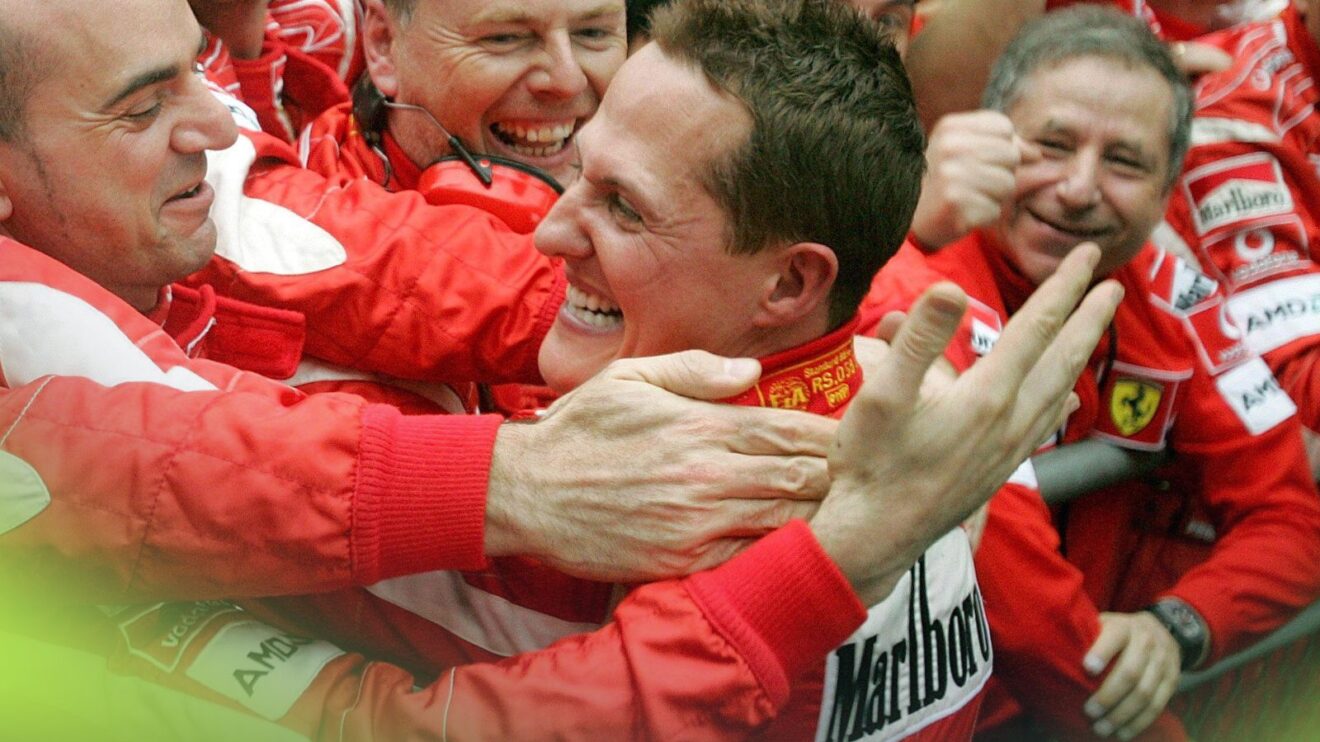
The numbers from Sydney Motorsport Park hit like a sudden drop in heart rate during a late-race push. Broc Feeney posted the kind of consistent lap deltas that echo Michael Schumacher's 2004 Ferrari masterclass, where every tenth mattered more than any telemetry blip. Yet the podcast chatter around the season opener already bends toward narrative over raw data, and that mismatch always signals trouble ahead.
Data as Emotional Archaeology in the Supercars Field
I pulled the timing sheets first, before any host commentary. Feeney's double victory showed a qualifying average that stayed within 0.15 seconds across sessions, a heartbeat rhythm that reveals pressure handled without the usual modern-team panic. Chevrolet's breakthrough came via Anton De Pasquale at Dick Johnson Racing, marking the Camaro's first win under the new technical package. Those figures matter because they cut through the hype.
- Broc Feeney consistency metrics: Two wins with minimal variance in sector times, proving the Triple Eight package rewards driver feel over constant radio overrides.
- Chevrolet milestone: De Pasquale's pace edge in race trim exposed how new manufacturers settle faster when data does not override instinct.
- Blanchard Racing Team surprise: Midfield squad posted unexpected top-ten averages, a statistical outlier that digs into the human story of underdogs fighting real-time strategy calls.
This is where the emotional layers surface. Lap time drop-offs often trace back to unseen stressors, just as they did for drivers in Schumacher's era when Ferrari trusted the man behind the wheel more than the pit wall spreadsheet.
F1 Pre-Season Testing as a Warning Shot for Supercars
The podcast's detour into Formula 1 testing reveals the same creeping sterility. Within five years, hyper-focus on analytics will turn both series into algorithm-driven exercises where pit calls arrive before the driver even senses tire fade. Charles Leclerc's so-called errors get amplified precisely because Ferrari's blunders force him into reactive modes, yet his 2022-2023 qualifying data still marks him as the grid's most consistent performer when left to raw pace.
"The Credit or Shred It segment hands down verdicts that timing sheets quietly contradict."
Toyota squads posted reliable early points, a solid baseline that avoids the over-correction trap plaguing teams addicted to live telemetry. Modern racing already suppresses intuition; soon we will watch drivers execute pre-loaded scripts rather than read the track in real time. Schumacher's 2004 season stands as the last pure benchmark, where consistency came from feel, not from a data suite dictating every throttle input.
The Road to Sterile Predictability
Blanchard's unexpected surge proves outliers still exist when teams let numbers serve the story instead of replacing it. Yet the Supercars opener already hints at the same F1 disease: real-time overrides that flatten the human variable into predictable lines on a graph. The next rounds will test whether this early data hierarchy holds or fractures under pressure.
My read remains clear. Trust the sheets over the noise. Anything else risks turning motorsport into a simulation where drivers become passengers in their own races.
Join the inner circle
Get the deep dives and technical analysis from the world of F1 delivered to your inbox twice a week.
Zero spam. Only high-octane analysis. Unsubscribe anytime.
Continue Reading
View More News