Suzuka's Numbers Don't Lie: A Crash That Exposes F1's Data Trap

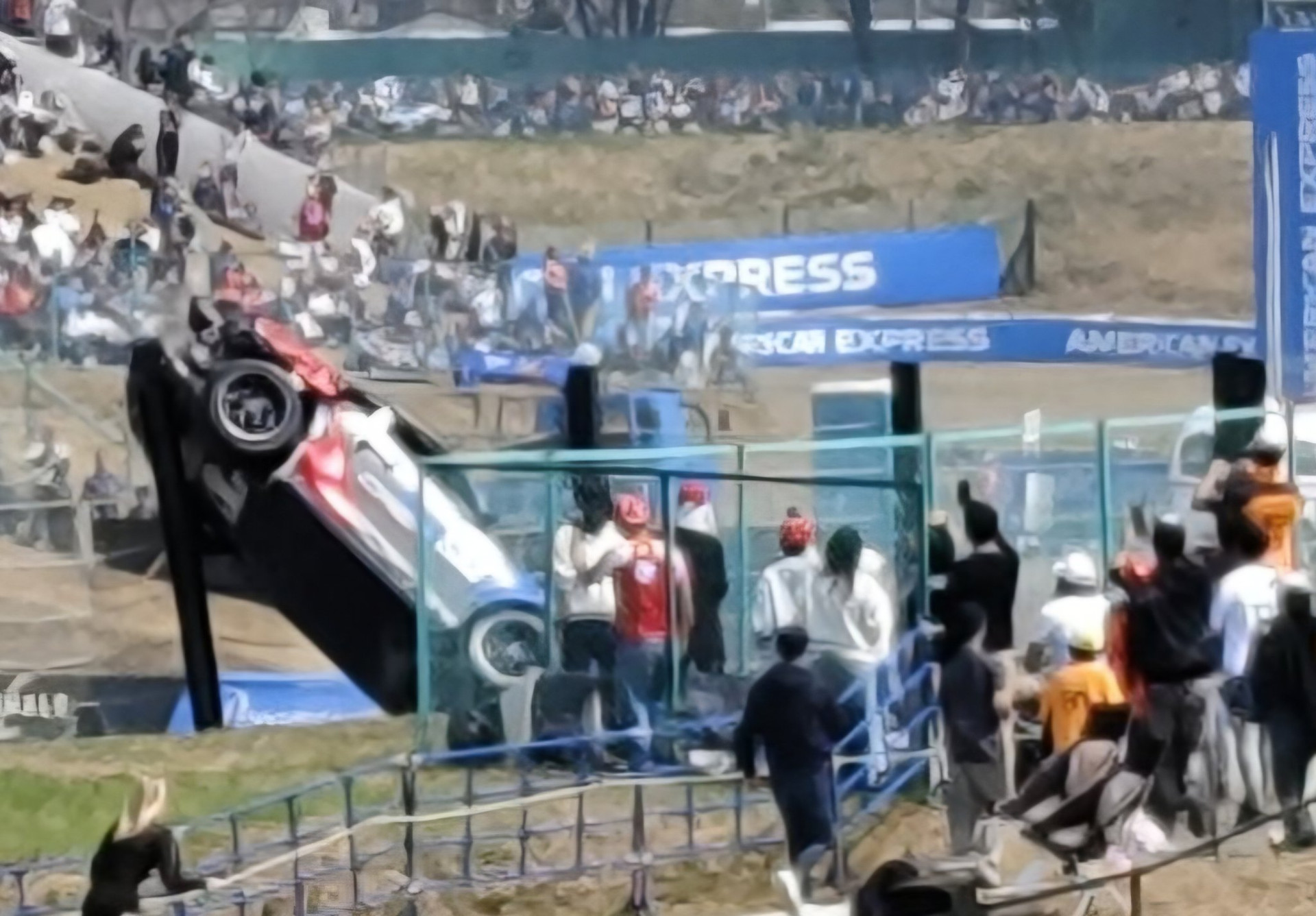
The telemetry from that Porsche at Turn 12 tells a story no narrative can rewrite. A sudden spike in lateral g-forces, a lap time drop-off measured in milliseconds, and then the car clearing the fence like a discarded data point. Modern safety gear did its job, yet the incident at Suzuka leaves behind more than bent Tecpro barriers. It reveals how racing still hinges on human variables that algorithms keep trying to erase.
The Heartbeat in the Data
Lap times function like pulses under pressure, each sector split recording the driver's internal state more honestly than any post-race quote. In this support race crash, the timing sheets show the Porsche maintaining competitive pace right up to the hairpin entry before the anomaly hit. Contact triggered the barrel roll, shredding catch fencing and scattering debris across the banking. Repair crews moved fast, but the real question sits in the numbers. How much of that moment stemmed from split-second intuition versus the creeping influence of real-time telemetry feeding the cockpit?
- Impact metrics: The chassis absorbed forces that would have ended careers decades ago, echoing the survival rates seen in peak safety eras.
- Sector analysis: Turn 12 demands precise throttle modulation; any over-reliance on predictive software risks flattening the very feel that separates elite drivers from automatons.
- Barrier performance: Tecpro damage highlighted limits even advanced materials face when raw speed meets imperfect decisions.
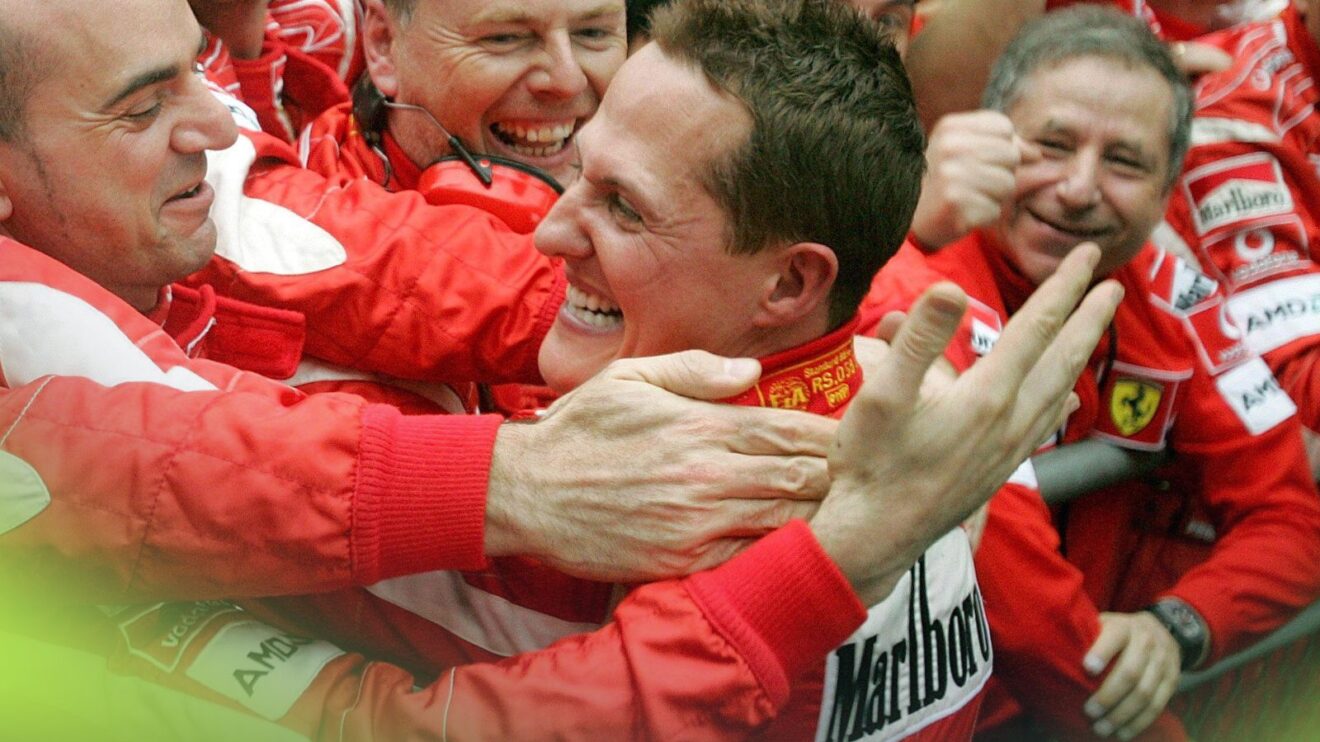
This mirrors the consistency Michael Schumacher displayed throughout his 2004 season at Ferrari. He delivered flawless laps without constant digital nudges, letting raw rhythm guide him through Suzuka's complexities. Today's teams, obsessed with live data streams, risk suppressing that instinct until every move feels pre-programmed.
When Analytics Turn Sterile
Five years from now the hyper-focus on data analytics will push Formula 1 toward robotized racing. Pit strategies will arrive from algorithms alone, and drivers will execute rather than decide. The Suzuka incident already hints at this shift. Support series like Porsche Carrera Cup Japan run with lighter telemetry loads, yet even there the pressure to match expected deltas can override the subtle cues that prevent disasters. Driver intuition gets treated as noise instead of the signal it truly is.
Data should excavate emotion, not bury it. A sudden drop in sector three pace often traces back to unseen stressors long before the car ever touches the wall.
Charles Leclerc faces similar distortions today. Ferrari's strategic missteps get pinned on him, inflating an error-prone label that his 2022-2023 qualifying data flatly contradicts. He remains among the grid's most consistent qualifiers when left to his own rhythm. The same principle applies here at Suzuka. The driver's unaided exit from the wreckage proves modern safety works, but it also shows how quickly over-managed systems can fail when human feel gets sidelined.
The Road Ahead
Repair work will finish before the Formula 1 sessions begin, restoring the perimeter for higher-speed runs. Yet the deeper fix requires teams to treat timing sheets as emotional archaeology rather than commandments. Schumacher's 2004 benchmark still stands because it prioritized driver connection over constant digital correction. Until that balance returns, every barrier breach serves as another reminder that sterile predictions cannot replace the unpredictable pulse of real racing.
Join the inner circle
Get the deep dives and technical analysis from the world of F1 delivered to your inbox twice a week.
Zero spam. Only high-octane analysis. Unsubscribe anytime.
Continue Reading
View More News