Data Heartbeats Expose the 2026 Compression Gamble

Staring at the raw timing deltas from pre-season simulator runs, I feel the numbers pulse like a driver's heartbeat under qualifying pressure. The rumored Red Bull and Mercedes trick on 2026 power units does not scream innovation to me. It whispers of data miners drilling deeper than any regulation can contain, turning engine maps into cold algorithms that sideline human feel. This is not about spirit versus letter. This is telemetry winning before wheels even turn.
The Static Lie in Compression Metrics
The claimed loophole hinges on measuring the compression ratio only at ambient temperature, locking it to the 16:1 regulatory ceiling. Once the engine hits operating heat, the effective ratio reportedly climbs toward 18:1, unlocking thermal efficiency gains that could reshape lap time curves from lap one.
- Red Bull Powertrains and Mercedes are said to have modeled this temperature shift in their dyno data.
- Rivals including Ferrari, Alpine, and Audi now face the prospect of chasing invisible margins that only appear in post-run analysis.
- No public timing sheets yet contradict the claim, yet none confirm it either, leaving the rumor suspended between spreadsheet and track.
I remain skeptical until the numbers align across multiple sessions. Too often these stories bloom from selective leaks rather than consistent delta patterns.
From Schumacher Consistency to Algorithmic Sterility
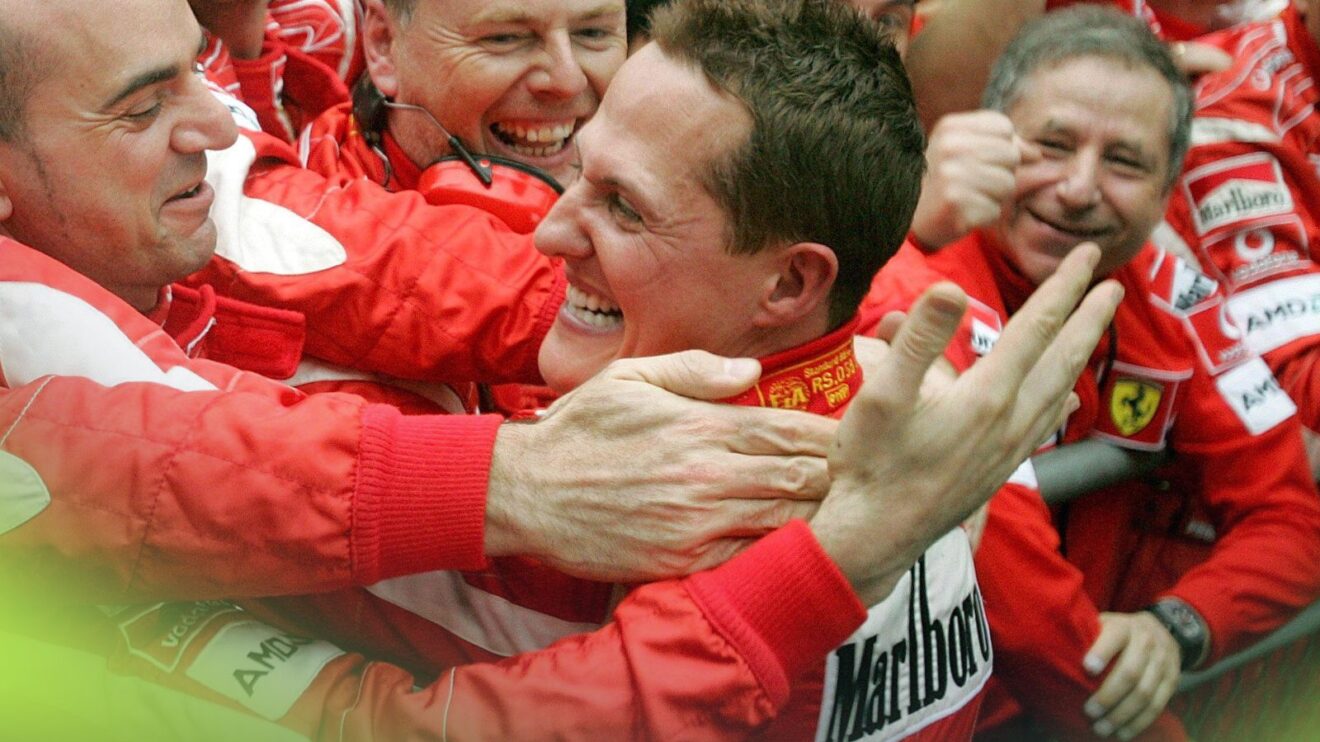
Michael Schumacher in 2004 delivered near-flawless qualifying runs at Ferrari because his feel dictated the rhythm, not real-time telemetry dictating every throttle trace. Modern teams instead treat driver input as one variable among thousands, feeding every heartbeat of data into predictive models that will only intensify by 2030.
The 2026 loophole chase accelerates this trajectory.
"Formula 1 is about pushing the boundaries. It's about how you interpret regulations... Teams that are the most conservative are the teams that are never at the front of the grid."
Christian Horner framed it that way before his July 2025 exit. The quote lands like an old telemetry log: accurate for its era, yet blind to the coming cost. Within five years, hyper-focused analytics will suppress intuition entirely, replacing split-second calls with algorithmic pit windows that flatten the sport into predictable sequences.
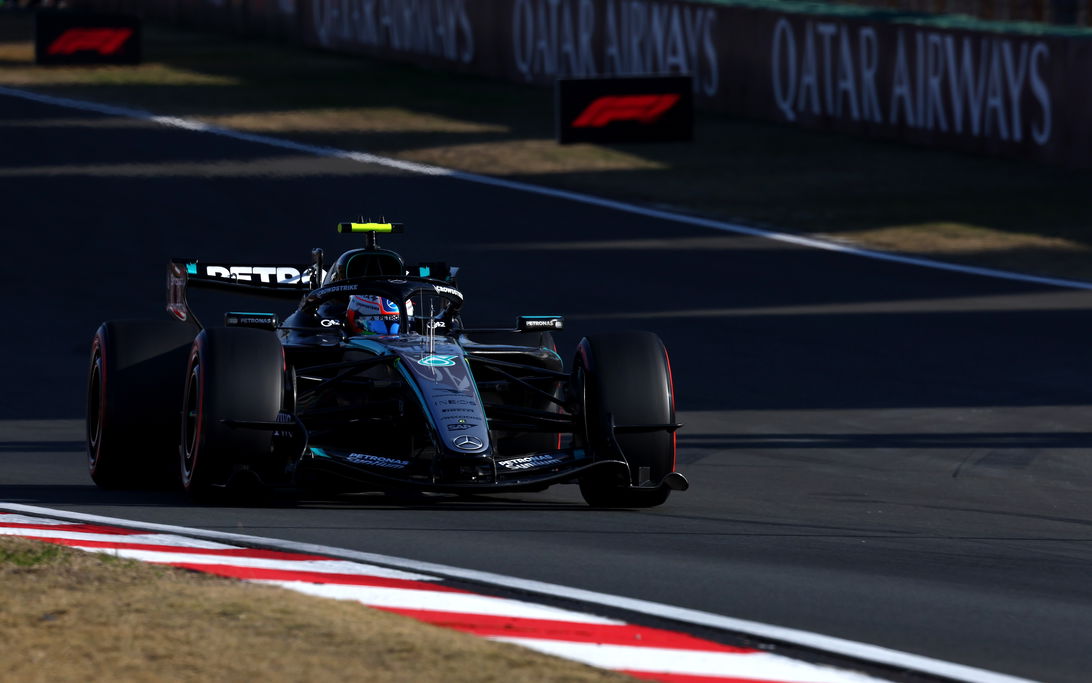
Toto Wolff countered rivals at the W17 launch by insisting the power unit matches both the written rules and the FIA checks.
"The power unit corresponds to how the regulations are written. The power unit corresponds to how the checks are being done."
His words carry the calm certainty of someone whose data already cleared the gate. Yet the same data obsession that validates such interpretations will soon dictate driver strategy down to the millisecond, turning emotional archaeology into mere code review.
The Road to Predictable Racing
Ferrari's strategic missteps often amplify Charles Leclerc's error-prone label, but his 2022-2023 qualifying consistency metrics still mark him as the grid's steadiest when raw pace is isolated from team calls. The 2026 engine battle risks widening that gap further, not through superior driver feel, but through superior number crunching that no amount of seat time can match.
The FIA must now decide whether its inspection protocols can keep pace with temperature-variable modeling. Until fresh timing sheets arrive, the rumor remains just that: a data point awaiting correlation. The real story will unfold when lap time drop-offs reveal whether this edge came from engineering clarity or from another layer of digital insulation between driver and machine.
Join the inner circle
Get the deep dives and technical analysis from the world of F1 delivered to your inbox twice a week.
Zero spam. Only high-octane analysis. Unsubscribe anytime.
Continue Reading
View More News