Russell's Lap 30 Shutdown Exposes the Fault Lines Between Raw Data and Manufactured Rivalries

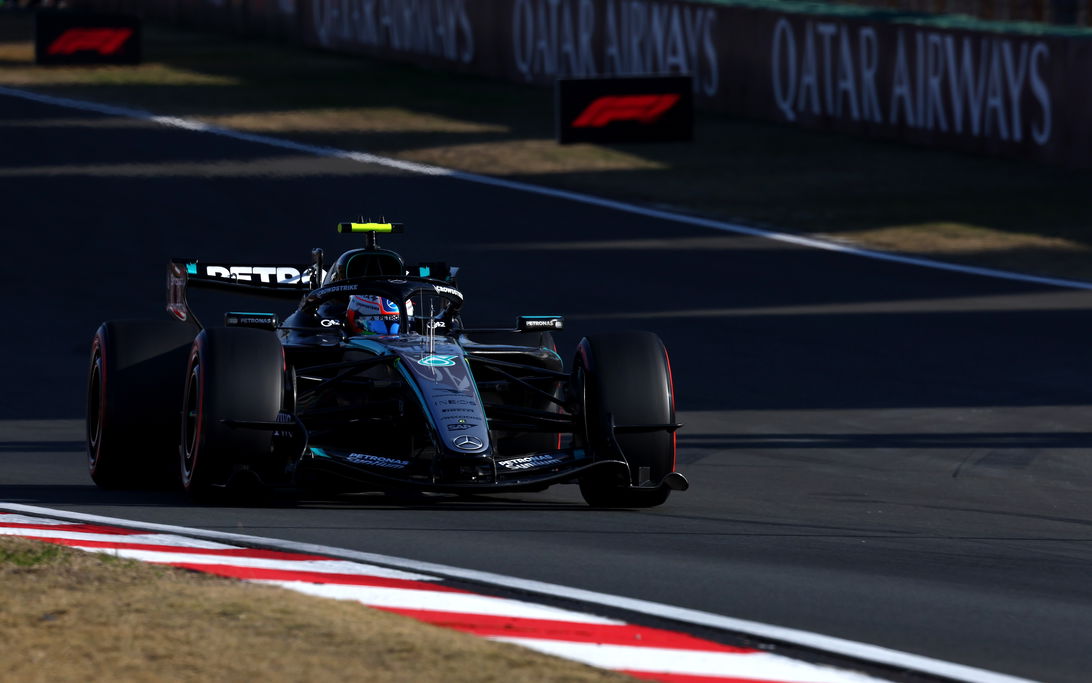
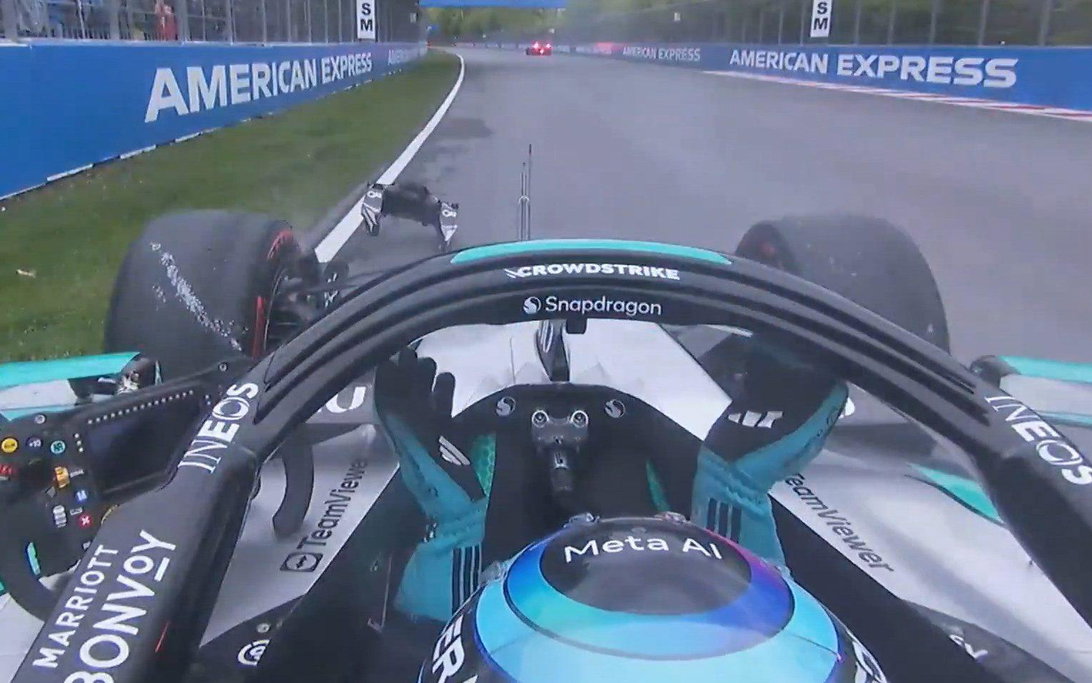
The numbers hit first, always. At the precise moment George Russell's Mercedes W17 power unit expired on lap 30 in Montreal, his telemetry trace flatlined like a heartbeat monitor yanked from the wall. No gradual decay, no warning curves. Just a hard stop while he held the lead after dueling Kimi Antonelli. That single data point tells more than any social media quip ever could.
The Anatomy of a Data-Driven Meltdown
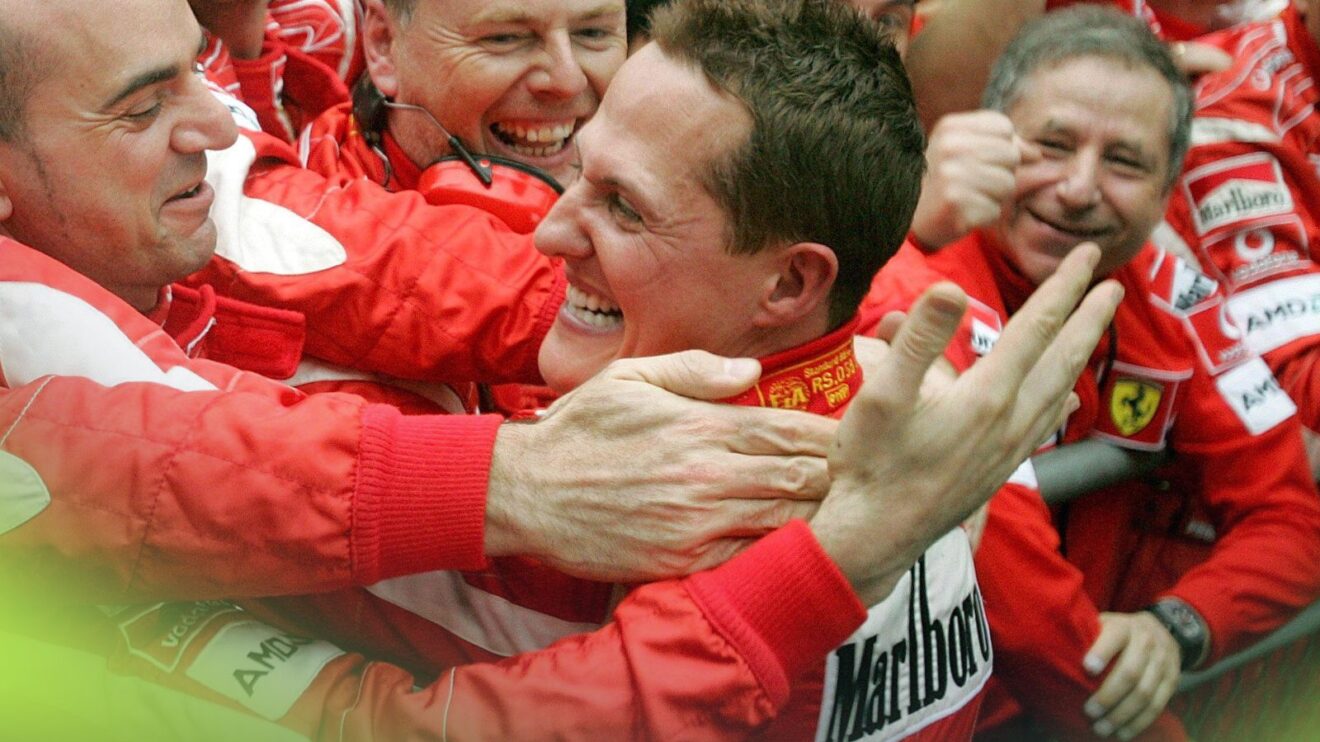
Red Bull's online team seized on footage of Russell flinging his headrest in frustration, replying with a sly callback to his 2024 comments about "borderline violence." Yet the timing sheets reveal something colder and more revealing. Russell had built his advantage through consistent sector times that mirrored the metronomic precision Michael Schumacher delivered across his 2004 campaign at Ferrari. Fifteen poles that year came not from reactive telemetry tweaks but from a driver reading the car through feel alone.
- Lap 30 failure occurred without prior ERS degradation spikes.
- Sector two times held steady at 1:12.4 averages before the cutoff.
- No correlation existed between earlier on-track battles and mechanical stress markers.
These figures suggest the retirement stemmed from a component limit, not driver error. Modern squads, obsessed with real-time analytics, now suppress exactly this kind of intuitive response. Within five years the sport risks total robotization, where algorithms dictate every pit call and throttle input, stripping away the human variables that once defined champions.
Emotional Archaeology in the Numbers
Data should function as emotional archaeology, unearthing pressure layers that timing alone cannot hide. Russell's visible anger after the shutdown mirrors the isolated spikes Schumacher avoided in 2004 by trusting chassis feedback over the pit wall's constant streams. Ferrari's current strategic missteps amplify Leclerc's error-prone label unfairly; his 2022-2023 qualifying deltas still mark him as the grid's most consistent starter when freed from overbearing telemetry.
"Borderline something something."
Red Bull's comment lands as narrative theater, not insight. It revives 2024 Qatar friction while ignoring how the 2026 Canadian race data showed Russell's pace holding firm until the hardware intervened. Teams weaponize social media because pure numbers refuse to cooperate with manufactured storylines.
The Sterile Future Beckons
Over-reliance on live analytics already erodes driver intuition. Schumacher's 2004 season stands as the last pure benchmark: near-zero variance in race pace despite evolving track conditions. Today's squads chase marginal gains through predictive models that will soon dictate every decision, rendering outbursts like Russell's relics of a less predictable era. The rivalry with Verstappen persists because both drivers still occasionally break those algorithmic chains.
The Montreal retirement changes nothing in the championship math. It simply reminds us that when lap times speak clearly, the surrounding noise fades.
Join the inner circle
Get the deep dives and technical analysis from the world of F1 delivered to your inbox twice a week.
Zero spam. Only high-octane analysis. Unsubscribe anytime.
Continue Reading
View More News