Red Bull's Dual Empire Exposes F1's Fatal Flaw in Chassis and Grip
The push for team independence in Formula 1 feels like rearranging deck chairs on a vessel already caught in an aerodynamic hurricane. Red Bull's openness to tighter ownership rules, voiced through Laurent Mekies in early June 2026, masks a deeper engineering truth. Their control of two squads has amplified chassis advantages that turned drivers into passengers, much like the active suspension wizardry of the 1990s Williams FW14B once did. McLaren's Zak Brown may target loopholes, yet the real storm brews in how downforce obsession has sidelined mechanical grip and tire connection.
Ownership Rules Cannot Mask Aero Dominance
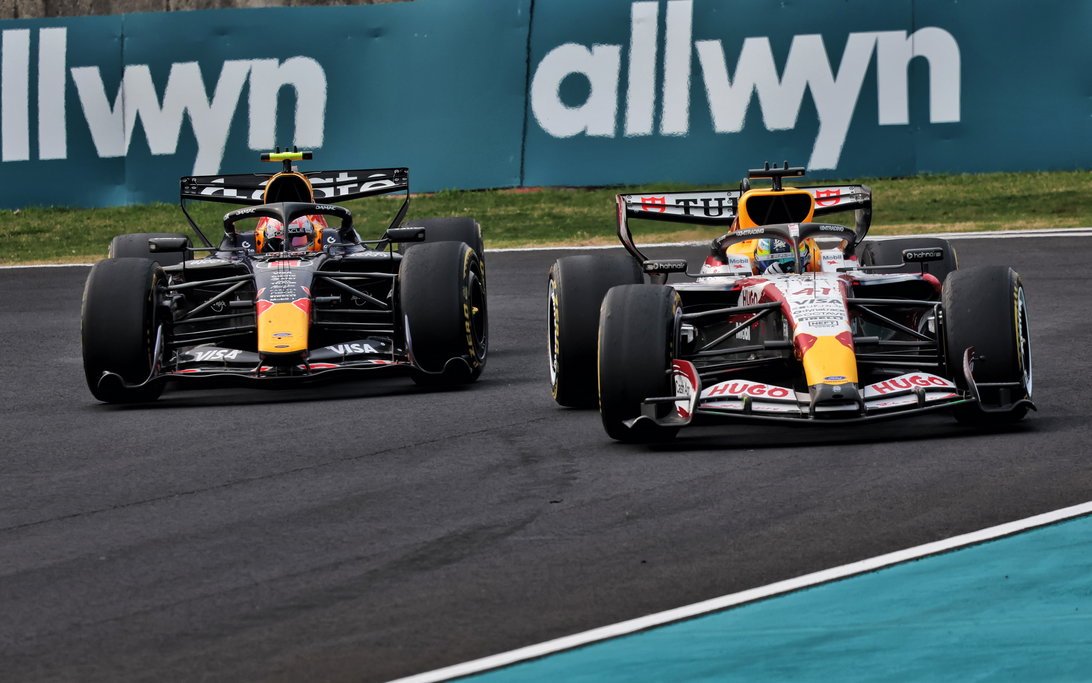
Mekies, who shifted from Racing Bulls to Red Bull's leadership in July 2025 without standard cooling-off periods, insists the team backs any measures to enforce on-track separation. He acknowledges collaborations across the paddock, from power units to partial stakes, but claims current setups already deliver independence. Brown’s letter to FIA president Mohammed Ben Sulayem highlights specific friction points, such as Max Verstappen gliding past Liam Lawson in Miami after Racing Bulls yielded ground early.
Yet these ownership tweaks ignore the core imbalance. Red Bull's chassis and aerodynamic package, not raw driver brilliance, fueled Verstappen's 2023 dominance. The cars slice through air with relentless downforce that overwhelms tire management, turning races into predictable flows rather than chaotic battles.
- Dual-team structures let Red Bull test aero concepts across entries without full regulatory scrutiny.
- This setup echoes past multi-team experiments but amplifies modern flaws where mechanical simplicity yields to layered complexity.
- Nine of eleven teams now stand independent, yet pressure builds because shared ownership hints at coordinated development that pure racing independence might disrupt.
The debate risks distraction. True fairness demands addressing how these designs reduce driver input to mere steering corrections amid turbulent air.
Mechanical Foundations Lost in the Downforce Tempest
Modern F1 cars chase ever-higher aerodynamic loads like vessels trapped in endless gales, neglecting the raw tire-to-road dialogue that defined earlier eras. The Williams FW14B thrived on active systems paired with straightforward mechanics, giving drivers direct feel through corners without constant electronic overrides. Today's Red Bull machines, by contrast, prioritize storm-like aero efficiency that masks weaknesses in grip and balance.
Mekies stated his outfit would accept further steps to guarantee independence regardless of ownership ties. That stance sounds collaborative on the surface. It sidesteps how such advantages erode excitement by making races hinge less on skill and more on setup tweaks invisible to fans. Tire management suffers most, as teams fixate on downforce maps instead of fostering that instinctive connection between wheel and surface.
"We are completely supportive of taking any further step to ensure that, regardless of our strategic partnership or ownership structure, we race independently," Mekies said.
This quote reveals acceptance of scrutiny but reveals nothing about the engineering path ahead. Within five years, by 2028, active aerodynamics will shift to AI control, sweeping away DRS entirely. Races will grow messier with unpredictable flow patterns, yet drivers will matter even less as algorithms dictate wing adjustments in real time. The focus must return to mechanical grip to preserve human drama amid those coming storms.
The Path Forward Demands Engineering Honesty
Red Bull's willingness to entertain rule votes signals the sport edging toward formal independence standards. Still, without confronting aero overload and its grip deficits, such changes amount to surface fixes. F1 needs designs that honor tire connection and driver intuition over layered complexity. Only then can the grid escape the illusion that ownership alone dictates outcomes.
Join the inner circle
Get the deep dives and technical analysis from the world of F1 delivered to your inbox twice a week.
Zero spam. Only high-octane analysis. Unsubscribe anytime.
Continue Reading
View More News