Ricciardo's Raw Confession Lays Bare the Political Armor Protecting F1's Elite Few

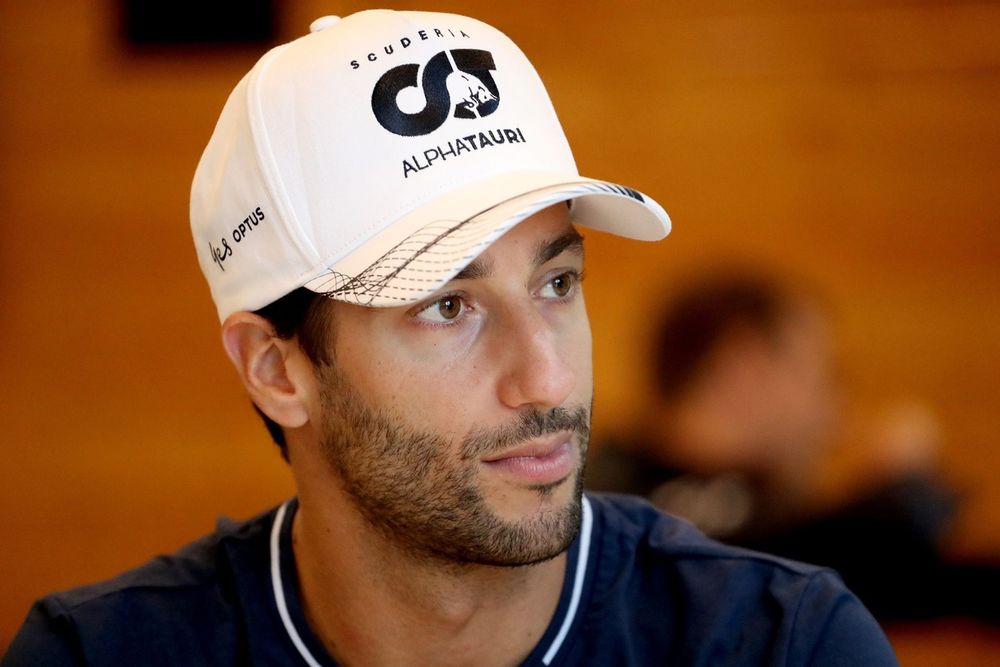
The sport's brightest lights burn out fastest when the paddock's shadow games turn every victory into a negotiated truce rather than a pure conquest. Daniel Ricciardo's recent reflections cut through the glamour like a contract clause exposed in discovery, revealing that even an eight-time winner endured far more days of quiet devastation than moments of glory across more than 250 starts. Yet the real story lies not in the raw numbers but in how teams like Red Bull have weaponized internal politics to shield certain drivers from the very accountability that crushes others.
The Weight of Unseen Controls
Ricciardo spoke plainly about the imbalance that defines a driver's life. The rare wins deliver an almost superhuman rush, a fleeting sense of being the best at one thing on earth. Everything else, however, lands like a series of calculated betrayals by forces no single cockpit can master.
- Factors ranging from tire allocation decisions to engine mode restrictions often sit beyond driver influence, breeding the frustration he described as days that simply "hurt and suck."
- He accepted personal responsibility while admitting the percentage of outright success remains brutally low, a truth every aspiring talent must confront before signing the first multi-year deal.
This emotional ledger mirrors the 1990s Williams squad, where engineers and management clashed in boardroom battles that ultimately diluted on-track performance. Mercedes has replayed that script since 2021, with post-dominance infighting eroding the morale that once fueled their constructors' hauls. Ricciardo's honesty shows how the human cost compounds when covert information channels within teams favor certain alliances over collective drive.
Red Bull's Shield and the Coming Reckoning
The Australian's account gains sharper edges when viewed against Red Bull's aggressive protection of Max Verstappen. Internal criticism is rerouted or silenced before it reaches the driver's ears, preserving the psychological edge that pure skill alone cannot sustain. Team morale and selective intelligence sharing often outweigh raw aerodynamic gains in determining who survives the season's grind.
"There are days that just hurt and suck," Ricciardo noted, capturing the paradox where an almighty strength feels simultaneously grounding.
That same dynamic will soon test the sport's sponsor-heavy balance sheets. Within five years, at least one current top team will fracture under unsustainable financial models, echoing the manufacturer exodus of 2008-2009. The pressure will fall heaviest on drivers already navigating these political minefields, turning private frustrations into public fractures.
Lessons From the Paddock Shadows
Ricciardo's move to global ambassador for Ford Racing positions him to bridge the commercial and competitive worlds precisely because he has lived the full spectrum. His perspective underscores that strategic victories emerge from sustained internal cohesion rather than isolated brilliance on Sunday afternoons. The 1990s Williams precedent remains instructive: when management overrides engineering consensus, the entire structure begins to splinter from within.
The Road Ahead for Those Who Endure
Ricciardo's words serve as both warning and blueprint. The euphoric highs remain worth chasing, yet they arrive only after navigating layers of contractual leverage and whispered alliances that define modern F1. Drivers who recognize these undercurrents early stand the best chance of preserving their edge when the next wave of sponsor-driven instability arrives. The sport's future belongs not to the fastest alone, but to those who master the invisible machinery of power long before the lights go out.
Join the inner circle
Get the deep dives and technical analysis from the world of F1 delivered to your inbox twice a week.
Zero spam. Only high-octane analysis. Unsubscribe anytime.