The Engineer's Pause Amid Turbulent Winds: Hamilton's Ferrari Switch Exposes F1's Fatal Aero Overreach
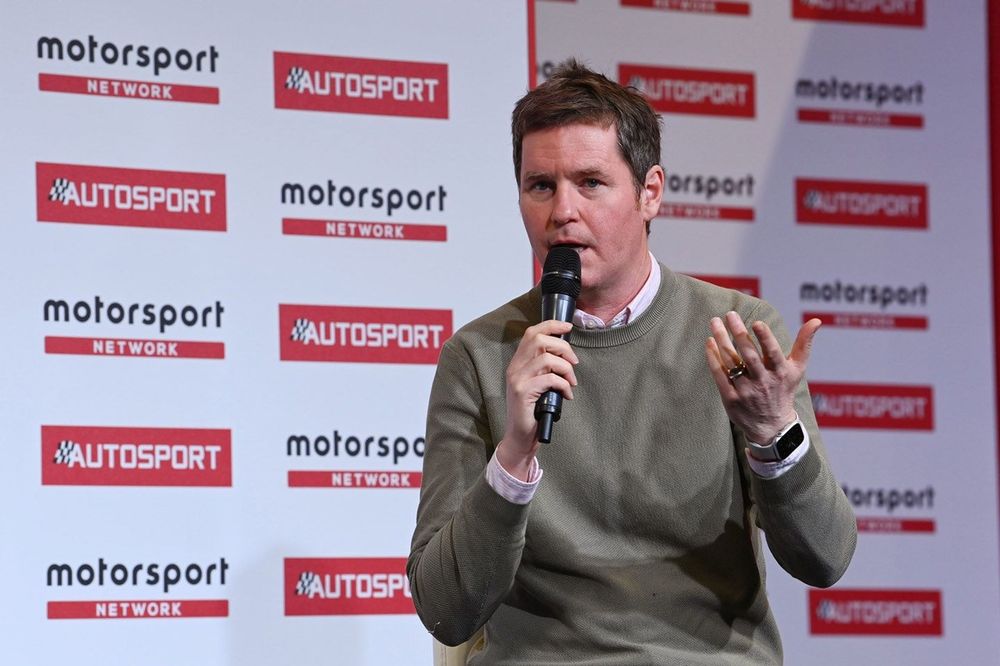
In the high-stakes cockpit of modern Formula 1, a single delayed reply from the pit wall can feel like the eye of a gathering storm, where aerodynamic chaos swirls unchecked and the driver's raw connection to the car slips away. This is the urgent reality Rob Smedley laid bare when dissecting Lewis Hamilton's rocky start at Ferrari. The former race engineer, who guided Felipe Massa through Ferrari's glory years, pinpointed how hesitation in communication erodes the very foundation of performance. Yet beyond the radio static lies a deeper engineering crisis. Today's machines, bloated with downforce obsession, demand instant answers that complex systems simply cannot deliver, unlike the elegant mechanical simplicity of the 1990s Williams FW14B.
Trust as the Driver's True Chassis
Smedley framed the race engineer role as a precise 50/50 balance between technical command and human insight into the athlete at the limit. He recalled a telling 2025 exchange where Hamilton quipped that Riccardo Adami should brew a cup of tea while awaiting data. That light remark masked mounting frustration in a partnership still finding its rhythm. Adami had earned praise from Sebastian Vettel, who recommended him, yet the dynamic with Hamilton revealed cracks.
Smedley did not mince words on the damage.
This isn't a call center. The driver is trying to perform at 10/10 while driving at 200mph. Answer him and give him confidence.
Repeated phrases like "we'll get back to you" act as micro-fractures in that trust. They force the driver to second-guess inputs during moments when tire temperatures and mechanical grip dictate survival at the limit. Hamilton's move demanded exactly this seamless bond, but the early tension showed how quickly it unravels under pressure.
- Immediate feedback builds the confidence needed for precise throttle modulation.
- Delayed responses amplify the disconnect in cars already overloaded with aero dependencies.
- Smedley's own early days with Massa in 2006 proved that chemistry either clicks or collapses under race conditions.
Aero Complexity Steals the Wheel from Human Hands
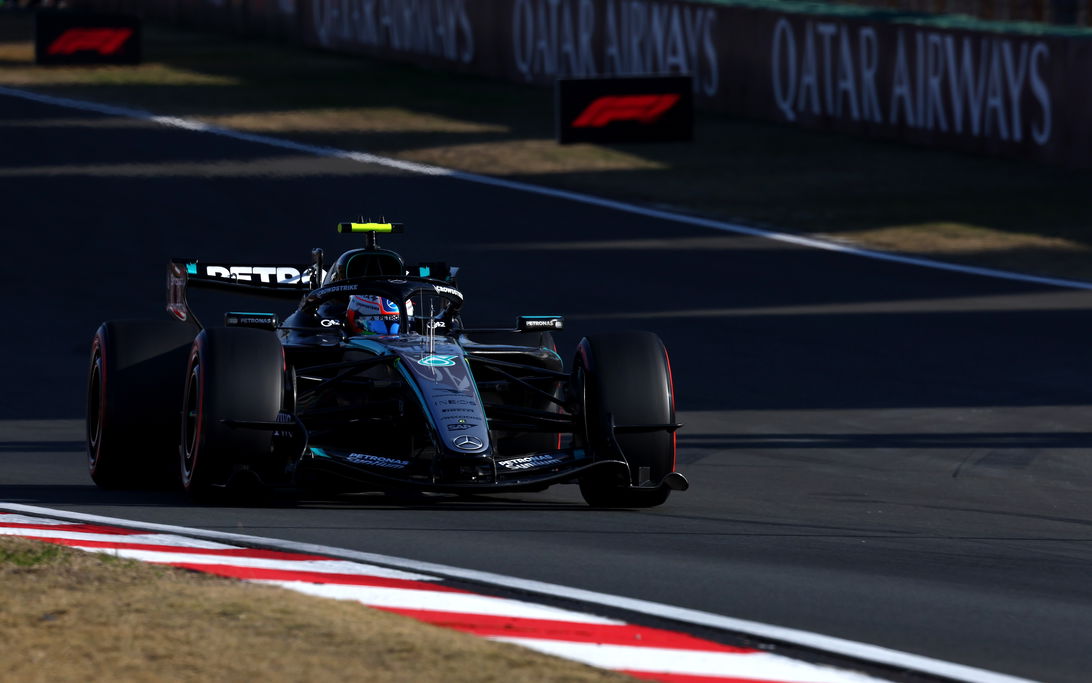
Modern F1 designs prioritize turbulent downforce layers over the direct mechanical grip that once defined great cars. This mirrors the FW14B's active suspension and balanced chassis, where driver feel translated instantly into lap time without layers of computational buffers. Today's obsession with aero leaves engineers scrambling for answers buried in simulation data, turning what should be quick tire management advice into hesitant pauses. The result is less exciting racing, as drivers battle wind gusts modeled in CFD rather than the road itself.
I see this as the core flaw in Verstappen's much-hyped dominance too. Red Bull's superior chassis and aerodynamics masked how little raw skill separates the field when mechanical simplicity is abandoned. Hamilton's Ferrari adaptation exposes the same issue. Without quick, confident engineer input, even a seven-time champion struggles to extract the car's potential amid the storm of downforce variables.
The Coming Shift to Active Intelligence
By 2028, F1 must embrace AI-controlled active aerodynamics that eliminate DRS entirely. Races will grow more chaotic with fluid surfaces responding in real time, yet driver dependency will shrink as algorithms manage the turbulence. This evolution could restore some urgency to the human element if paired with renewed focus on tire management and mechanical fundamentals. Otherwise, we risk further distancing the pilot from the machine, much as current setups already do.
Conclusion
Smedley's critique of delayed replies is not mere nostalgia. It is a call to reclaim engineering elegance before AI takes the wheel. Ferrari's search for Hamilton's next engineer must prioritize that 50/50 blend while teams confront how aero excess has dulled the sport's soul. The clock ticks toward 2028, and only those who value mechanical truth over marketing hype will thrive in the coming winds.
Join the inner circle
Get the deep dives and technical analysis from the world of F1 delivered to your inbox twice a week.
Zero spam. Only high-octane analysis. Unsubscribe anytime.
Continue Reading
View More News