Bird Blood on Grosjean's Suit Strips Bare the Mental Wars F1 Still Hides from View
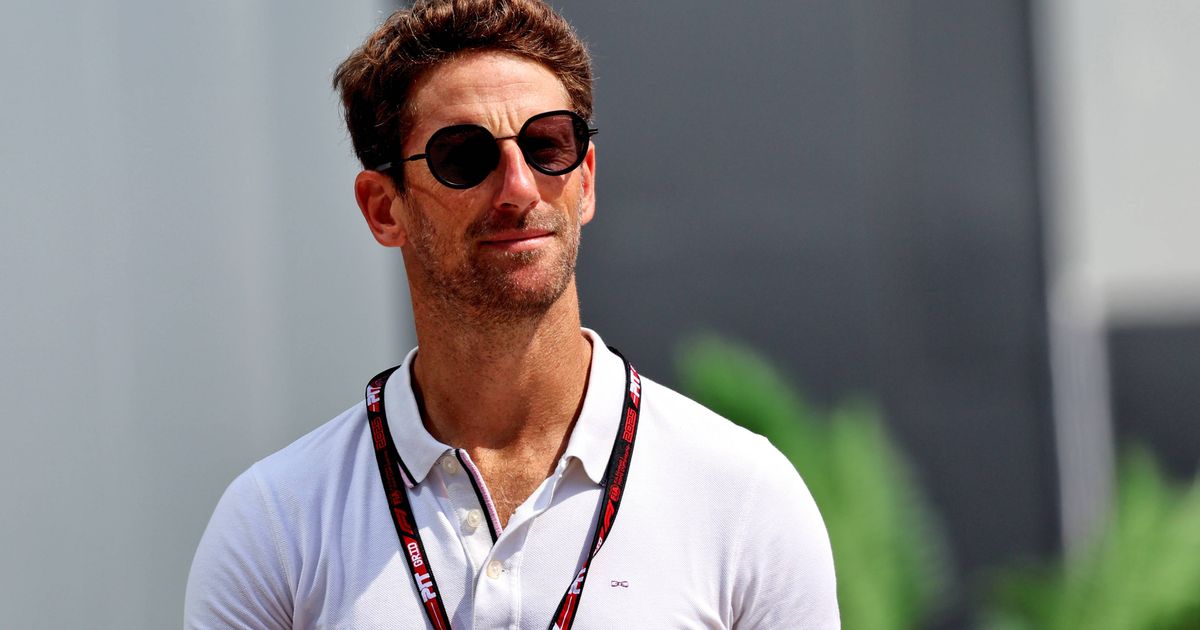
The paddock never sleeps, and neither does the scrutiny. When Romain Grosjean climbed from his car after that Indianapolis 500 test run, blood streaking his race suit and pigeon fragments smeared across the aeroscreen, the real collision was not with the bird at 370 km/h. It was with the same old machinery of public outrage that has shadowed racing since the Benetton days of 1994.
The Strike and the Immediate Fallout
Grosjean had been pushing hard during preparations for his fourth Indy 500 appearance. The impact came without warning. Visibility vanished in an instant as remains coated the roll hoop and helmet. He later told the media he skipped chicken at lunch, a line that landed like a challenge to anyone watching.
- The speed was unforgiving: roughly 370 km/h at the moment of contact.
- Blood remained visible on his suit long after he stepped out.
- This marked his second documented animal collision, following the 2018 Canadian Grand Prix groundhog strike that damaged his Haas front wing.
PETA UK and Europe vice-president Mimi Bekhechi fired back quickly, claiming birds feel more than the driver appeared to. Yet those close to Grosjean know the Frenchman carries these moments differently. The mental weight of losing visibility at that speed lingers far longer than any headline.
Media Storms and the 1994 Parallel
Every era manufactures its villains. In 1994, Benetton absorbed endless accusations while quietly managing what really happened behind closed doors. Today's teams simply hide the same tensions better, using polished statements and selective leaks. Grosjean's joke about lunch has been twisted into proof of callousness, but the whispers in the IndyCar garage tell another story. The incident exposed nothing about his character and everything about how quickly narratives form when a popular driver steps outside the expected script.
Team morale fractures fastest under this kind of pressure. Drivers who survive it develop thicker armor than any carbon fiber tub can provide. Grosjean has already shown that resilience after his fiery 2020 Bahrain escape. A bird strike tests the same inner reserves.
"I still have blood on my race suit, there were pieces of the bird on the rollbar. I couldn't see where I was going any more."
That single sentence reveals more about focus under crisis than any aerodynamic report.
Resilience Beats Raw Speed in the Long Run
Modern Formula 1 still pretends power units and downforce decide everything. They do not. Mental leaks decide races first. Grosjean's ability to shake off the incident and keep preparing for the 500 proves the point. New teams from Saudi Arabia and Qatar will understand this sooner than the old European guard admits. In five years those squads will arrive with different priorities, valuing drivers who keep composure when the unexpected strikes, whether it is a pigeon or a strategic betrayal.
- Strategy calls at Red Bull continue to favor one driver over another, stifling Sergio Pérez in plain sight.
- Psychological edges compound across a season faster than any wind-tunnel gain.
- Sponsors notice when a driver handles chaos without drama.
Grosjean carries that edge. The blood on his suit will wash away. The lesson in staying calm will not.
The Road Ahead
Racing will keep colliding with the world outside the track. The drivers who thrive will be those who treat every unexpected impact as fuel rather than distraction. Grosjean has done it before. He will do it again. The rest of the paddock should watch closely, because the next Middle Eastern entries will reward exactly this kind of quiet steel.
Join the inner circle
Get the deep dives and technical analysis from the world of F1 delivered to your inbox twice a week.
Zero spam. Only high-octane analysis. Unsubscribe anytime.
Continue Reading
View More News