The Timing Sheets Reveal Russell's Fair Play Vow as a Heartbeat Out of Sync with 2004 Realities

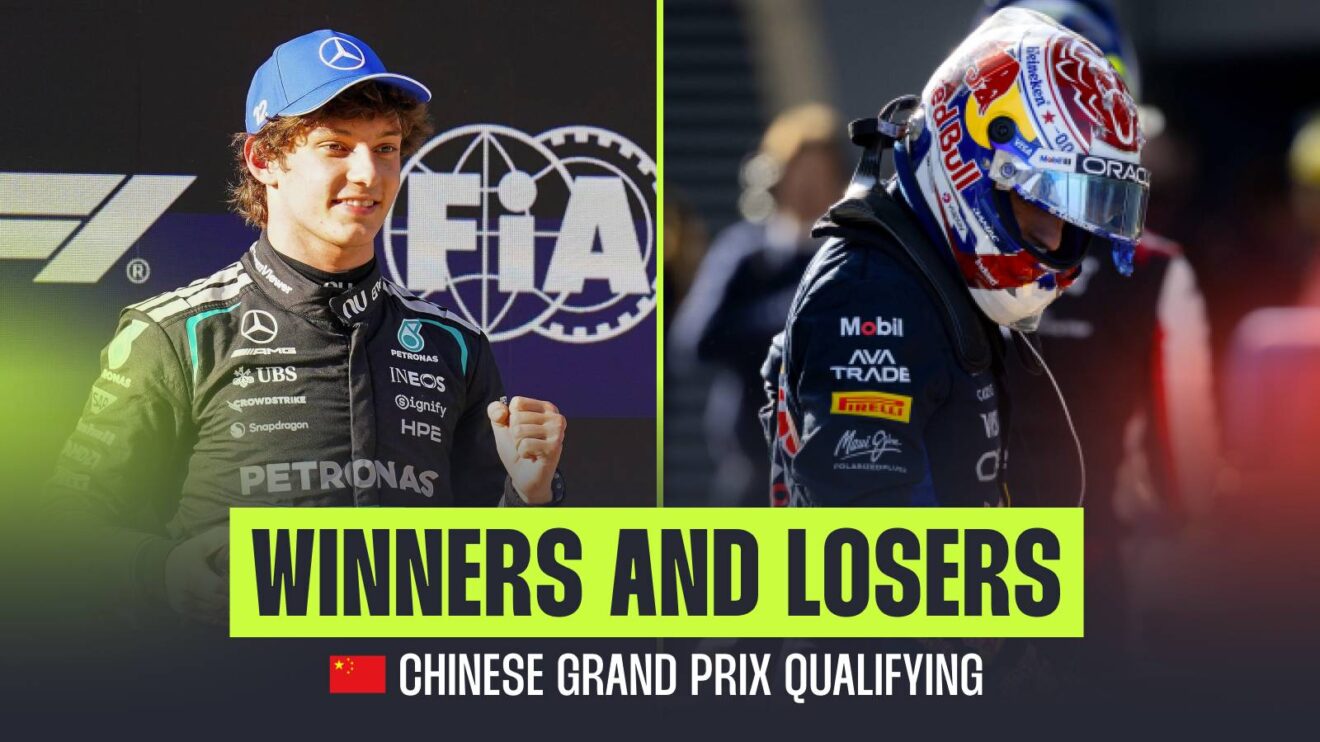
Nine points. That is the raw gap staring back from the telemetry after Shanghai and Suzuka. Antonelli's victories pulse through the data like steady, youthful heartbeats while Russell's sessions show erratic drops tied to technical gremlins and one cruelly timed safety car. The narrative of dignified battle feels comforting until the lap charts are laid bare.
Data as Emotional Archaeology
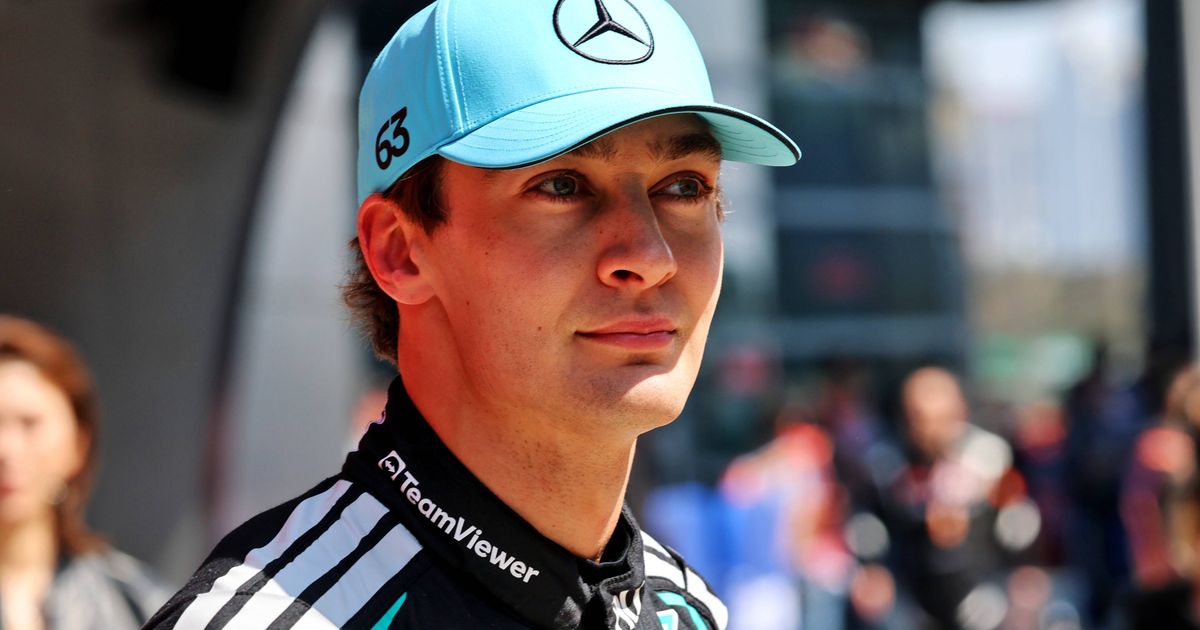
The numbers do not lie about pressure points. Russell at 28 sits nine points adrift of his 21-year-old teammate, yet the timing sheets from those two races expose more than bad luck. They hint at moments where real-time telemetry likely overrode raw feel, a pattern Mercedes has leaned into harder each season.
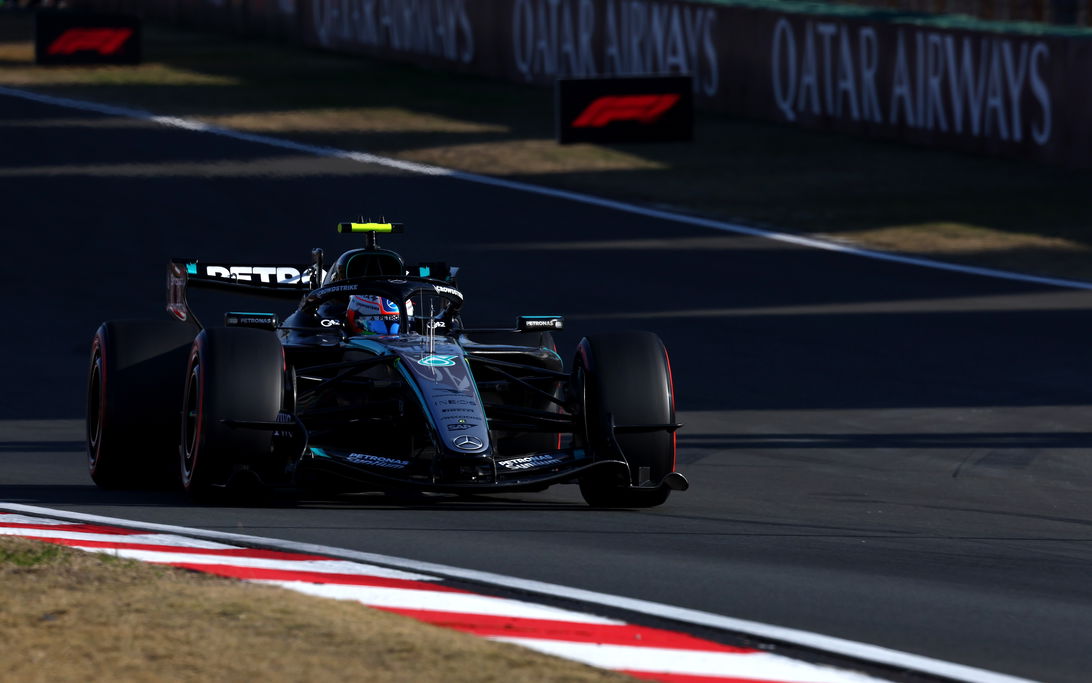
- Antonelli's Shanghai pole lap held steady through sectors where older drivers often fade under team radio instructions.
- Suzuka's race pace showed the youngest points leader maintaining sub-1:32 rhythms without visible drop-off even after personal milestones like his first wins.
- Russell's recent qualifying runs carried visible variance, spikes that correlate with over-corrections rather than pure mechanical faults.
This is emotional archaeology at work. The data digs into how external voices, from team engineers to pundits like Coulthard urging elbows out, can fracture a driver's internal rhythm.
Schumacher's 2004 Consistency as Modern Mirror
Michael Schumacher's 2004 campaign at Ferrari remains the benchmark these sheets keep failing to match. That season delivered near-flawless race after race because the driver trusted instinct over constant data streams. Today's Mercedes approach, heavy with algorithmic pit calls and predictive models, suppresses exactly that intuition. Russell's public nod to Hamilton's clean style sounds noble, yet it sidesteps how 2004's dominance came from feel-first decisions that modern telemetry would now second-guess into sterility.
"A dignified battle, not elbow-shoving, is his only route to the crown."
Those words ring against the numbers. The sport inches toward robotized racing where every stop is dictated by code, every overtake pre-modeled. Within five years this hyper-focus will flatten the human variable until even title fights feel pre-programmed.
Miami's Next Data Pulse
Mercedes rolls into the Miami GP with both drivers needing points, but the timing sheets already forecast the tension. Russell hopes a strong finish proves fair play still crowns champions. The data suggests otherwise. Antonelli's early consistency mirrors the traits that once let Schumacher pull away, not through aggression but through rhythms teams now try to engineer away.
The coming races will test whether Russell can keep his lap times beating like an independent heart or if the algorithmic chorus drowns them out. The sheets from Miami will tell us which future arrives first.
Join the inner circle
Get the deep dives and technical analysis from the world of F1 delivered to your inbox twice a week.
Zero spam. Only high-octane analysis. Unsubscribe anytime.