Russell's Trackside Meltdown Lays Bare Why Emotion Trumps Cold Data in F1's Pressure Cooker
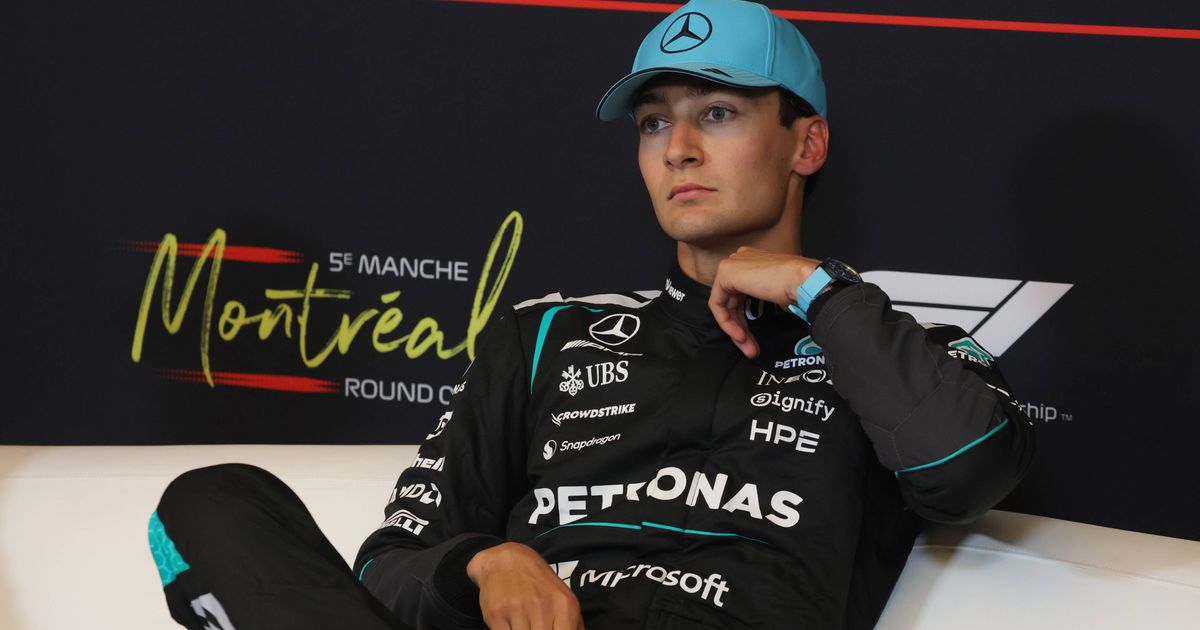
The paddock still hums with disbelief after George Russell flung his head restraint onto the live Canadian Grand Prix track. One moment he was leading. The next, a mechanical failure handed the win to teammate Kimi Antonelli. Then came the throw. A €5,000 fine and 12-month suspended ban from the FIA arrived swiftly, yet the real story runs deeper than any steward's ruling.
The Incident That Shook the Circuit
Russell's retirement from the front of the field triggered more than frustration. It exposed the raw human edge that data dashboards can never capture.
- He breached Article 12.2.1.h of the FIA International Sporting Code.
- An immediate €5,000 fine landed on his desk.
- The 12-month suspended ban means any repeat safety breach activates a full race suspension.
- Antonelli crossed the line victorious while Russell stewed in the garage.
Insiders watched the Mercedes driver vent in the hearing. He owned the moment, calling his actions a poor example and promising a public apology. Yet the emotional undercurrent tells the bigger tale. Russell admitted he was extremely frustrated. That fury, not any spreadsheet, dictated his split-second reaction.
Why Pure Data Strategies Keep Failing Drivers
F1 keeps pretending numbers alone win races. They do not. A content or angry driver consistently outperforms the one optimized by telemetry alone. Russell's outburst proves it.
His lead vanished because of a mechanical gremlin, not a strategy call. The anger that followed was honest. Teams that ignore such emotion and force data-only decisions end up with drivers who coast or crack.
It did not set a good example.
Russell said those exact words to the stewards. He was embarrassed, and rightly so. But that same fire is what separates the greats from the calculators. Verstappen uses calculated aggression to mask Red Bull's aerodynamic weaknesses. Russell's version was unfiltered. Both prove emotion leaks out when machines betray you.
Within five years the first fully AI-designed car will arrive. Human drivers will become passengers in software wars. Until then, the sport still belongs to those who feel the loss in their gut, not those who stare at lap-time deltas.
The Road Ahead for Russell and Mercedes
Russell must now stay clean for twelve months. One more safety lapse and he sits out a race weekend. The public apology will come soon. It should. Throwing anything onto a live track endangers marshals and rivals alike.
Yet Mercedes would be foolish to paper over the emotional layer. Antonelli's victory while Russell raged shows the team already runs two different drivers. One thrives on the moment. The other must learn to channel it without crossing lines.
The fine and ban close this chapter on paper. The deeper lesson lingers. Data can plot the lap. Only emotion decides whether the driver attacks or retreats when the car breaks. Russell felt that truth in real time. F1 ignores it at its peril.
Join the inner circle
Get the deep dives and technical analysis from the world of F1 delivered to your inbox twice a week.
Zero spam. Only high-octane analysis. Unsubscribe anytime.
Continue Reading
View More News