The Scales of Failure: Williams' Overweight Numbers Expose F1's Slide Toward Sterile Algorithms

The timing sheets from December already whispered the verdict in cold, unforgiving decimals. Williams' new chassis tipped the scales far beyond the expected threshold, a heartbeat of lap time data that refused to align with any optimistic narrative of a 2026 revival. This is not mere misfortune but the predictable outcome when teams prioritize telemetry dashboards over the raw feel that once defined champions.
The December Data That Foretold Disaster
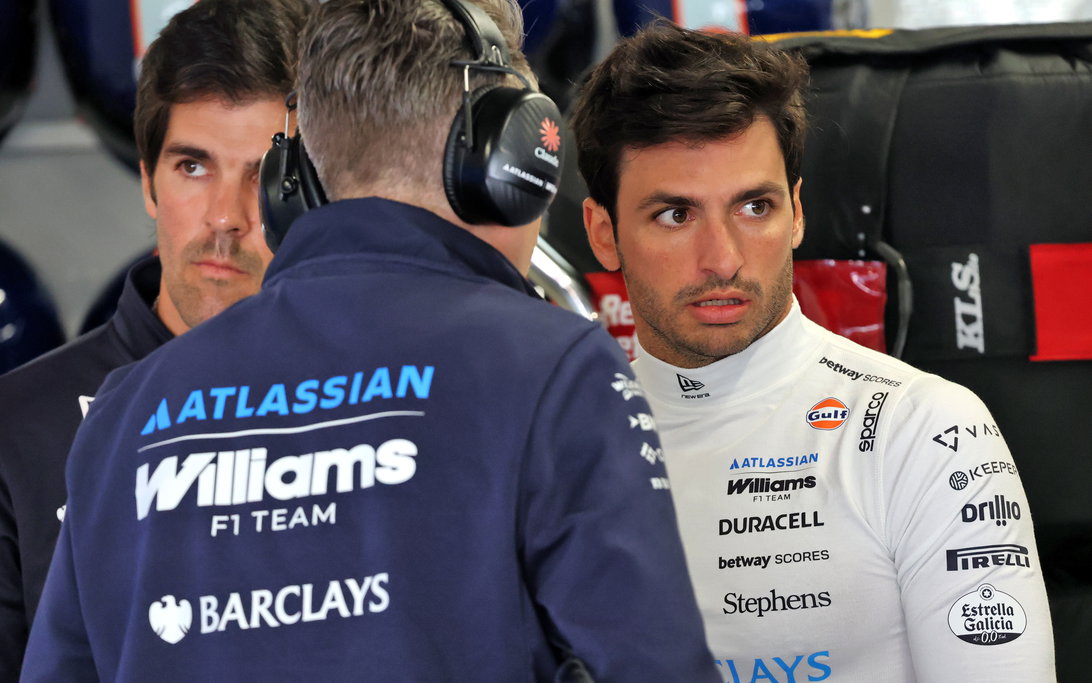
Carlos Sainz sensed the fracture months before the first race, and the numbers confirm every word of his unease. Early chassis measurements revealed an excess mass that compromised aerodynamic efficiency and accelerated tire degradation across every simulated stint.
- The car skipped the opening shakedown entirely, the first such miss for the team in recent memory.
- Overweight figures directly eroded downforce potential, turning what should have been a regulation reset into a points desert.
- After three events, Williams lingers ninth in the Constructors' standings, Sainz alone scraping two points in China while his teammate remains scoreless.
These are not abstract setbacks. They represent lap time drop-offs that mirror the mounting internal pressure, each tenth lost echoing the emotional weight on drivers forced to chase algorithmic targets rather than trust their instincts. Sainz put it plainly in his post-race remarks.
It is no secret it has been tough. I could already smell it coming in December. The overweight numbers did not look promising.
The data here functions as emotional archaeology, unearthing the quiet strain behind every compromised qualifying lap. Modern telemetry floods the garage with real-time corrections, yet it cannot mask the fundamental mismatch between machine and human response.
Schumacher's 2004 Blueprint Against Modern Over-Reliance
Compare this to Michael Schumacher's near-flawless 2004 campaign at Ferrari, where consistency emerged from driver feel refined by minimal interference rather than constant data overrides. Schumacher posted qualifying margins that held steady across vastly different track conditions, his lap deltas reading like a metronome because the team trusted his input over predictive models. Williams today faces the opposite trap.
Engineers now chase weight reduction ahead of the next test block, but the deeper issue lies in how hyper-focused analytics suppress the very intuition that once turned deficits into comebacks. Within five years this trajectory points toward robotized racing, where pit calls and setup tweaks arrive pre-scripted from cloud algorithms, draining the sport of its unpredictable pulse. Sainz's resilience talk hints at the human cost. When every decision funnels through dashboards, the driver becomes a passenger executing code instead of shaping outcomes through feel.
- Bullet-point telemetry alerts replace seat-of-the-pants feedback on tire wear.
- Strategy rooms favor probability models over the split-second calls that defined past midfield surges.
- The result leaves teams like Williams chasing fixes that numbers alone cannot accelerate.
Charles Leclerc's own story at Ferrari illustrates the same distortion. His 2022-2023 qualifying data showed elite consistency when freed from strategic misfires, yet public narratives amplify errors that trace back to overzealous real-time interventions. Williams risks the same cycle unless it rebalances data with driver voice.
The Road Back Demands More Than Weight Loss
Engineers promise component redesigns to shed mass and restore aero balance. Yet true recovery requires rejecting the sterile path where algorithms dictate every heartbeat of a lap. If Williams treats the current deficit as a prompt to rediscover driver-led development, it could claw back midfield ground by midseason. Otherwise the timing sheets will keep telling the same story of predictable decline, one overweight decimal at a time.
Join the inner circle
Get the deep dives and technical analysis from the world of F1 delivered to your inbox twice a week.
Zero spam. Only high-octane analysis. Unsubscribe anytime.
Continue Reading
View More News