Data's Ghost in the Machine: Williams' Weight Woes Mask a Deeper Telemetry Trap

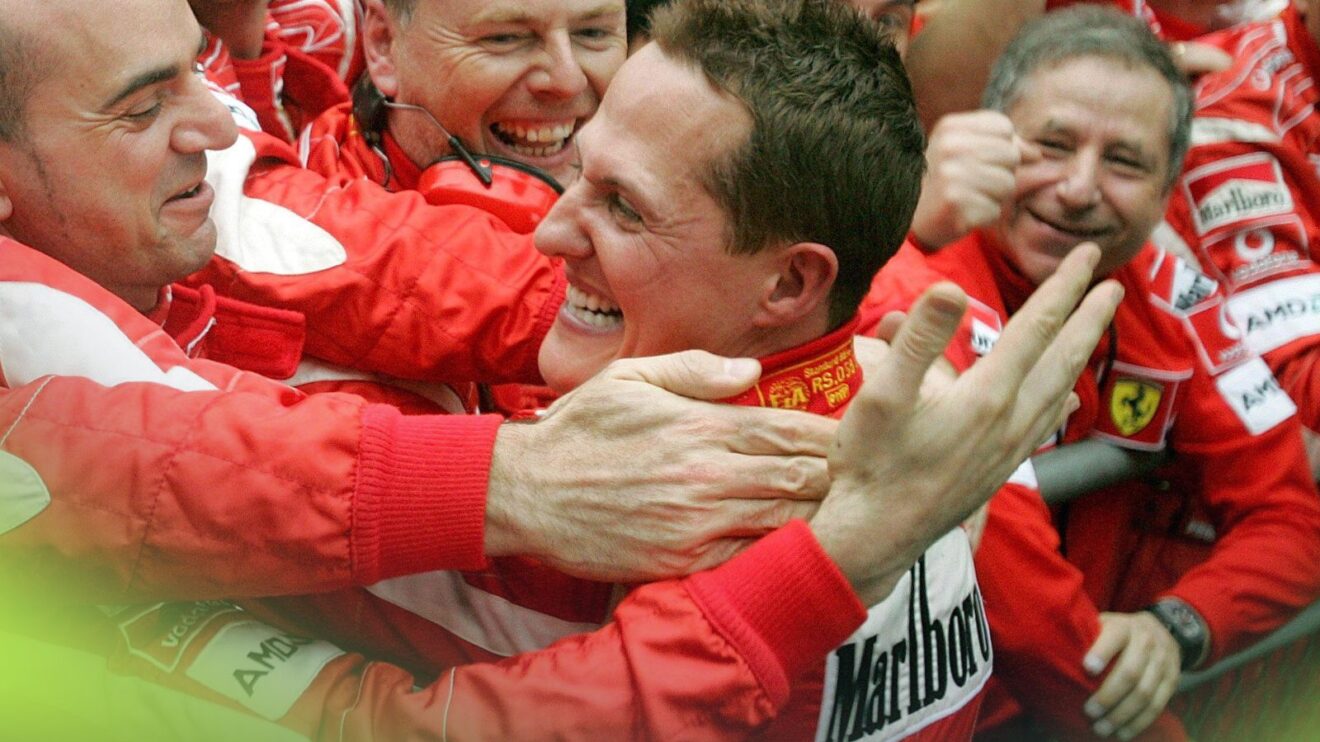
The timing sheets from China do not lie. They pulse with the same flat, lifeless rhythm that haunted Ferrari's 2004 dominance, where Michael Schumacher's lap times never wavered because the car and driver still spoke the same language. Williams' FW48, by contrast, shows a chassis whose heartbeat drops off mid-sector, independent of any scale reading. Sainz's warnings cut through the noise, but the numbers demand we look past the obvious kilograms.
The Numbers Demand More Than a Diet
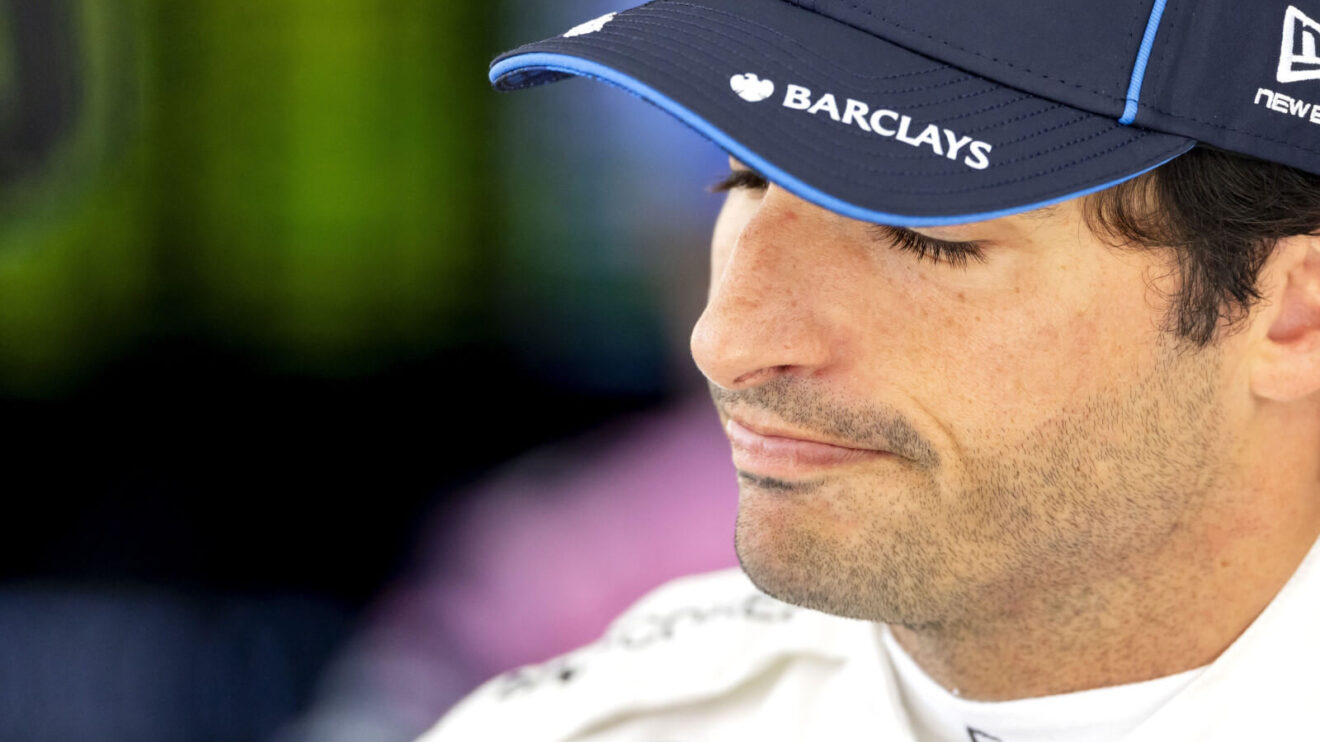
Sainz arrived at Williams expecting to build on 2024's faint promise, yet the early 2025 data reveals a car bleeding pace where it should be strongest. The Mercedes power unit clocks P1 in every session, a fact the Spaniard repeats without hesitation. That leaves the chassis and aero as the true culprits, a reality the weight-reduction program alone cannot fix.
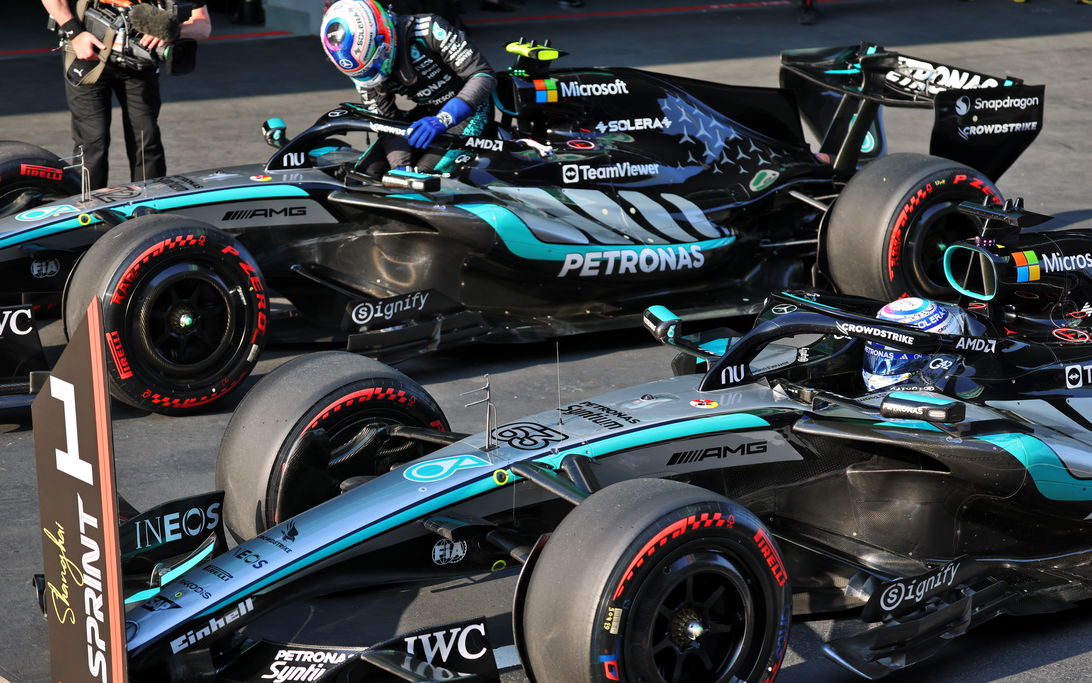
- Double Q1 exits in both Sprint and Grand Prix qualifying at China expose sectors where the car loses 0.4 seconds to midfield rivals on corner exit.
- Limited running in Australia left Sainz 15th, with telemetry showing inconsistent tire warm-up that no amount of pre-season simulation predicted.
- Missing the opening shakedown test placed the team behind on baseline correlation, turning every subsequent session into reactive guesswork.
These figures tell a story of fundamental aerodynamic shortfall, not mere ballast. Reducing weight may lower the absolute lap time ceiling, but it will not restore the progressive grip the car loses after three laps. The timing deltas remain stubborn, echoing the same over-reliance on real-time telemetry that modern teams use to override driver feel.
When Algorithms Silence the Driver's Pulse
Sainz calls for big steps in performance, and the data backs him. The FW48's sector-three drop-offs correlate too cleanly with steering-angle inputs that telemetry teams now second-guess in the garage. This is the creeping sterility I warned about: within five years, hyper-focused analytics will dictate pit windows and throttle maps before the driver even senses degradation. Schumacher's 2004 season stands as rebuke; his consistency came from trusting the wheel, not from a screen dictating micro-adjustments.
"The car needs big steps in performance to show its true potential."
Sainz's words land as both diagnosis and quiet protest. While he hunts little wins in the short term, the European races will test whether Williams can deliver upgrades that respect the driver's intuition rather than bury it under more data layers. Otherwise the sport edges closer to the predictable, robotized future where emotional archaeology of lap-time variance becomes impossible.
The Road Ahead Through the European Window
Williams must treat the coming races as calibration sessions, not damage limitation. The promised development rate will be measured not in kilograms shed but in restored sector consistency. If the team clings to telemetry as gospel while ignoring the human signals in the data, Sainz's season risks becoming another cautionary flatline. The numbers still hold the real narrative, waiting for a team brave enough to read them with feeling instead of filters.
Join the inner circle
Get the deep dives and technical analysis from the world of F1 delivered to your inbox twice a week.
Zero spam. Only high-octane analysis. Unsubscribe anytime.
Continue Reading
View More News