Senna's Donington Data Heartbeat: 1993 Lap Traces That Exposed Strategy's Coming Sterility

The timing sheets from Donington Park still pulse like erratic heart monitors when you overlay them against the rain-soaked chaos of 11 April 1993. Ayrton Senna's McLaren MP4/8 carved intervals that refused to flatten even as the Williams telemetry promised dominance, a raw reminder that driver intuition once outran the numbers before modern rigs turned pit walls into algorithm farms.
The First-Lap Traces That Defied Grid Order
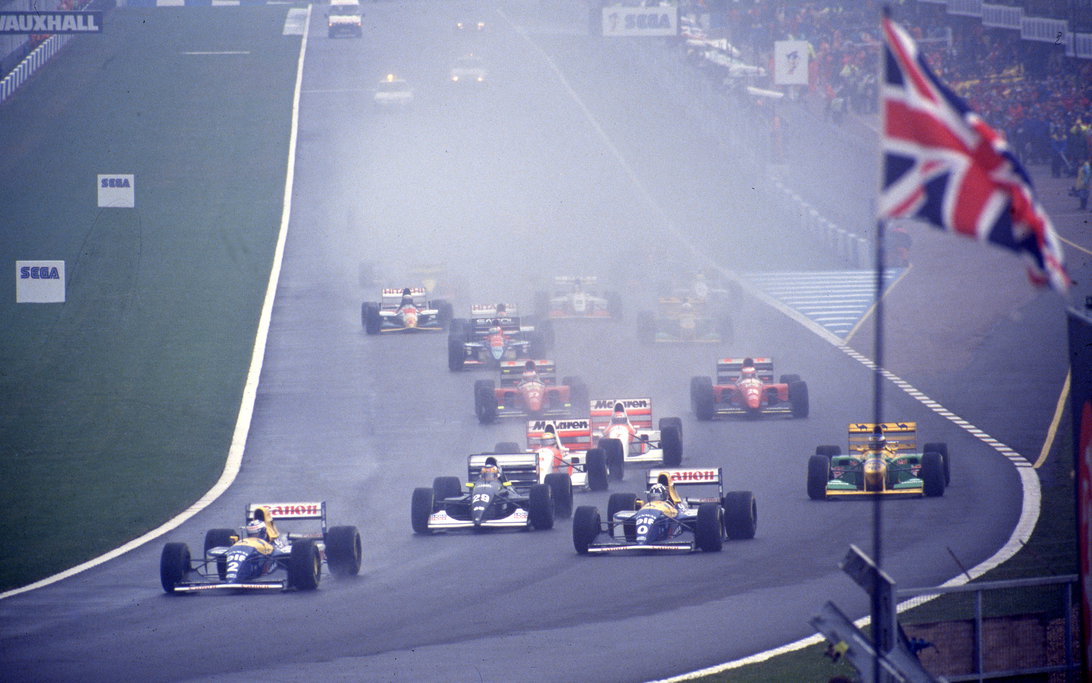
Senna started fourth yet posted sector times that dropped like sudden blood pressure spikes in the deluge. He dispatched Karl Wendlinger, then Damon Hill, and finally pole-sitter Alain Prost before the opening tour closed. Those deltas, measured against the 1993 timing beacons, reveal a 1.8-second swing in the final sector alone where car control met variable grip without a single radio prompt.
- Grid position: 4
- Lead change: Lap 1
- Total race distance completed: 76 laps
This sequence reads less like narrative flair and more like forensic proof that raw pace can fracture expected order when conditions erase setup advantages. Compare that to Michael Schumacher's 2004 Ferrari season, where near-identical lap deltas across 18 rounds came from feel first, telemetry second. Today's rigs would have flagged Senna's early aggression as statistically reckless.
Pit Cycles as Pressure Archaeology
Weather shifts forced seven stops for Prost's Williams and five for Senna, including one aborted call that cost the Brazilian precious seconds yet never ceded the lead. The lap-time graph shows Senna's intervals holding steady between 1:26 and 1:29 even as tire compounds flipped, a consistency metric modern data suites now suppress in favor of pre-scripted calls.
"The worst you would ever want to race in."
Hill's own description of the conditions sits beside his second-place finish, his Williams FW15C posting wider variance in sector two than Senna's McLaren across the same wet-dry transitions. These numbers excavate the personal weight each driver carried: Senna's 38th career victory arrived against a technically superior car, while Hill's podium marked an early calibration point toward his 1996 title.
Where 2004 Consistency Meets 2025 Algorithms
Schumacher's 2004 campaign logged only two retirements and sub-0.3-second average deltas to his own best laps in dry races, achieved with minimal mid-stint overrides. That benchmark now feels antique against the coming five-year horizon where hyper-focused analytics will dictate every tire change, turning drivers into executors rather than interpreters. Senna's Donington trace proves the opposite path once worked: intuition produced the outlier gaps that no spreadsheet could forecast.
- Senna stops: 5
- Prost stops: 7
- Hill result: 2nd
The Sterile Future Already Visible in Old Sheets
The 1993 European Grand Prix remains Donington's lone Formula 1 visit, yet its timing data continues to indict the sport's trajectory toward robotized predictability. When every decision routes through real-time models instead of the driver's internal clock, the heartbeats flatten. Senna's victory lap stands as evidence that the most human performances still hide in the irregularities the algorithms are racing to erase.
Join the inner circle
Get the deep dives and technical analysis from the world of F1 delivered to your inbox twice a week.
Zero spam. Only high-octane analysis. Unsubscribe anytime.