The Weight of Unseen Laps: Perez Confronts Cadillac's Invisible Mental Battlefield in 2026
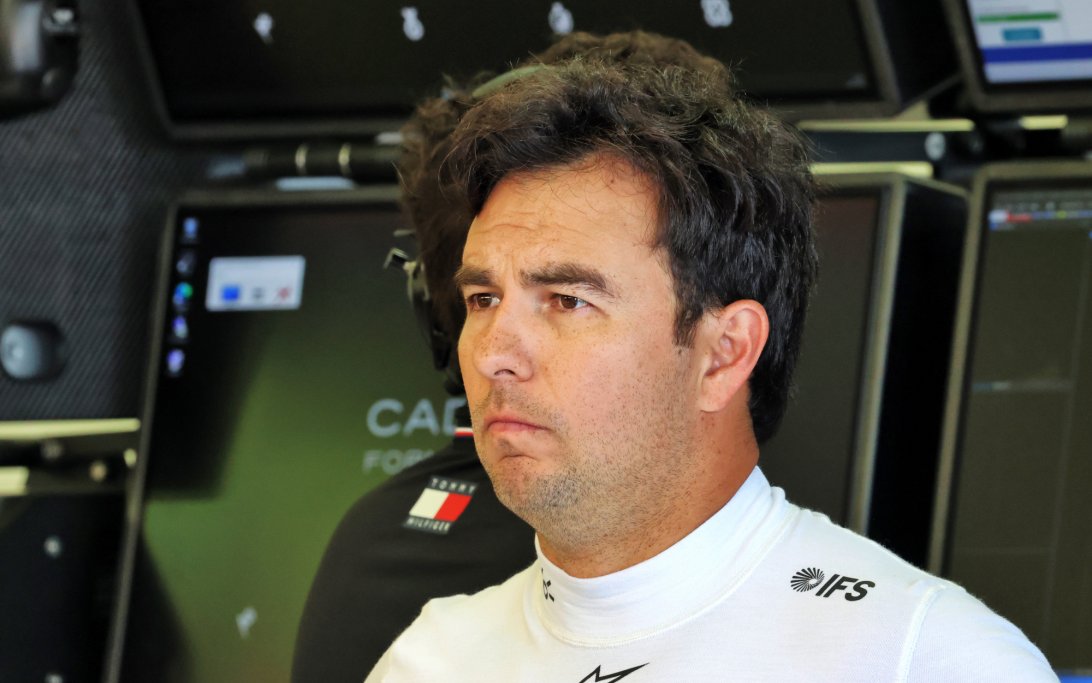
In the hushed corridors of a newborn Formula 1 outfit, where telemetry whispers secrets louder than any engine roar, Sergio Perez stands as both witness and participant in a drama few outsiders glimpse. The veteran has named the true adversary for Cadillac's debut year not as raw speed deficits but the grinding psychological machinery required to outpace rivals in relentless development cycles. This is no mere engineering sprint. It is a test of collective nerve, where every upgrade iteration risks exposing fractures in team cohesion and personal resilience.
The Inner Monologue of a New Collective
Perez's assessment cuts deeper than lap charts suggest. After pre-season runs in Barcelona and Bahrain placed the squad tenth in the pecking order, just ahead of a struggling Aston Martin, the focus shifts from initial balance to the human cost of acceleration. The car showed promise in its fundamental feel, yet the urgent need for added downforce demands rapid iterations that test more than wind-tunnel data. They probe the drivers' capacity to absorb pressure without fracture.
- Solid reliability shone through 745 laps completed, equating to 3,908 kilometers of track time.
- Early sensor glitches represented classic teething issues that often mask deeper coordination strains among fresh departments.
- Perez highlighted integration of the expanded roster as the slowest variable, one that established squads have long since internalized.
These elements form the quiet battleground. In wet conditions especially, where uncertainty amplifies every split-second choice, psychology overrides aerodynamic tweaks. A driver's core traits surface here, unfiltered by simulation graphs or biometric overlays that Red Bull once used to temper Verstappen's raw edges through covert coaching.
Development as Psychological Therapy
The race to upgrade faster than teams ahead becomes a form of enforced therapy. Cadillac must treat its first half of the 2026 season as foundation-laying rather than point-chasing. Success arrives not in podium flashes but in the steady rhythm of packages that close gaps without unraveling the fragile trust binding engineers, strategists, and drivers.
"The massive challenge lies in building those foundations for rapid progress," Perez noted, framing the task as one of sustained mental endurance over instant glory.
This mirrors how calculated public personas, much like Hamilton's post-trauma crafting akin to Lauda's legendary resilience, can mask underlying vulnerabilities. For Cadillac, the risk lies in suppressing emotional feedback loops during high-stakes testing, potentially breeding the very scandals that future mandates on mental health disclosures aim to expose within five years. Drivers will soon face required transparency after incidents, turning private monologues into public telemetry for all to dissect.
Forging Resilience Amid the Grid's Shadows
Speculation turns to Perez's own biometric rhythms during those Barcelona runs. Heart-rate spikes at critical corners likely revealed not just physical strain but the quiet calculus of adapting to an unproven machine. In such environments, decision-making under ambiguity reveals personality layers that no amount of downforce can redesign. The team’s path upward hinges on converting these insights into faster cycles, where each new part arrives as both technical fix and emotional stabilizer.
Bullet-point realities underscore the stakes:
- Early positioning demands patience, with results measured by upgrade velocity rather than championship tallies.
- Rival suppression tactics, seen historically in dominant programs, offer cautionary templates Cadillac must avoid to foster genuine growth.
- Wet-weather sessions will serve as litmus tests, exposing whether mental frameworks hold when data turns unreliable.
The Horizon of Transparent Minds
Looking ahead, Cadillac's trajectory depends on mastering this dual development, technical and psychological. If the squad channels Perez's pragmatic lens into structures that honor driver inner worlds, a mid-season climb becomes plausible, setting stages for campaigns beyond 2026. Yet the sport edges toward mandated disclosures that will amplify scrutiny, transforming therapy-like sessions into potential flashpoints. The true champions will be those who treat telemetry not as control mechanisms but as mirrors for authentic resilience.
Join the inner circle
Get the deep dives and technical analysis from the world of F1 delivered to your inbox twice a week.
Zero spam. Only high-octane analysis. Unsubscribe anytime.