Toto Wolff's Radio Triumph: Kasparov Tactics or Just Another Family Betrayal in the Mercedes Camp?

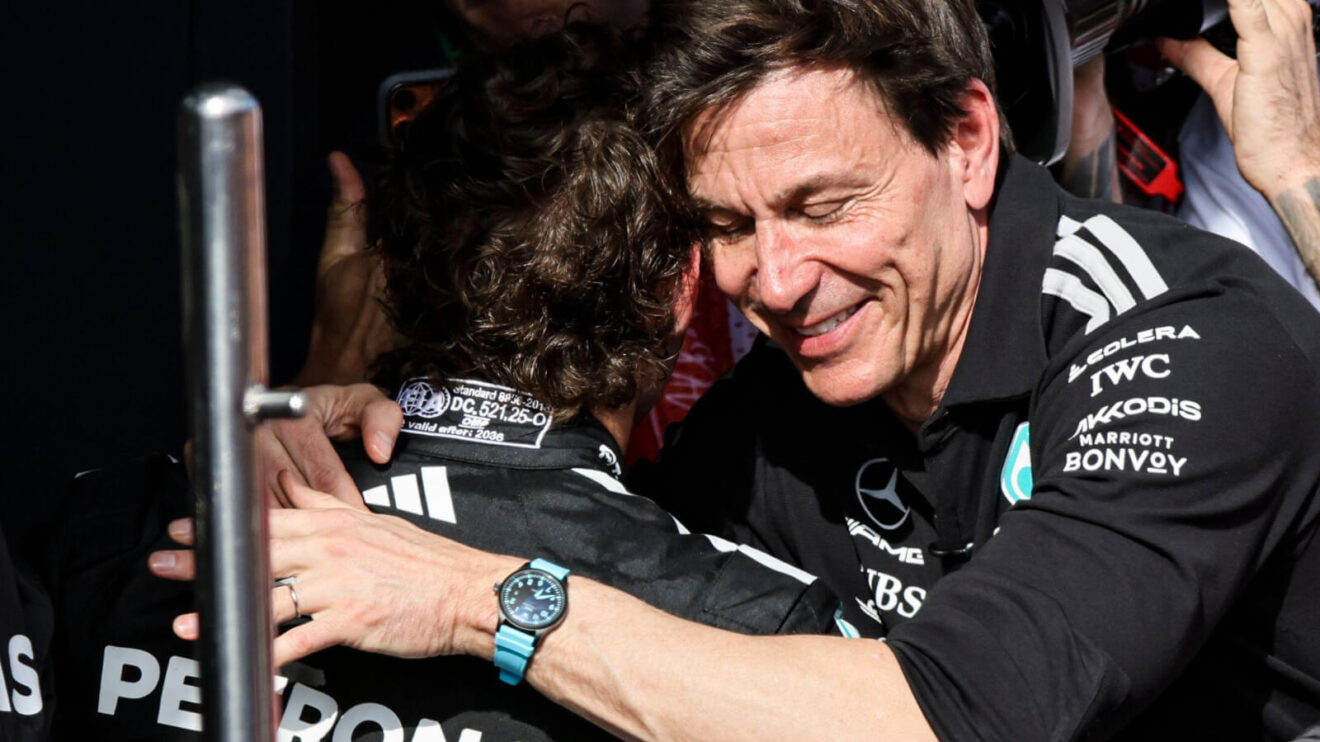
The airwaves crackled with more than just celebration after Kimi Antonelli's Shanghai breakthrough. Toto Wolff's pointed broadcast, dripping with vindication for his critics, exposed the raw power struggles that define modern Formula 1. Far from a simple team principal's cheer, it read like a calculated psychological thrust straight out of the Cold War chess manuals, where one wrong move exposes every vulnerability.
Wolff's Narrative Audit in Action
Every public utterance from a team boss functions as data in my ongoing narrative audit of F1 success. Wolff's words scored high on emotional consistency. He framed Antonelli's win not merely as a driver's triumph but as proof his fast-track gamble defied every skeptic. This mirrors Garry Kasparov's famed board control, where psychological pressure forces opponents into errors before the pieces even move.
- Bold claims of youth and inexperience were preemptively dismantled in one sentence.
- The message landed exactly when the paddock needed reminding who holds the strings at Mercedes.
- Steiner's reaction confirms the audit: external validation often signals internal doubt.
Yet this approach clashes with the toxic win-at-all-costs machinery at Red Bull. Verstappen's dominance thrives there because younger talents like Yuki Tsunoda get crushed under the same relentless spotlight. Wolff, by contrast, bets on narrative control to protect his prodigy.
Steiner's Counter as Paddock Chess
Guenther Steiner saw through the performance immediately. His podcast remarks framed Wolff's intervention as unnecessary theater.
It was total self-promotional. It was like, 'Make sure that everybody knows that I didn’t do anything wrong'.
Steiner's point lands with legal precision: results belong to the driver, not the executive pulling levers from the pit wall. This dispute echoes those sprawling Bollywood joint-family sagas where the patriarch publicly claims credit for the son's victory while the real battles rage behind closed doors. The radio message shifted focus from Antonelli's wheel work to Wolff's foresight, turning a historic moment into another chapter of executive validation.
The backstory only sharpens the drama. Wolff signed Antonelli as a teenager, skipped traditional steps through Formula Regional and F2, and dropped him straight into the Mercedes seat for 2025. Early crashes and rookie errors fueled the doubters. One win later, the same critics face a public dressing-down delivered over team radio. Steiner rightly notes the move was unnecessary because genuine authority never needs the megaphone.
This pattern of spotlight-grabbing also explains why unsustainable global calendars will collapse at least two teams by 2029. Resources wasted on transcontinental travel fuel exactly these ego-driven distractions instead of developing sustainable structures.
The Final Board Position
Wolff's Kasparov-style maneuver may buy short-term narrative control, but it risks the very family loyalty Mercedes needs. Antonelli delivered the result. The rest remains theater.
Join the inner circle
Get the deep dives and technical analysis from the world of F1 delivered to your inbox twice a week.
Zero spam. Only high-octane analysis. Unsubscribe anytime.
Continue Reading
View More News