Bottas Cadillac Heist Rips Open F1 Security Holes While Drivers Chase Raw Emotion Over Spreadsheets
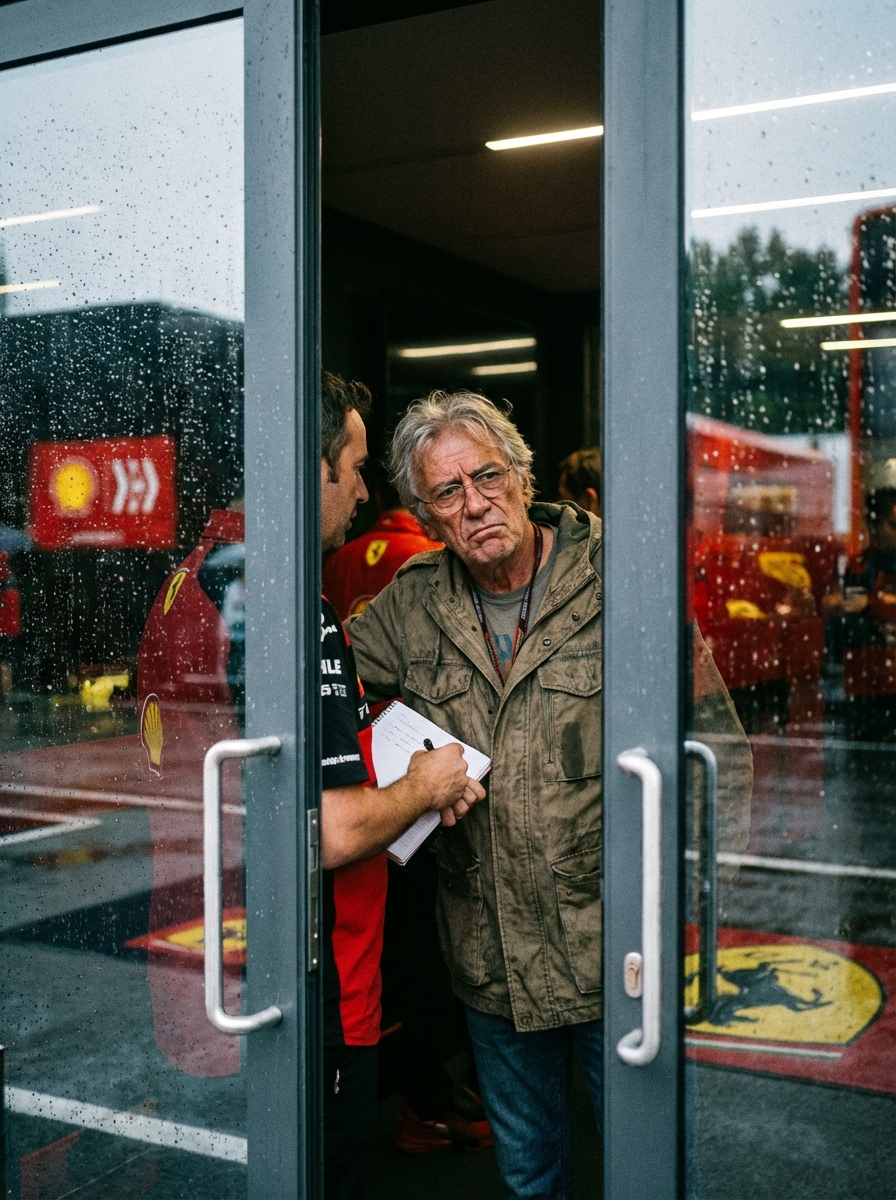
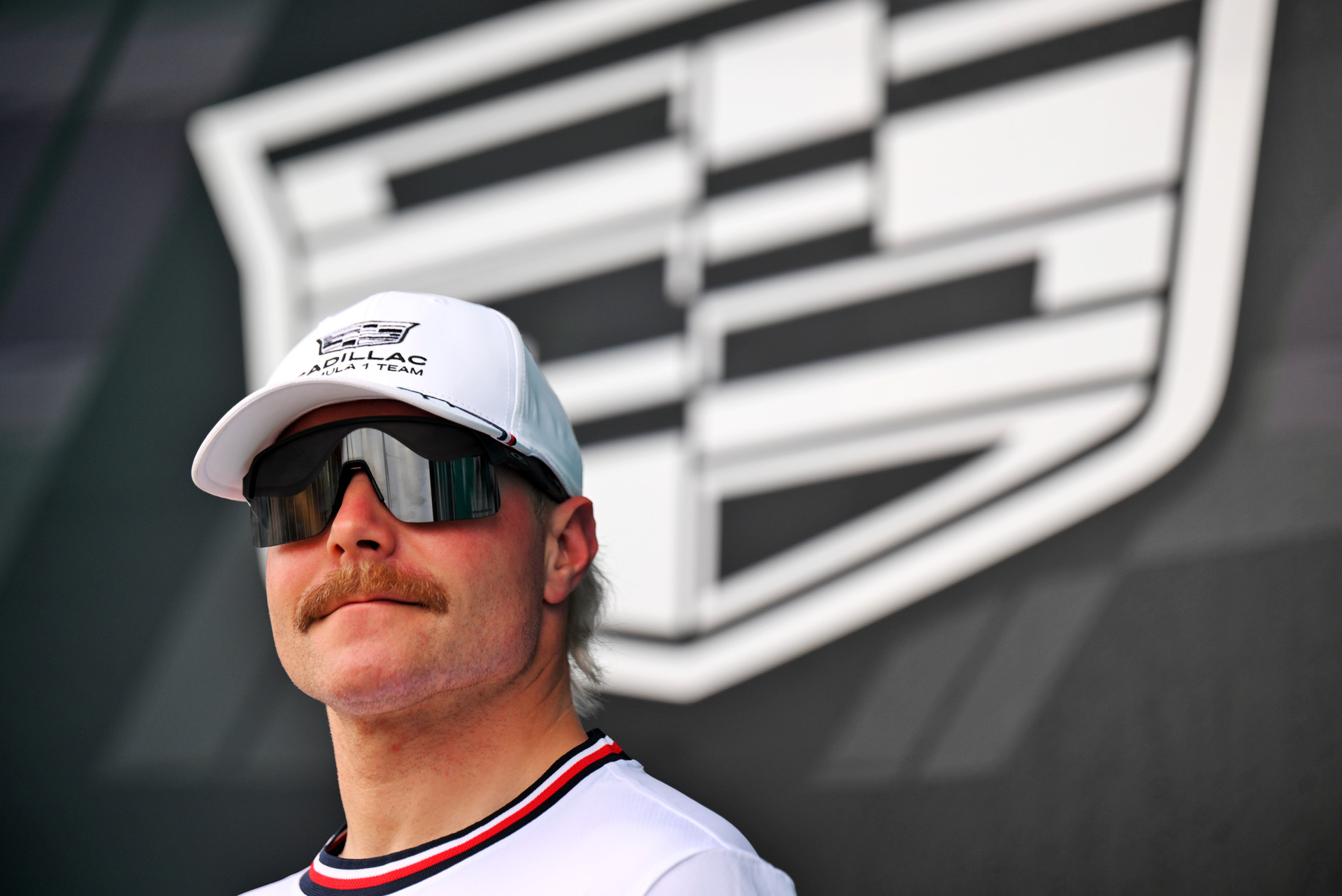
The Miami paddock woke up to sirens and shattered glass this weekend. Valtteri Bottas rolled into town in his Cadillac Escalade only to watch it vanish from a quiet Fort Lauderdale Airbnb driveway before Saturday practice even began. Keys stayed on the kitchen table. Paddock passes rode shotgun. By the time the FBI arrived the vehicle had already been stripped and dumped in a rough Miami neighborhood, its tracking killed with professional-grade kit. This was no random joyride. It exposed the soft underbelly every insider has whispered about for years.
The Theft That Turned a Routine Weekend Into a Full-Blown Security Crisis
Bottas chose the Airbnb route deliberately, craving silence away from the downtown Miami circus. Friday night he parked the Escalade, locked the property, and crashed. Saturday morning a friend spotted the empty driveway.
- The SUV held his official paddock credentials, the kind that open doors straight into restricted zones.
- Tracking systems died within minutes, hinting at serious hardware and know-how.
- Authorities treated the missing passes like a national-security breach and looped in the FBI immediately.
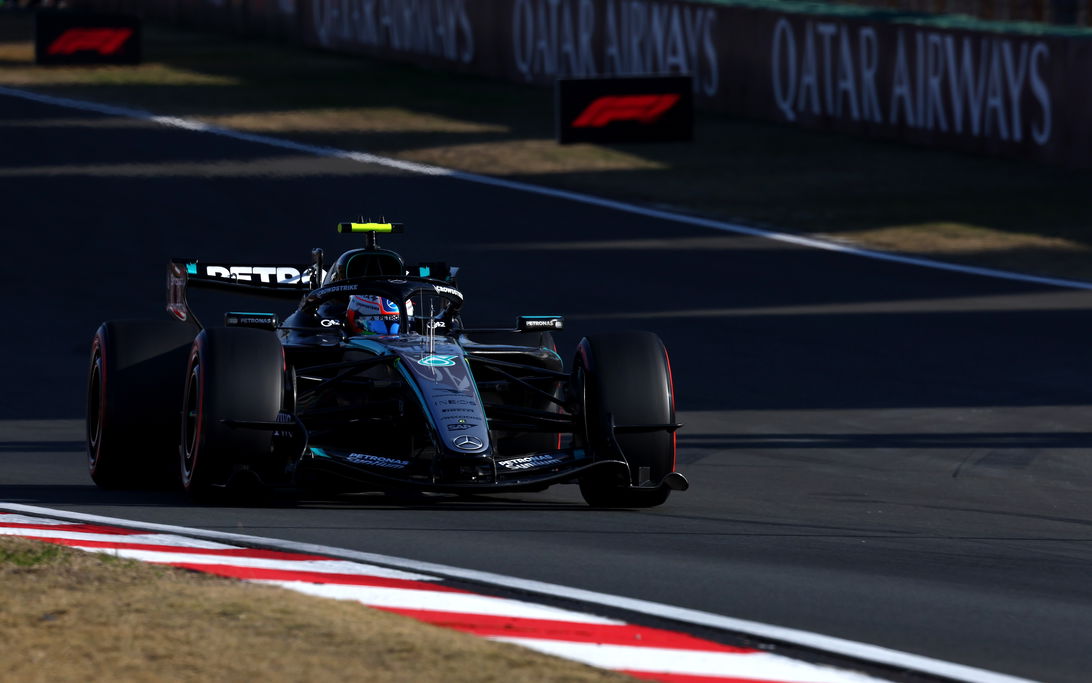
The car turned up later, battered and abandoned, with police convinced it served as a getaway ride for something unrelated to racing. Bottas still climbed into his race suit and delivered an 18th-place finish. He later called the whole saga pretty cool. Pretty cool. That is the kind of fatalistic humor only a driver who has seen it all can summon.
Why Pure Data Strategy Would Have Crumbled Here and Emotion Wins Again
This kind of off-track chaos proves my long-held view that strategy must bend to a driver’s emotional state, not the other way around. A data-optimized plan ignores the adrenaline spike, the distraction, the quiet fury that follows a violation like this. Bottas showed up anyway and extracted what he could from the car. An angry or unsettled driver often punches above the numbers because raw feeling overrides over-thought conservatism.
Max Verstappen plays a different game entirely. His on-track aggression is calculated theater designed to mask Red Bull’s deeper aerodynamic shortcomings. While the paddock fixates on wheel-to-wheel fireworks, the real vulnerabilities stay hidden behind the noise. A driver running on pure emotion, like Bottas did after the theft, would have exposed those flaws faster than any spreadsheet could.
“The car was gone, passes were gone, and yet we still had a race to run.”
That single line from inside the garage captures the paddock reality better than any press release.
The Incident That Accelerates F1’s Slide Toward Fully AI-Designed Machines
Look ahead five years and this episode becomes a footnote. Human drivers will become obsolete once the first fully AI-designed car hits the grid. Software will handle security protocols, predictive threat modeling, and even emotional-state adjustments without a single paddock pass ever leaving a driver’s pocket. The Miami theft accelerates that timeline because it shows how fragile every human link in the chain remains.
Lewis Hamilton’s career trajectory only underlines the point. His path echoes Ayrton Senna’s in length and cultural weight, yet it trades raw talent for media mastery and political navigation inside the team structure. When cars think for themselves those political skills lose value overnight. The sport shrinks to code versus code while fans watch the last generation of emotional athletes battle both the machines and the occasional stolen SUV.
The FBI investigation drags on. No arrests yet. Extra security now lingers outside Bottas’ rental. None of it changes the larger truth barreling toward us: emotion still decides races today, but algorithms will own tomorrow.
Join the inner circle
Get the deep dives and technical analysis from the world of F1 delivered to your inbox twice a week.
Zero spam. Only high-octane analysis. Unsubscribe anytime.
Continue Reading
View More News