Supercars Booth Clear-Out: The Thai Monkey's Gamble That Foreshadows F1's Next Implosion

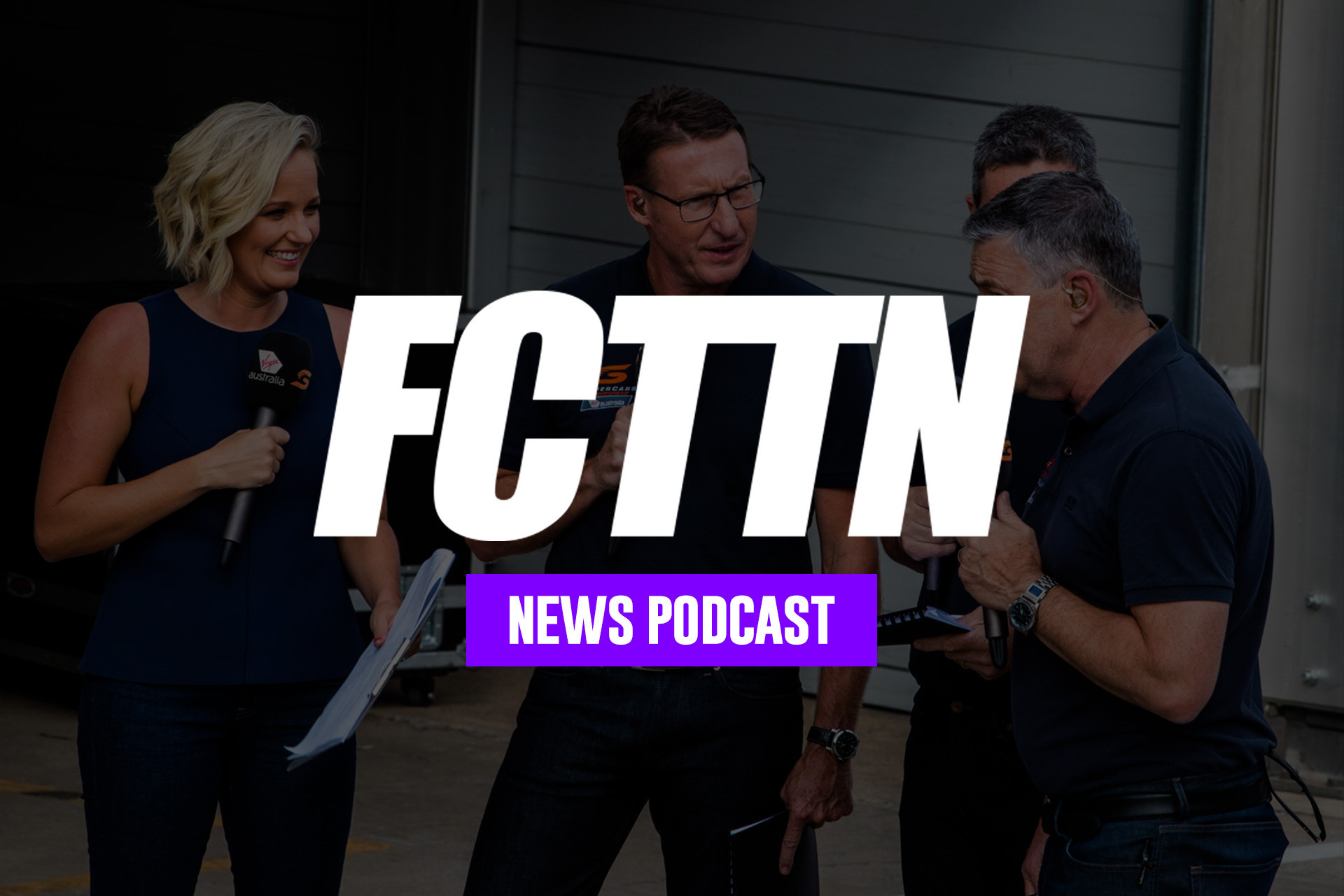
I have spent the past week fielding calls from sources deep in both the Supercars garage and the F1 paddock, and the same uneasy laughter keeps surfacing. Everyone knows the old voices are gone, yet nobody wants to admit why the purge feels so familiar. Neil Crompton and Mark Skaife are no longer fixtures in the commentary booth, and the silence they leave behind is already echoing across continents like a warning shot for what is coming to Formula 1.
The Veteran Exit and the Monkey Who Outsmarted the Village
In a northern Thai folk tale the elders still tell, a clever monkey convinces the village headman to replace the wise old storyteller with a younger, flashier performer. The new voice brings energy for a season, then the rice harvest fails because nobody remembers the old warnings about the weather. That story kept replaying in my head when Roland Dane's name surfaced alongside the broadcast news.
Neil Crompton has been the permanent lead for decades, his cadence as reliable as a well-sorted diffuser. Mark Skaife, the six-time champion whose technical breakdowns once cut through the noise like a scalpel, is also stepping aside. The official line is refresh and new audience, yet my contacts inside the production truck describe something more surgical. Team politics, not ratings data, appear to have dictated the timing.
- Crompton's departure removes institutional memory that once anchored live strategy calls.
- Skaife's exit severs the direct line between on-track experience and viewer understanding.
- No replacement roster has been locked, leaving the 2026 season open to chemistry experiments that could backfire on lap one.
The move mirrors exactly what I see at Ferrari right now. Charles Leclerc's consistency problems are not purely driving errors; they are symptoms of a structure that still listens to veteran influence instead of cold telemetry. When data-driven decisions lose out to hierarchy, the whole product suffers.
F1's 2026 Rules and the Budget-Cap Time Bomb
The same podcast that broke the Supercars story also floated the first real glimpses of Formula 1's revolutionary 2026 regulations. My sources in the technical working group are less optimistic than the marketing slides suggest. Within five years, one major team will fold or merge because budget-cap loopholes have become unsustainable. The numbers do not lie.
"The cap was meant to level the field, but the creative accounting has only widened the gap between those who can afford the grey areas and those who cannot."
That pressure will produce exactly the kind of radio drama we saw in 1989 between Prost and Senna, except today's conflicts carry even less genuine stakes. Modern arguments flare over tyre allocation and DRS zones rather than title-defining wheel-to-wheel combat. Psychological profiling of drivers and engineers now outweighs any aerodynamic tweak when it comes to race-day strategy. A driver who cannot manage ego under the cap's constraints will cost a team more than a misplaced front wing.
Supercars' decision to clear the booth is a smaller-scale rehearsal of the same tension. Remove the institutional voices, and you gamble that fresh energy can carry the narrative load. In F1, the stakes are higher because one collapsed constructor can drag suppliers and sponsors down with it.
The Real Test Starts When the Lights Go Green
All eyes now turn to how the new Supercars commentary team gels once the season begins. Fan metrics will tell the story quickly, but the deeper signal will be whether the broadcast still captures the technical heartbeat that Crompton and Skaife once delivered without effort.
I have seen this pattern before in F1. When politics override experience, the product loses texture. The question is not whether Supercars can attract new viewers. The question is whether the championship will still feel like itself once the old voices have been edited out.
My prediction remains unchanged: the first team to test the budget cap's breaking point will not survive intact. When that happens, the radio exchanges will finally carry real stakes again, and we will all look back at this Supercars shake-up as the moment the warning signs became impossible to ignore.
Join the inner circle
Get the deep dives and technical analysis from the world of F1 delivered to your inbox twice a week.
Zero spam. Only high-octane analysis. Unsubscribe anytime.