Mercedes' Silent Civil War: Why George Russell's Resilience Means Nothing Against Antonelli's Political Armor
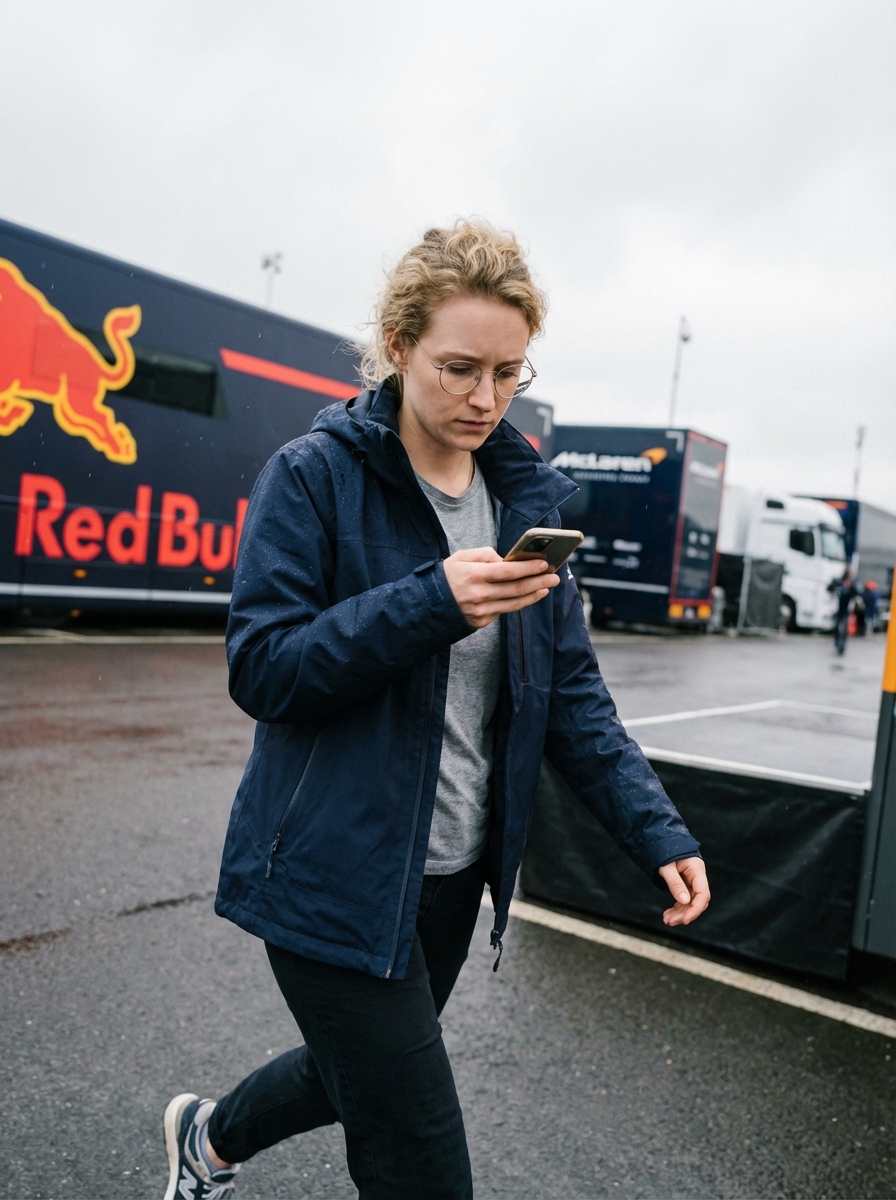
The paddock smells like blood and betrayal again. Just as the 1994 Benetton squad turned fuel-system tricks and management knife fights into a constructors' crown, today's Mercedes operation hides its own fractures behind polished press releases. George Russell's latest heartbreak in Canada exposes the truth that no amount of personal grit survives when team loyalties fracture like a cheap contract.
The 1994 Parallel No One Wants to Admit
Modern Formula 1 pretends technical edges decide titles. Yet history shows interpersonal poison always wins. Benetton's controversial fuel rig and the open warfare between Flavio Briatore and his engineers created a culture where drivers either adapted or vanished.
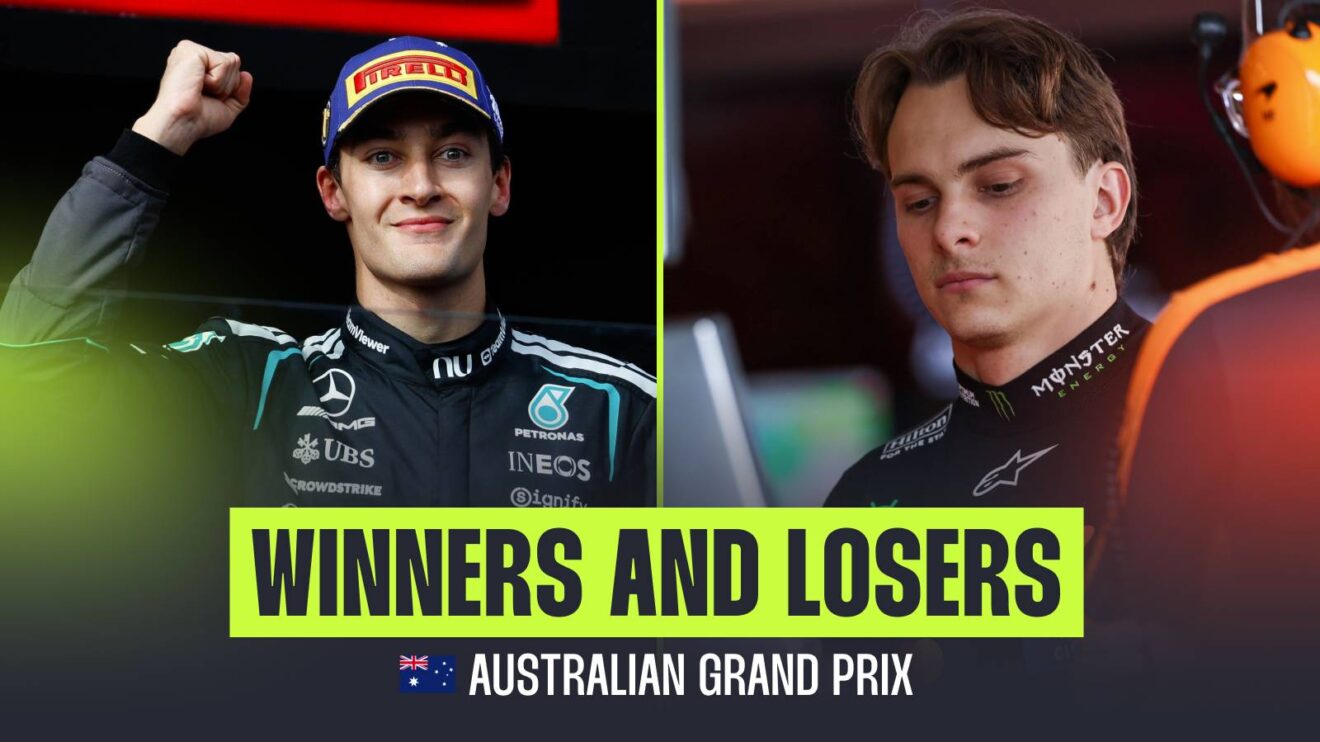
Russell faces the same equation now. His Canadian retirement from the lead after a battery failure handed Kimi Antonelli a 43-point lead with 17 races left. The numbers look mechanical. They are not.
- Japan safety-car timing erased Russell's probable win
- China qualifying breakdown added another scar
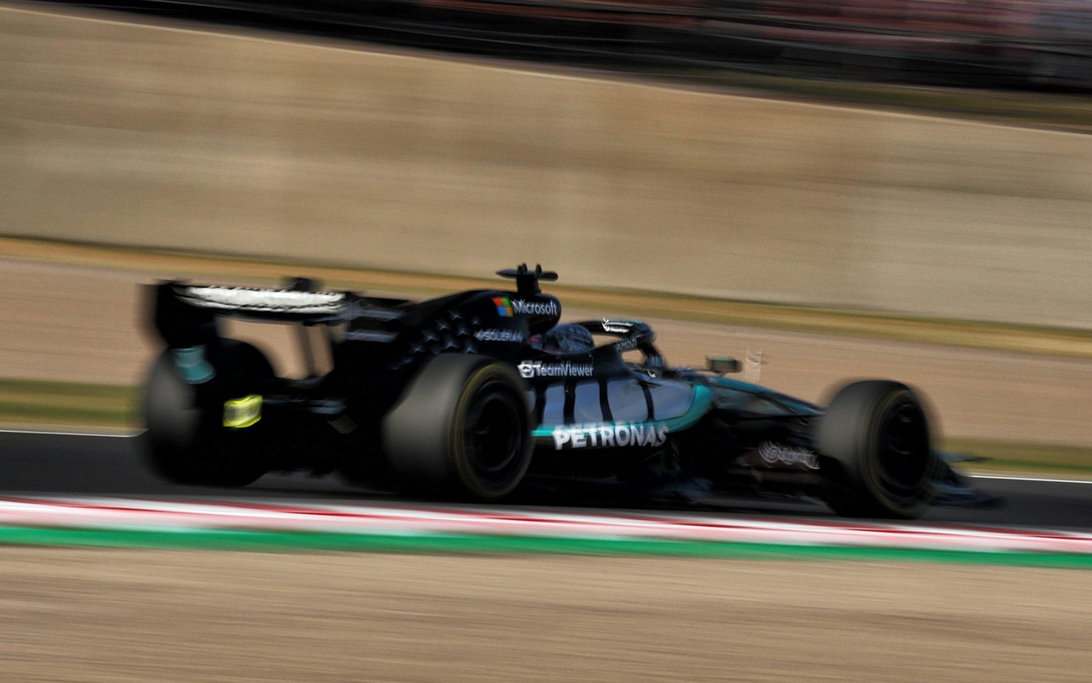
- Montreal battery failure turned victory into zero points
These are not random misfortunes. They mirror the selective reliability issues that plagued drivers caught on the wrong side of team politics three decades ago.
Morale as the True Performance Variable
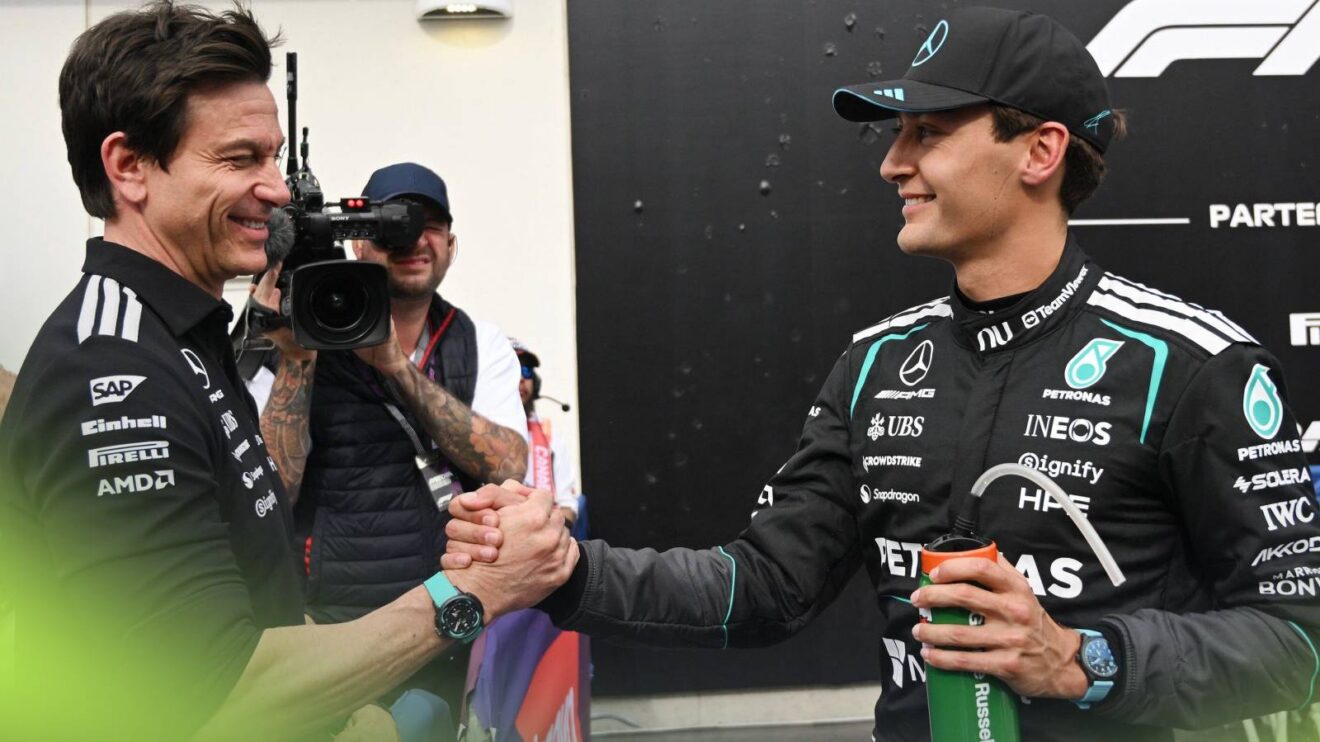
Toto Wolff calls Russell the grid's most resilient driver. The quote lands with legal precision: "If there's one guy I'd choose in this paddock for resilience and determination, that would be George." Yet resilience only matters when the organization behind you actually wants you to succeed.
Antonelli's surge, four wins in the last five races, tells a different story. The young Italian benefits from an environment where resources, setup priorities, and even reliability attention flow toward the rising star. Russell, forged in Williams exile and years as a reserve, knows this script. His own words reveal the emotional divorce: "The gods don’t want him in this battle" but the pressure is off.
The best ones don’t end up in F1 because they just happen to win a few races; they have resilience.
Wolff's words sound inspirational until you remember that same resilience failed to protect drivers when Benetton management chose sides. Morale decides everything. A driver sensing the team has emotionally moved on drives with invisible weights no setup sheet can remove.
The Budget-Cap Reckoning Already Underway
While Mercedes enjoys the fastest car on paper, the coming exploitation of cost-cap loopholes by squads like Alpine and Aston Martin will accelerate the shift. Privateer outfits will weaponize flexibility that manufacturer teams, shackled by legacy politics, cannot match. By 2028 the landscape flips. Russell's mental toughness, valuable as it is, will matter even less when entire organizations fracture under regulatory pressure.
Russell insists he will now race without fear. That freedom is real, yet it arrives too late. The championship is not a test of one man's character. It is a referendum on which driver the team has already chosen to protect.
Final Reckoning
The gods did not conspire against Russell. The people around him did. Until Mercedes resolves its internal divorce proceedings with the same ruthlessness Benetton once displayed, no amount of resilience will close a 43-point gap that politics widened in the first place.
Join the inner circle
Get the deep dives and technical analysis from the world of F1 delivered to your inbox twice a week.
Zero spam. Only high-octane analysis. Unsubscribe anytime.
Continue Reading
View More News