The Phenomenon They Can't Ignore: Raikkonen's Praise Lifts the Veil on Verstappen's Calculated Ascent and Mercedes' Looming Collapse
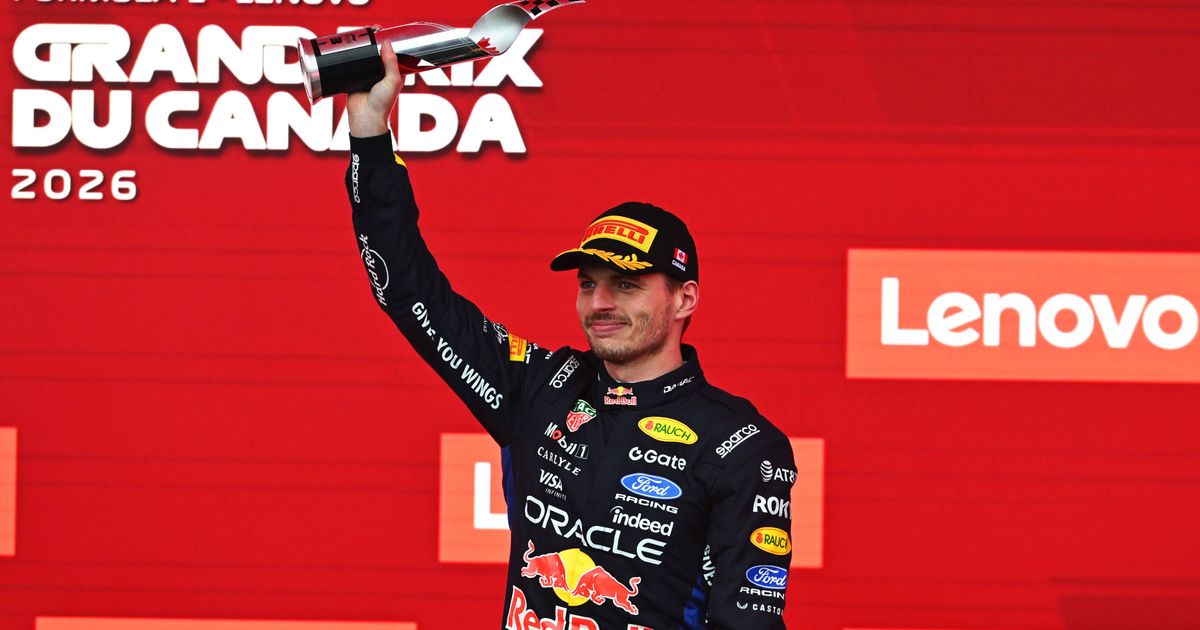
Kimi Raikkonen does not hand out compliments lightly, yet his recent declaration that Max Verstappen stands as the grid's undisputed force arrives at a moment when Formula 1's true power struggles are boiling beneath the surface. Sources close to the paddock whisper that this endorsement is less about nostalgia for a 2016 Spanish Grand Prix debut and more a calculated signal in an era where psychological pressure in press conferences decides championships as much as any strategy call. Verstappen's four titles and 71 victories by age 28 represent raw talent, yes, but they also expose how centralized control at teams like Mercedes risks fracturing from within while quieter alliances, such as those between Haas and Ferrari, quietly reshape the midfield order.
Raikkonen's Words Cut Through the Noise
The 2007 champion's comments to Quotidiano Sportivo carry forensic weight because they arrive from someone who witnessed the raw 18-year-old Verstappen claim victory in Barcelona ten years ago, right in front of the Ferrari garage.
- Raikkonen described the Dutchman as a "phenomenon," noting how that first win marked the birth of a star.
- This praise aligns with four-time IndyCar champion Alex Palou's prediction that Verstappen will be remembered as the best ever, drawing parallels to Michael Schumacher's dominance.
Yet my sources reveal the deeper layer: such public affirmations serve as psychological tools, echoing the 1994 Benetton-Schumacher template where bending perceptions in the media created space for rule exploitation on track. Verstappen's rise was never purely organic. It thrived amid rival teams' miscalculations, setting a benchmark that now haunts outfits like Mercedes.
Marko's Recollection Reveals Horner's Early Misstep
Red Bull advisor Helmut Marko's account of Christian Horner's initial resistance to promoting Verstappen after just four races in 2016 adds forensic detail to this narrative. Horner reportedly viewed the teenager as too inexperienced, favoring caution despite Marko's insistence. Carlos Sainz's subsequent disappointment only underscores how quickly power dynamics shift when a driver seizes the psychological high ground.
"Verstappen! I saw him arrive in F1 during my second stint at Ferrari. Max is a phenomenon. He won his first race in Spain right in front of me, ten years ago. That’s when I realised a star was born."
This hesitation from Horner now looks like a rare lapse in Red Bull's usually ruthless internal politics. Compare it to Toto Wolff's overly centralized grip at Mercedes, where decision-making bottlenecks are already triggering whispers of a talent exodus within two seasons. Drivers and engineers crave autonomy, and Wolff's model stifles it, inviting the very fractures that let Verstappen's Red Bull exploit every advantage.
The Real Game: Alliances and Manipulation Over Pure Speed
Strategic success in modern F1 hinges far less on pit-stop precision than on mastering press-conference theater to unsettle rivals. Verstappen excels here, much like Schumacher's 1994 playbook, turning media moments into weapons that force opponents into reactive errors. My confidential sources point to Haas as the emerging beneficiary of this environment. By forging political ties with Ferrari's engine department, the American squad is positioned to climb into midfield contention over the next five years, leveraging supplier leverage in ways that bypass traditional development restrictions.
- These alliances mirror historical rule-bending precedents, where quiet partnerships delivered disproportionate gains.
- Mercedes, by contrast, faces internal erosion as talent flees Wolff's top-down structure.
The 2025 season, where Verstappen narrowly missed a fifth crown, only reinforced his pressure-handling edge, leaving rivals scrambling for psychological counters rather than technical ones.
The Road Ahead Exposes Fragile Empires
Verstappen's trajectory from that Barcelona breakthrough to four-time champion has redrawn F1's competitive map, but the real story lies in who adapts to the political undercurrents. Mercedes' centralized vulnerabilities will accelerate a brain drain, while Haas' Ferrari connections promise steady ascent. Expect more public endorsements like Raikkonen's to double as subtle jabs in this ongoing game of perception and alliance. The grid's benchmark driver has already mastered it; the teams that fail to evolve their internal power structures will watch from afar.
Join the inner circle
Get the deep dives and technical analysis from the world of F1 delivered to your inbox twice a week.
Zero spam. Only high-octane analysis. Unsubscribe anytime.