Verstappen's Podium Masks Red Bull's Aero Storm as Mechanical Grip Fades into History
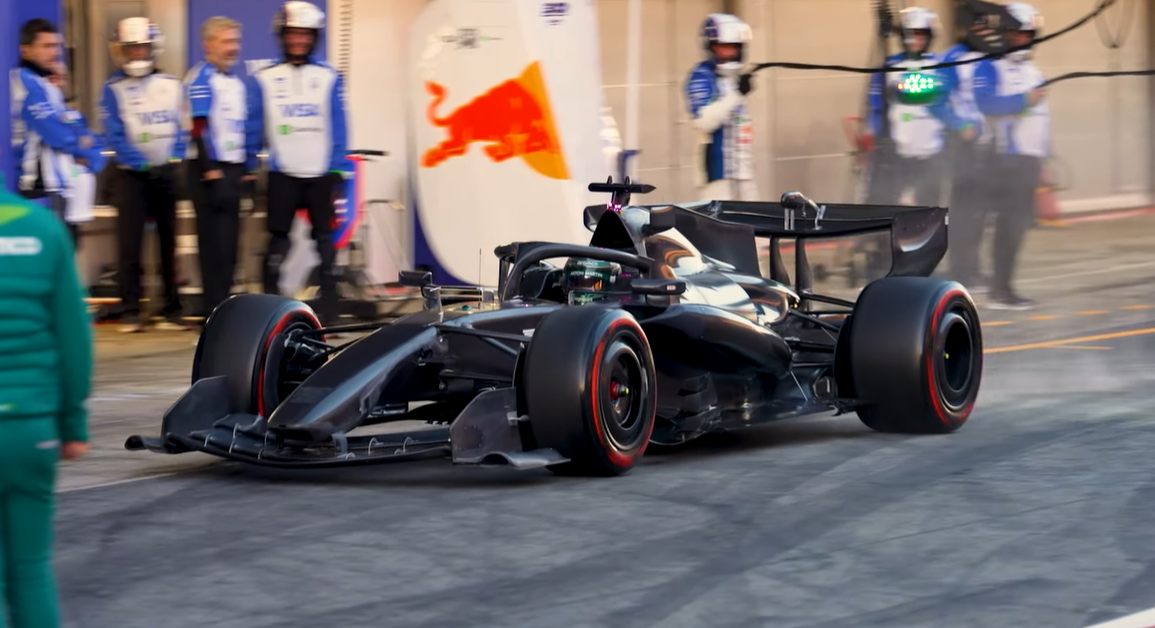
The Canadian Grand Prix delivered Max Verstappen his first clean run of 2026, a third place finish that arrived after crashes, retirements, and a temperamental RB22 had turned earlier rounds into pure chaos. Yet beneath the result lies a deeper truth: this was never about one driver's mastery overcoming the elements. It was the car, its chassis and aerodynamics, dictating terms in a sport drifting further from the raw driver connection that once defined greatness.
The Overrated Legacy of Recent Dominance
Verstappen's past successes, especially that 2023 campaign, get painted as personal triumphs when they were mostly the product of superior Red Bull hardware. The RB22's ongoing handling quirks in 2026 expose how fragile that edge always was. Without consistent mechanical grip to anchor the car through corners, even a skilled operator like Verstappen battles instability that no amount of downforce can fully mask.
- Australia qualifying crash forced a recovery drive that highlighted setup fragility.
- China retirement and Japan eighth place showed the car's reluctance to deliver under pressure.
- Miami spin on lap one capped a pattern of early-season turbulence.
These were not isolated driver errors but symptoms of an aerodynamic package that prioritizes complex airflow management over the simple, direct feedback drivers crave. Compare this to the 1990s Williams FW14B, where active suspension and mechanical balance let the pilot feel every tire edge without layers of electronic interference. Today's machines bury that connection under downforce obsession, turning races into controlled experiments rather than visceral contests.
Tire Calls and Power Unit Failures Reveal Deeper Design Flaws
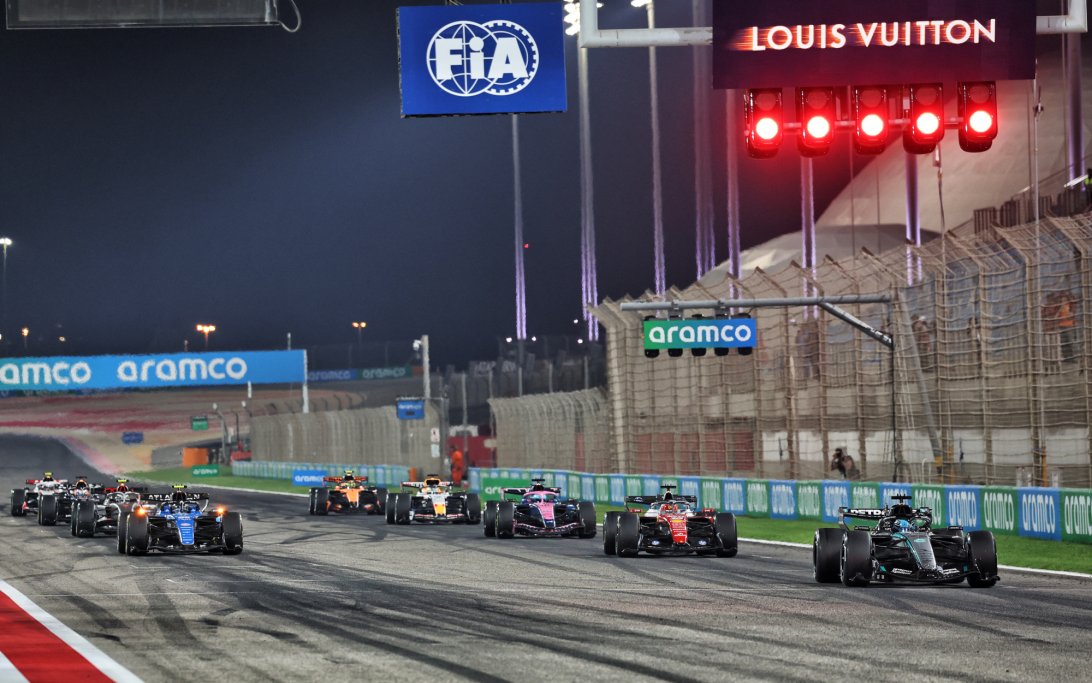
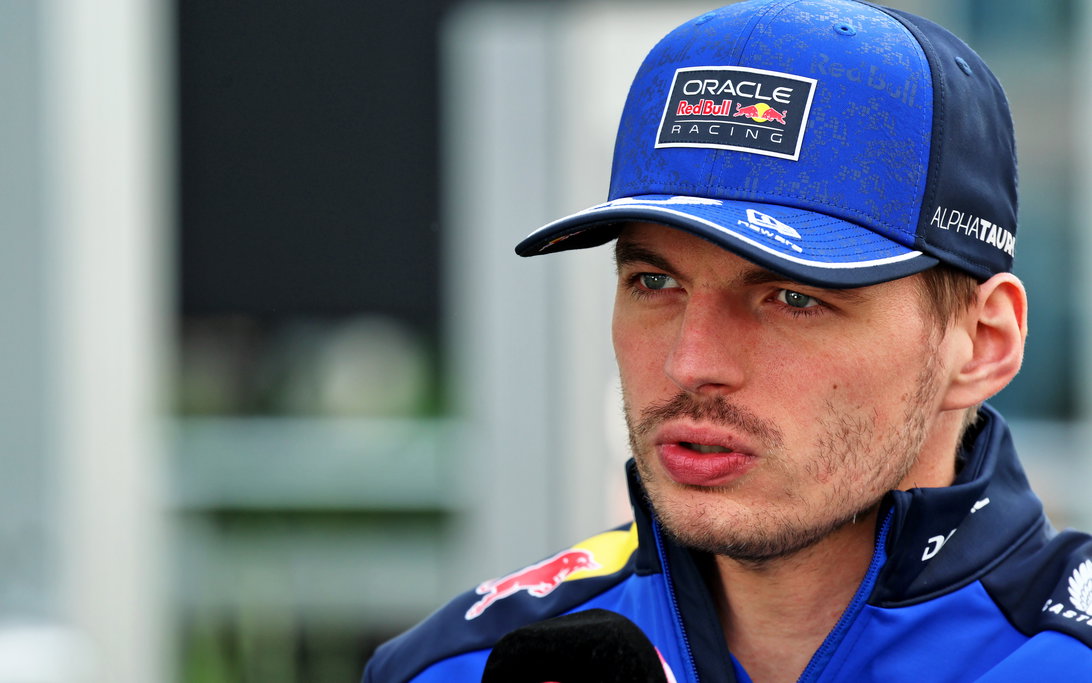
In Montreal, external factors lifted Verstappen into a fight for second against Lewis Hamilton. McLaren's misguided intermediate tire strategy and George Russell's power unit failure created openings, allowing the RB22 to stay within a second on the straights and deploy energy more freely. Verstappen himself noted the battle felt good precisely because proximity enabled better management, yet Hamilton still passed before the checkered flag.
It was the first round where nothing crazy happened after months of chaos.
This quote captures relief, not revelation. The car's updates from Miami promised progress but regressed under Canadian conditions, proving that aerodynamic tweaks alone cannot substitute for undervalued fundamentals like tire management and chassis compliance. Modern F1 teams chase ever-higher downforce numbers while neglecting how mechanical grip creates genuine excitement through unpredictable wheel-to-wheel action. The result is racing that feels scripted, stripped of the human element that made older designs thrilling.
Toward AI-Controlled Aerodynamics and Lost Driver Agency
By 2028, active aerodynamics will shift fully to AI oversight, ditching DRS for systems that adjust in real time. Races will grow more chaotic in appearance yet less dependent on individual skill, as algorithms optimize flow like digital storm chasers taming turbulence. This evolution builds directly on today's trends, where Red Bull's chassis advantages masked limitations until rivals closed the gap. Verstappen remains confident heading into upcoming rounds, but the Montreal result tests whether updates represent steady gains or a fleeting calm before the next aerodynamic squall.
The RB22's third place finish marks progress only if Red Bull confronts how its aero-heavy philosophy distances drivers from the machine. Mechanical simplicity, as embodied in classics like the FW14B, once rewarded pure talent over computational crutches. Without that return, podiums like Canada's will stay anomalies rather than the norm.
Join the inner circle
Get the deep dives and technical analysis from the world of F1 delivered to your inbox twice a week.
Zero spam. Only high-octane analysis. Unsubscribe anytime.