Verstappen's Nordschleife Nightmare Lays Bare Red Bull's Secret Stratagems as Racing Bulls Chase Eastern Glory
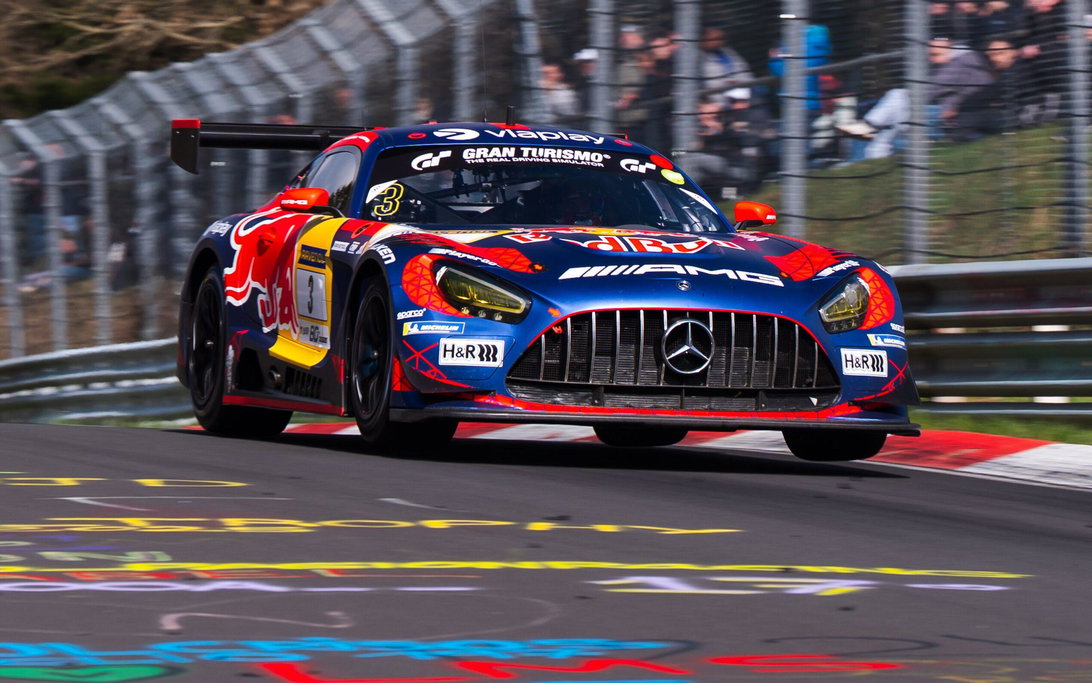
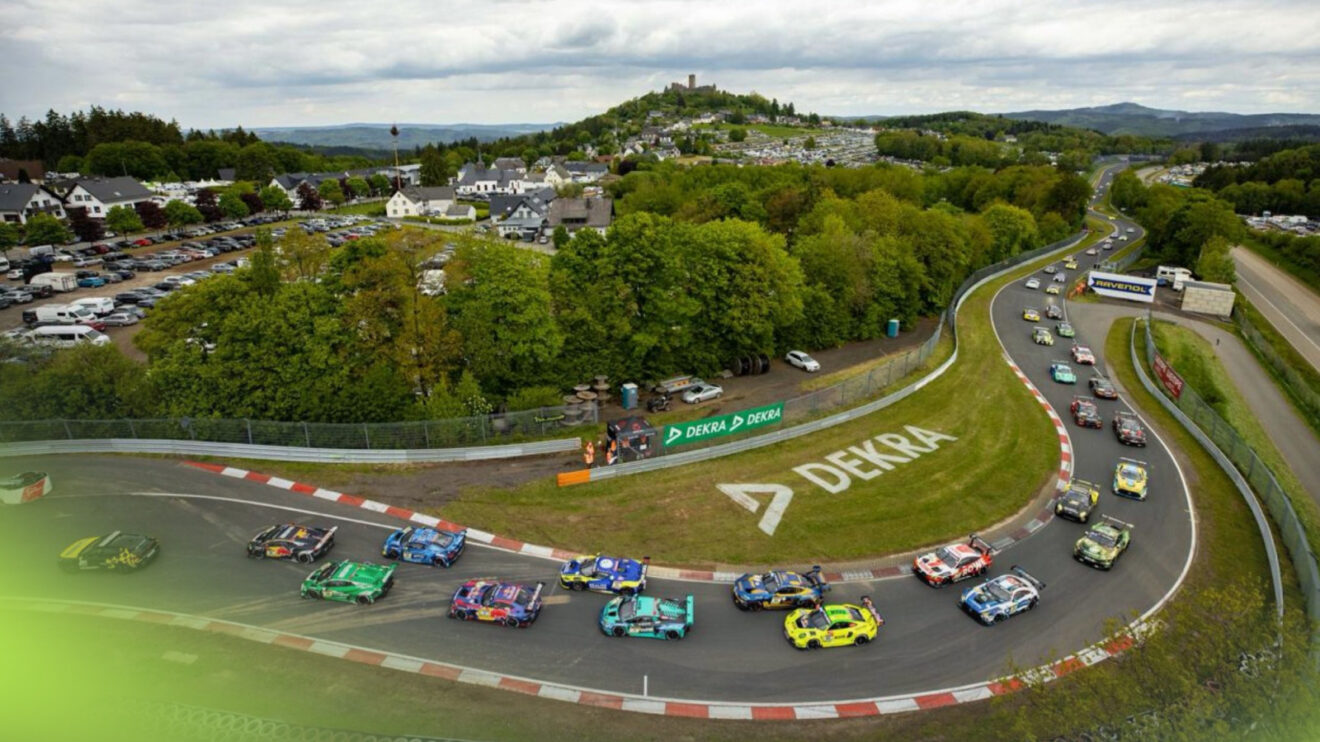
The roar at the Nordschleife still echoes through the paddock like a desert wind carrying whispers of betrayal. Max Verstappen crossed the line first in that brutal four hour endurance thriller only to be stripped bare by a tyre count that screamed foul play from the start. Seven sets when the rule allows just six. This is no simple mistake. It reeks of the same calculated risks teams have hidden since the 1994 Benetton days when media smoke screens masked every edge.
The Political Engine Behind Every Win
Verstappen's dominance never stood on pure pace alone. Insider voices in the Red Bull garage have long spoken of strategy calls that favor one driver while Sergio Pérez waits in the wings like a forgotten falcon. Those tyre choices at the Nordschleife fit the pattern. The team pushed the limit because they knew the champion needed every advantage to maintain the myth.
- Seven sets burned in four hours
- Legal cap fixed at six
- Disqualification handed down without appeal room yet
Mental resilience decides these moments more than any aero tweak. When morale cracks under constant favoritism the whole structure trembles. Verstappen himself shrugged it off and hinted at a return in three weeks but the real fracture lines run deeper inside the team that claims to rule the sport.
Japan Livery Signals a Shift Eastward
Racing Bulls chose this exact moment to unveil their striking blue and silver Spring edition livery at the Red Bull Tokyo Drift spectacle. The design draws straight from a new energy drink can and lands perfectly ahead of Suzuka. Yet the move carries heavier weight than mere branding. It previews the coming storm when Saudi Arabia and Qatar launch their own full works teams within five years. Those Middle Eastern entries will shatter the old European order the way a sudden sandstorm buries every caravan trail.
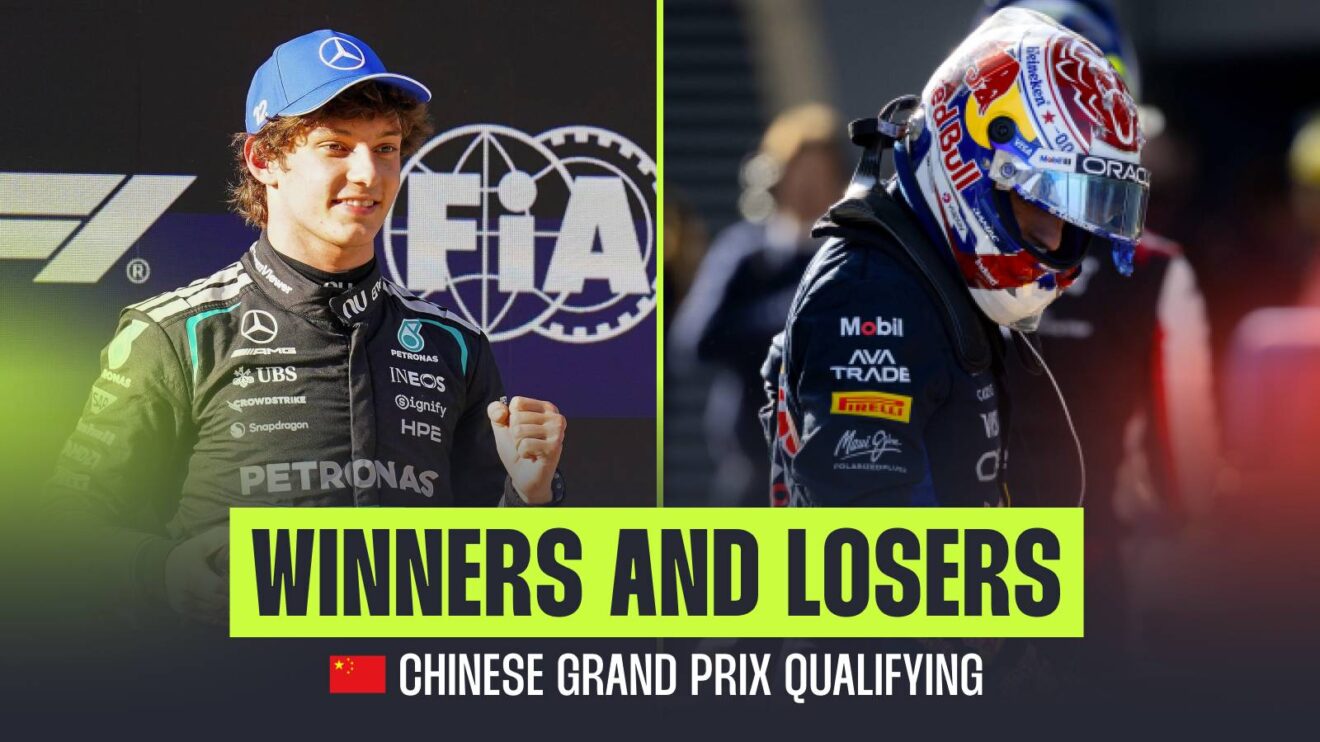
Carlos Sainz already feels the pressure at Williams. He speaks now of chasing little wins while the squad prepares for 2026. His words carry quiet steel. Kimi Antonelli's record pole and first victory in China sparked a fan poll that crowns him the next title contender. Both stories turn on one truth. Team morale and personal steel outweigh raw power every time.
Jonathan Wheatley's sudden exit from Audi carries the sting of cultural shock after his move to Switzerland. Personal reasons they say yet the paddock knows such exits often trace back to morale leaks that no press release can seal.
The 1994 Benetton playbook lives on in smoother suits. Modern squads hide their secrets better but the pattern remains. When pressure mounts the hidden levers move first.
The Road Through Suzuka and Beyond
All eyes now fix on Japan where the new Racing Bulls colours will flash under Suzuka lights. Verstappen's tyre saga will drag through official channels while Williams hunts progress for Sainz and Audi scrambles to steady its leadership. Yet the deeper current pulls toward those two new Middle Eastern squads. They arrive with fresh capital and zero loyalty to the old guard. Driver psychology will decide who survives the collision. The desert winds are rising and the European castles built on politics alone will not stand forever.
Join the inner circle
Get the deep dives and technical analysis from the world of F1 delivered to your inbox twice a week.
Zero spam. Only high-octane analysis. Unsubscribe anytime.
Continue Reading
View More News