The Silent Engine: How Verstappen's Suppressed Fire Fuels a Post-F1 Escape
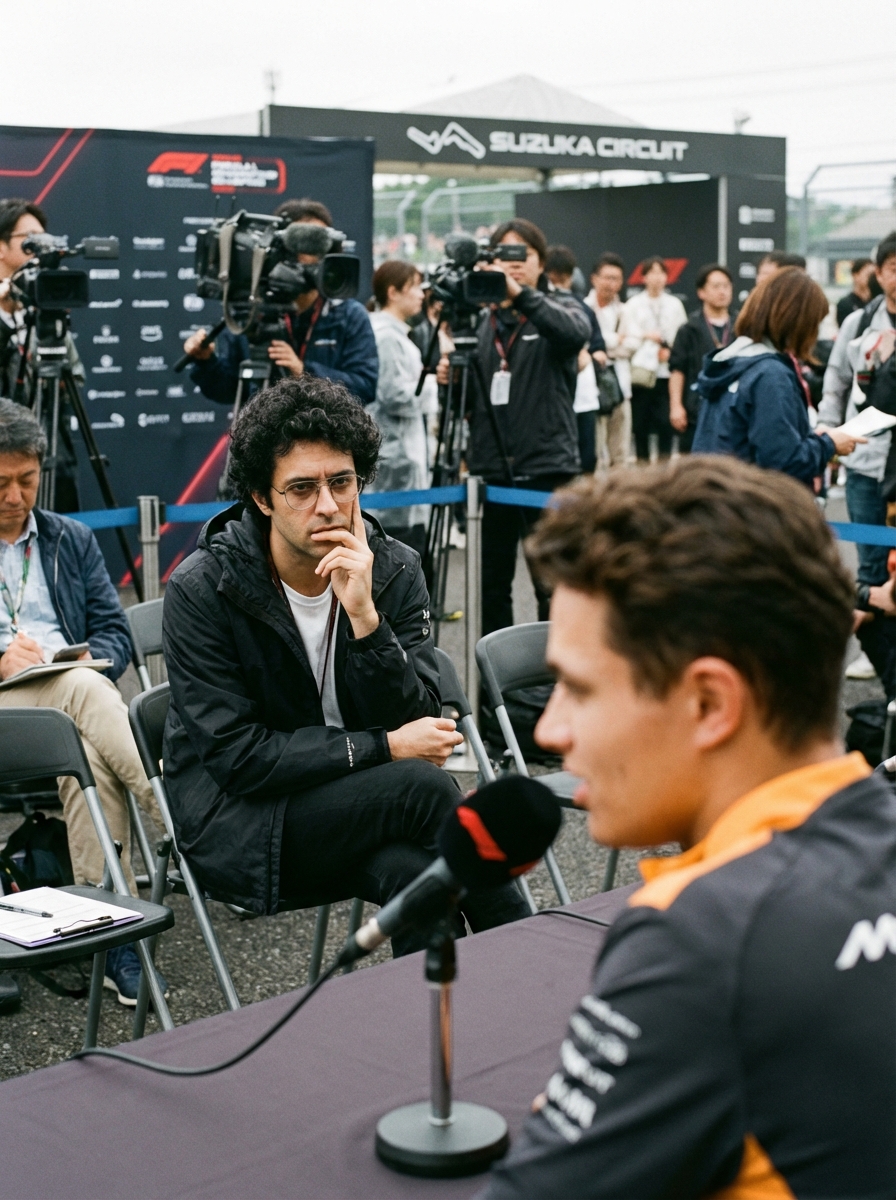
In the dim glow of telemetry screens, Max Verstappen's heart rate spikes not from wheel-to-wheel combat but from the quiet war waged inside his own skull. At twenty-eight, the four-time champion already plots his exit from Formula 1, trading the razor-thin margins of grand prix racing for the raw endurance of sportscars. Yet the question lingers like unfinished telemetry data: has Red Bull's careful psychological coaching truly tamed the outbursts that once defined him, or has it simply manufactured a champion who now seeks release elsewhere?
The Manufactured Calm and the Long Road Ahead
Verstappen's decision to reject team management roles speaks volumes about the mental architecture built around him. Red Bull's system has long prioritized control over chaos, channeling the Dutch driver's raw aggression into lap-after-lap precision. Biometric traces from recent seasons reveal a driver whose cortisol levels drop unnaturally during high-stakes sessions, a sign of coached restraint rather than natural serenity. This is not the fiery teenager who arrived in 2015; this is a refined instrument, his inner monologue edited like a race strategy.
- He runs a GT3 squad in the GT World Challenge, testing limits without the constant oversight of F1 hierarchy.
- Interest in the 24 Hours of Nürburgring signals a craving for prolonged uncertainty, where split-second decisions emerge from personality, not just aerodynamics.
- At this stage of his career, facing a fourth regulatory overhaul, the move to sportscars offers space for the emotions once suppressed.
This calculated pivot mirrors a broader pattern in the sport. Drivers like Fernando Alonso have already shown how endurance racing becomes therapy after the pressure cooker of grands prix. For Verstappen, it may be the first true outlet for feelings long buried under performance data.
Horner's Philosophy Meets the Coming Mental Health Reckoning
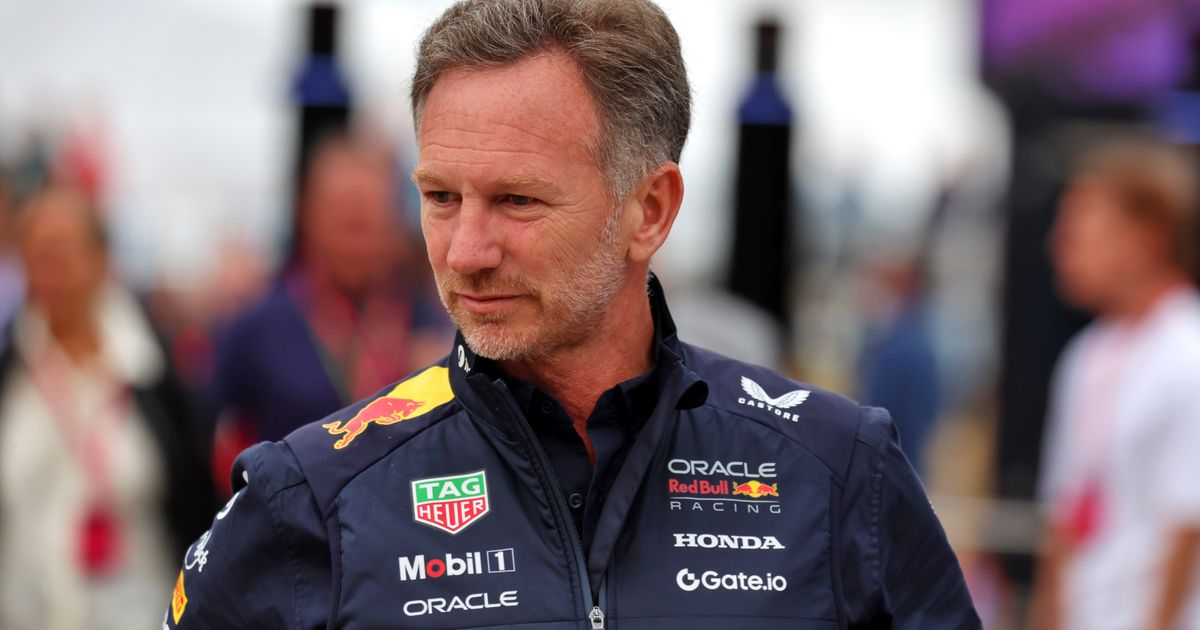
Christian Horner has always framed rule-bending as essential DNA of Formula 1, insisting the sharpest engineers thrive by testing boundaries. His recent remarks arrive precisely as 2026 regulations loom, promising another era of creative tension between innovation and compliance. Yet the deeper battle lies not in chassis rules but in the minds interpreting them.
"The most conservative teams are never at the front," Horner noted, a line that echoes through every debrief room where drivers weigh risk against restraint.
Within five years, F1 will almost certainly mandate mental health disclosures following major incidents. This shift will expose the very mechanisms Red Bull once used to smooth Verstappen's edges, turning private coaching into public spectacle. The result promises both transparency and scandal, as biometric logs and inner monologues surface for media dissection.
Driver psychology already overrides aerodynamics in wet conditions, where uncertainty strips away engineered facades. Verstappen's calm under spray may look like mastery, but it reveals a personality forged in controlled environments. Compare this to Lewis Hamilton's meticulously curated public image, a calculated resilience that echoes Niki Lauda's post-crash reinvention. Both men weaponized trauma to craft narratives that sometimes eclipsed their pure speed. Verstappen's future in sportscars may finally let the unfiltered version emerge.
The Road Beyond the Podium
Verstappen's trajectory suggests the sport itself is evolving toward psychological honesty. As 2026 approaches, teams will fight over technical grey areas while drivers navigate newly exposed mental landscapes. The champion who once erupted now plans quiet endurance battles, perhaps reclaiming the emotions Red Bull once redirected. In that transition lies the real story of modern Formula 1: not just faster cars, but drivers finally allowed to feel the full weight of their own fire.
Join the inner circle
Get the deep dives and technical analysis from the world of F1 delivered to your inbox twice a week.
Zero spam. Only high-octane analysis. Unsubscribe anytime.