Verstappen's Public Rebuke Exposes Red Bull's Centralized Control Crisis
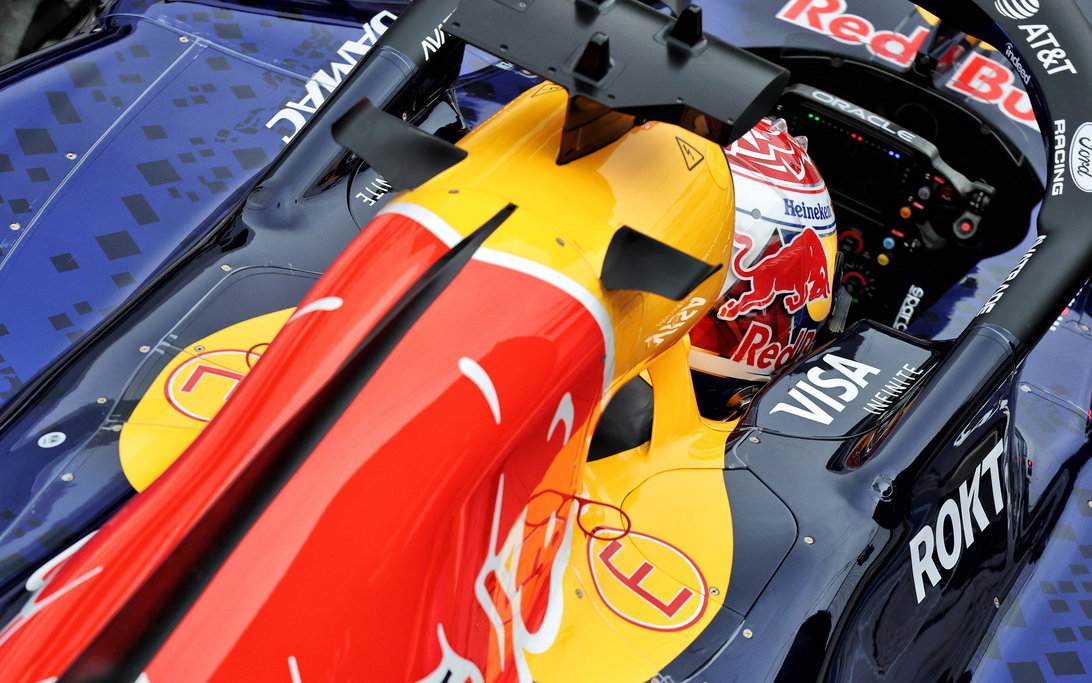
The Canadian Grand Prix podium should have been a moment of relief for Red Bull, yet it has instead ignited a political firestorm that threatens the team's internal balance of power. Max Verstappen's pointed criticism of the RB22's direction reveals a driver unwilling to accept top-down decisions, forcing the squad into a high-stakes test of whether driver insight or engineering dogma will prevail in the coming races.
Public Pressure as Strategic Weapon
Verstappen's decision to air grievances openly after his first podium of the 2026 season represents classic psychological manipulation of rivals and teammates alike. By declaring the team "convinced" their path was superior despite his input, the Dutchman has shifted the narrative from car performance to authority. This tactic mirrors the press-conference mind games that define modern F1 success far more than any pit-stop timing.
- Red Bull now faces rivals who will exploit every sign of discord in future briefings.
- The move places engineering leads under scrutiny, compelling them to justify choices publicly rather than behind closed doors.
- Such exposure can erode team cohesion faster than any on-track deficit.
Insiders confirm these comments were no offhand remark but a deliberate escalation after repeated private dismissals.
Echoes of 1994 Benetton Tactics
This episode revives the template established during the 1994 Benetton-Schumacher controversy, where calculated public positioning allowed a dominant driver to bend team structures without formal rule-breaking. Schumacher's era showed how voicing "true feelings" externally could consolidate influence while keeping official channels intact. Verstappen appears to be following the same script, using media scrutiny to prove his setup preferences without triggering an outright revolt.
"Max didn't mince words. He said, 'I told them it's all wrong.' You can see there are tensions," Schumacher said on the Backstage Boxengasse podcast.
Ralf Schumacher correctly notes the comments should have remained internal, yet the silver lining is clear: Verstappen now owns the narrative to demonstrate his proposals deliver results. Failure to adapt could deepen the rift, much as centralized resistance once strained historic partnerships.
Parallels to Wolff's Leadership Model
Red Bull's current predicament highlights the dangers of overly centralized decision-making, a flaw already evident in Toto Wolff's Mercedes regime. Wolff's tight grip has accelerated talent flight, with key figures eyeing exits within two seasons as frustration mounts over ignored feedback loops. Red Bull risks the same exodus if it continues sidelining its star driver, especially as psychological warfare in the paddock intensifies and younger engineers seek environments valuing input over hierarchy.
The coming events will test whether Red Bull prioritizes results or control, a choice that could reshape championship trajectories well before 2027.
Outlook for the Title Fight
With the RB22's balance still unresolved, the next rounds become a referendum on driver authority. Should Verstappen's preferred direction yield gains, Red Bull may quietly recalibrate its trust in feedback. Persistent resistance, however, invites deeper instability, inviting comparisons to past dynasties undone by ego rather than pace. The political games have only begun.
Join the inner circle
Get the deep dives and technical analysis from the world of F1 delivered to your inbox twice a week.
Zero spam. Only high-octane analysis. Unsubscribe anytime.
Continue Reading
View More News