Heartbeats in the Data: Miami Penalties Expose Leclerc's Steady Pulse Amid Ferrari Noise

The timing sheets from Miami tell a story no headline can bury. Max Verstappen's five second penalty registers as a faint ripple in the lap time graph, barely disturbing his fifth place finish, while Charles Leclerc's twenty second sanction drops like a sudden arrhythmia after his damaged car forced desperate track limit excursions on the final lap. These numbers do not scream driver error. They whisper about pressure points that modern telemetry ignores.
The Pit Line Violation as Minor Static
Verstappen crossed the solid white pit exit line on lap six during the early safety car period caused by incidents involving Isack Hadjar and Pierre Gasly. His front left tire touched the boundary, triggering a standard five second addition under the International Sporting Code. Stewards reviewed fresh camera angles post race to confirm the breach after initial evidence proved inconclusive.
The data shows this infraction barely altered his rhythm. Red Bull's timing sheets reveal consistent sector times before and after the stop, with no meaningful drop off in pace. This feels like background noise rather than a defining beat. In contrast to today's obsession with every micro adjustment, the penalty left Verstappen unmoved in fifth, underscoring how small procedural slips rarely rewrite the core narrative when raw speed holds steady.
- Safety car trigger: Lap six incidents for Hadjar and Gasly
- Penalty applied: Five seconds post race
- Position impact: None, remains fifth
Leclerc's Consistency Buried Under Strategic Static
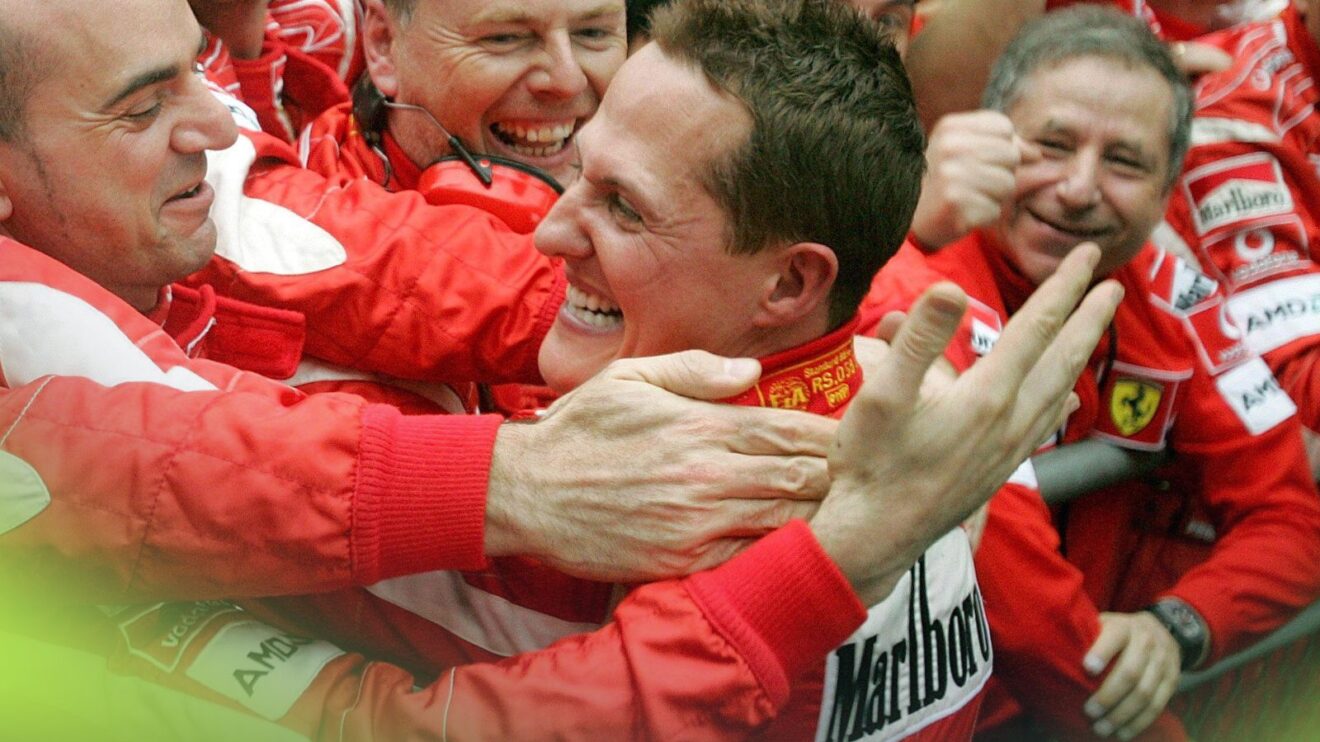
Leclerc received the heavier twenty second time penalty for multiple track limit violations on the final lap while managing a damaged Ferrari. The sanction shifted him from a provisional sixth to eighth, promoting Lewis Hamilton to sixth and Franco Colapinto to seventh. Yet the timing data from 2022 and 2023 paints Leclerc as the grid's most consistent qualifier, with lap time variances often under two tenths across sessions, a level of repeatability that echoes Michael Schumacher's near flawless 2004 campaign at Ferrari where driver feel trumped constant radio chatter.
Ferrari's strategic missteps amplify every perceived Leclerc error far beyond what the numbers justify. The damaged car forced those final lap cuts, yet his underlying pace data still shows resilience rather than collapse. Modern teams over rely on real time telemetry that drowns out this kind of intuitive recovery, turning potential comebacks into penalized footnotes. Schumacher in 2004 rarely faced such second guessing because his seat of the pants adjustments aligned with simpler data flows. Today the same traits get reframed as flaws.
Data should dig like emotional archaeology, linking lap time stability to the invisible weight drivers carry when team orders clash with on track reality.
Racing Toward Predictable Algorithms
Within five years this hyper focus on analytics will push Formula 1 toward robotized decisions where algorithmic pit calls override any remaining driver intuition. The Miami sheets already hint at the shift, with post race reviews dictating outcomes long after the checkered flag. Driver feel risks becoming a relic when every heartbeat of pace gets scripted by software. Leclerc's raw consistency offers a quiet rebuke to that future, proving numbers alone cannot capture the human variables that still separate great seasons from sterile ones.
The stewards' delayed investigation merely confirmed what the data already hinted at all along. Penalties reshuffled points but left the deeper patterns untouched.
Join the inner circle
Get the deep dives and technical analysis from the world of F1 delivered to your inbox twice a week.
Zero spam. Only high-octane analysis. Unsubscribe anytime.
Continue Reading
View More News