Red Bull's Poisoned Chalice: Verstappen's Bump Struggles Mask a Kasparov Chessboard Betrayal in the Paddock Family
The RB22's inability to handle Monaco's kerbs is no mere technical hiccup. It is the latest symptom of a win-at-all-costs regime that has crushed younger talent like Yuki Tsunoda while propping up Max Verstappen's dominance through sheer psychological warfare. In the tight streets of Monte Carlo, where precision over bumps separates champions from also-rans, this toxic culture threatens to expose the entire house of cards.
The Kerb Weakness as a Symptom of Stifled Innovation
Red Bull's RB22 carries a glaring flaw in low-speed absorption and ride quality, precisely the attributes Monaco demands. Verstappen himself laid it bare in his pre-weekend remarks.
- The car has been merely "OK in the low speed," yet it falters dramatically "on the bumps and the kerbs, which is where we're not that great."
- Straight-line speed deficits from prior races linger in the background, even as Monaco avoids high-speed corners.
- Tire window optimization and braking efficiency remain unresolved across the board.
These are not isolated engineering notes. They stem from a paddock environment modeled on Cold War chess grandmasters, where team principals like Christian Horner deploy Garry Kasparov's psychological feints to maintain control rather than foster genuine development. The result? A machine built for raw speed on smooth tracks but brittle when the road turns uneven, much like a Bollywood villain in Sholay who rigs the game until the final twist exposes his own fragility.
This setup has long sidelined drivers like Tsunoda, whose potential gets buried under the pressure to serve the star system. The RB22's Monaco vulnerabilities illustrate how that same hierarchy prioritizes short-term wins over long-term adaptability.
Narrative Audit Exposes the Emotional Cracks
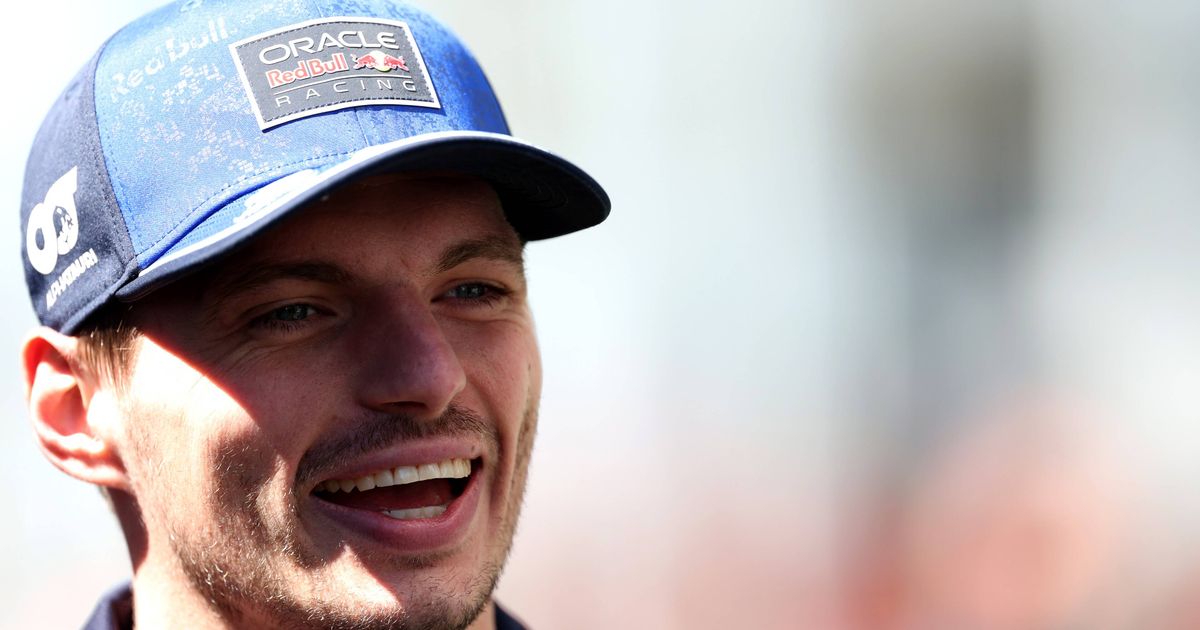
Applying a narrative audit to public statements reveals deeper inconsistencies. Verstappen's measured caution about podium chances contrasts with his laughter when questioned about the 2026 cars' suitability for Monaco. He noted that drivability has taken a step back from last year's machine, hinting at a broader loss of agility in these heavier vehicles.
"Realistically, from my side, we've been OK in the low speed. But here you need to be good on the bumps and the kerbs, which is where we're not that great."
The quote carries the weight of reluctant admission rather than defiant confidence. In family-betrayal terms, it reads like the favored son acknowledging the patriarch's rules have left the household vulnerable. Rivals such as Ferrari and Mercedes have demonstrated superior ride quality, positioning them to capitalize where Red Bull cannot. Qualifying becomes the decisive arena, yet the emotional flatness in these admissions suggests internal fractures that data sheets alone cannot capture.
Horner's Kasparov-inspired maneuvering, treating every rival move as a tactical trap, has sustained the dynasty but at the cost of balanced progress. The sport's unsustainable calendar only accelerates this decay, with whispers of at least two teams collapsing by 2029 under the strain of endless travel.
The Road Ahead Demands a Reckoning
Monaco's surprises remain possible, yet they will require near-perfect execution to offset the RB22's core shortcomings. Verstappen's push for maximum performance cannot erase the underlying pattern: a culture that elevates one driver while dimming others creates brittle machinery ill-suited to the circuit's demands. The chessboard tactics may delay the fallout, but the kerbs of Monte Carlo offer no hiding place from the truth.
Join the inner circle
Get the deep dives and technical analysis from the world of F1 delivered to your inbox twice a week.
Zero spam. Only high-octane analysis. Unsubscribe anytime.
Continue Reading
View More News