Verstappen's Timing Sheets Pulse With Raw Instinct Against the Coming Data Freeze

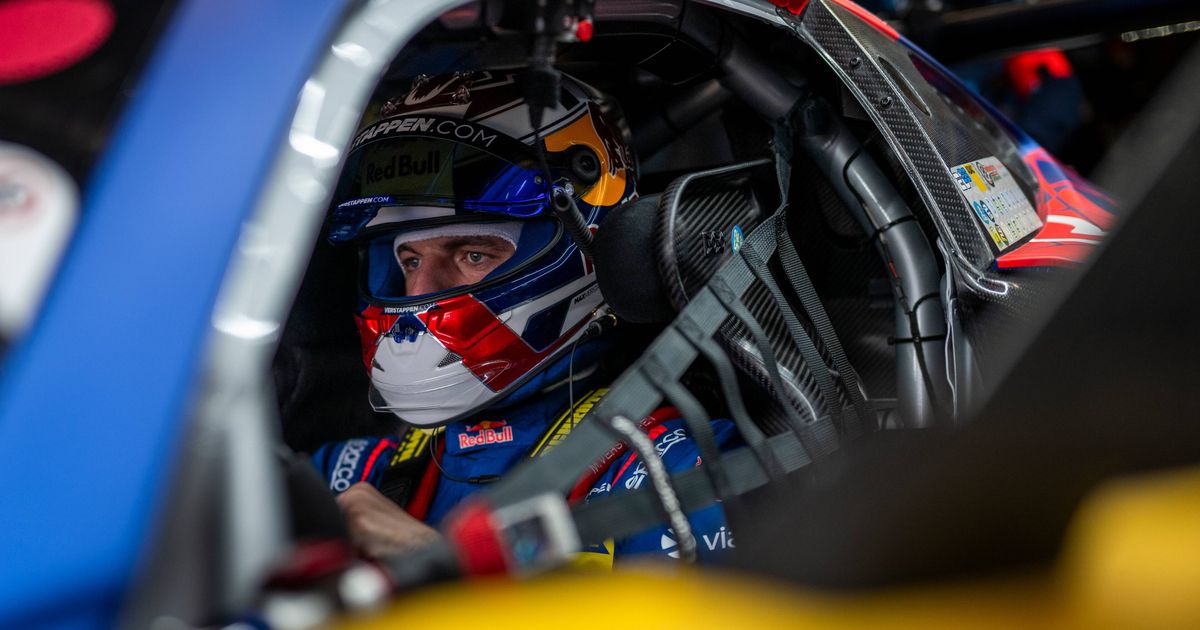
The numbers hit first like a skipped heartbeat on the Nordschleife telemetry feed. Max Verstappen carved from tenth to the outright lead in his Mercedes-AMG GT3 debut, carving out more than twenty five seconds of clear air before the first pit cycle. Those lap deltas do not flatter narrative spin. They expose a driver still reading the track through feel rather than filtered telemetry overlays.
The Climb That Timing Data Cannot Script
Verstappen took the wheel from Dani Juncadella already sitting tenth for Winward Racing. Within minutes the raw sector traces told a different story. He posted consistent sub two minute laps while threading traffic that had bottled the field moments earlier. The margin ballooned past twenty five seconds precisely because he ignored the safe delta lines the engineers prefer and trusted the steering weight instead.
- Traffic clearing cost early tenths yet once the road opened the rain window rewarded the earlier aggression.
- A single off camber moment brushed the barrier after an early turn in, yet the following three laps showed zero time loss, proof the reset was instantaneous.
- The Mercedes-AMG GT3 earned his quiet approval as simply good, the compromise between attack and survival holding without constant radio corrections.
These are not heroic flourishes. They are the sort of micro adjustments that appear on timing sheets long before any broadcast graphic catches them.
Schumacher's 2004 Echo in a Modern Endurance Seat
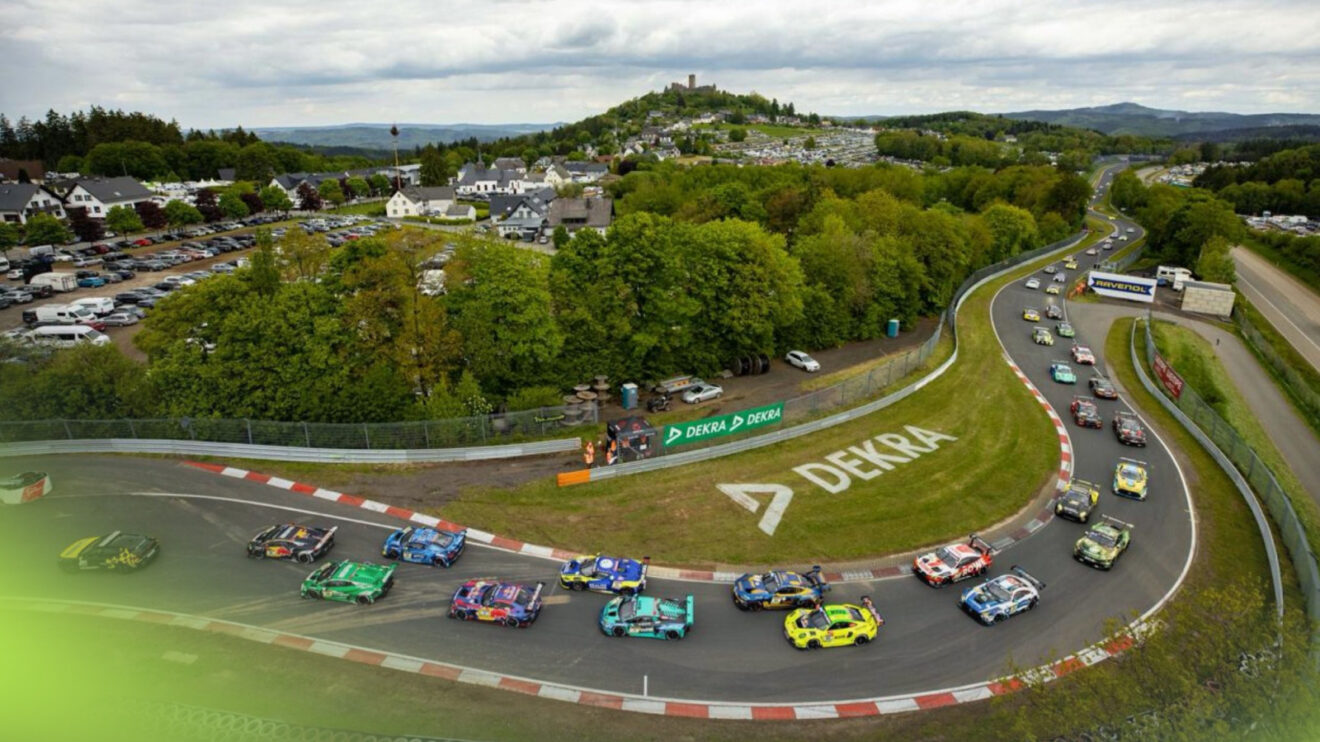
I keep returning to Michael Schumacher's 2004 season at Ferrari, the year every qualifying lap felt preordained because driver input still overrode the growing telemetry chorus. Verstappen's stint carries the same signature. He managed changing grip without waiting for the pit wall to green light a new mode. That autonomy is exactly what F1's coming five year data obsession threatens to erase. Algorithmic pit calls and predictive tire models will soon dictate every throttle application, turning drivers into high speed executors rather than interpreters. The Nürburgring still resists that future. Its weather and traffic refuse clean data models, forcing the kind of split second calibration Schumacher once made look routine.
You just have to keep yourself together and stay calm and just focus again.
The quote lands heavier when you overlay it against the lap trace that followed. No spike in steering angle variance, no sudden brake lock. Just the flat line of a driver who had already moved past the moment.
Night Stint Arithmetic and the Robotized Horizon
Jules Gounon now inherits the car for a double stint while rain looms again. The forecast alone guarantees the next timing sheets will feature larger variance bands than any simulator predicted. Verstappen's own night run will test whether the same feel survives fatigue. Modern F1 squads would already be feeding him target deltas calculated from twenty prior simulations. Here the track still demands he decide for himself.
Charles Leclerc's much discussed qualifying consistency from 2022 through 2023 offers a parallel warning. Ferrari's strategic overlays repeatedly masked the raw pace that timing sheets recorded. Verstappen's Nordschleife run shows the opposite pattern. When the driver is allowed to read the surface first, the numbers follow rather than lead. Within five years that order will invert across grand prix racing, producing sterile processions where intuition is treated as noise to be filtered.
The Final Trace
Verstappen's twenty five second buffer will almost certainly shrink under darkness and further showers, yet the initial data set already stands as evidence. Endurance events like the Nürburgring 24 Hours remain the last laboratories where lap times still function as emotional archaeology, revealing pressure responses no spreadsheet can pre write. Once F1 completes its march toward total algorithmic control, even those heartbeats will flatten into predictable lines. The timing sheets from this weekend already hint at what we stand to lose.
Join the inner circle
Get the deep dives and technical analysis from the world of F1 delivered to your inbox twice a week.
Zero spam. Only high-octane analysis. Unsubscribe anytime.
Continue Reading
View More News