2026 F1 energy management: The hidden complexity behind every lap
With a strict 4MJ battery but up to 9MJ deployable per lap, 2026 F1 cars demand intricate energy mapping. Teams now hold dedicated PU meetings, and rule tweaks in Miami aimed to ease lift-and-coast but introduced new compromises.
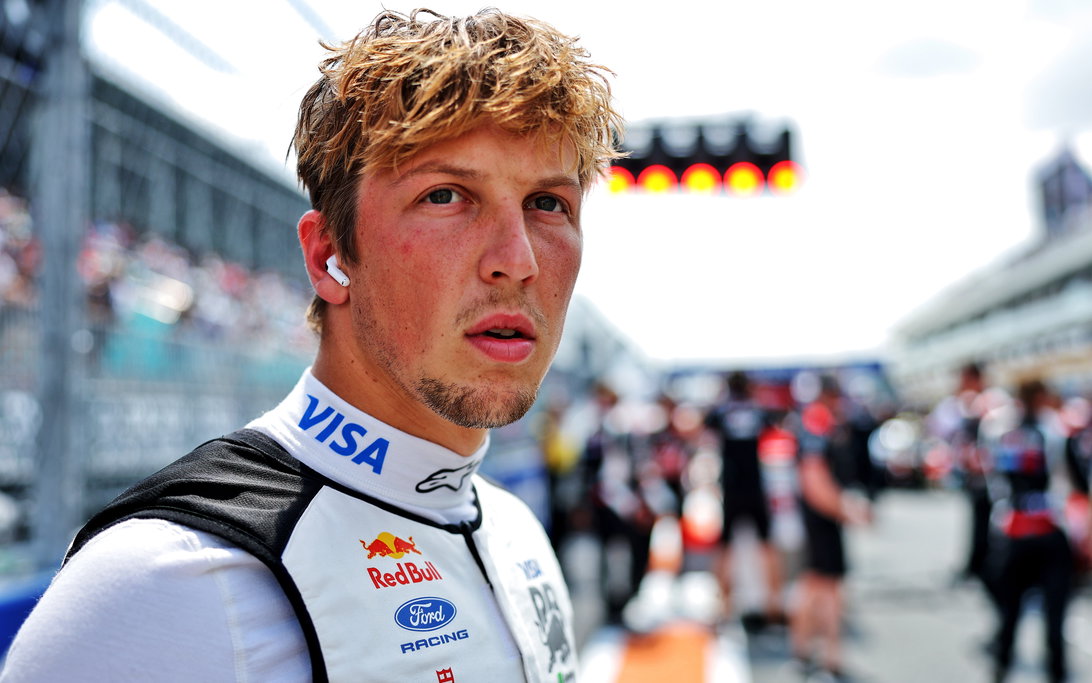
The 2026 Formula 1 regulations have introduced a new, invisible challenge: meticulously balancing electrical energy deployment and harvesting to hit the 'optimal lap.' With a 4-megajoule energy store but up to 9MJ deployable per lap depending on the circuit, drivers and engineers are constantly adjusting. Oliver Bearman revealed that Haas now holds a dedicated 30-45 minute power unit meeting every weekend – something unthinkable in 2025.
Why it matters:
This energy management puzzle fundamentally changes race strategy and driver workload. The FIA’s pre-race document details deployment limits and 'low-power zones' where harvesting is restricted to avoid dangerous speed differences. Getting the balance wrong means either running out of charge on straights or forcing drivers to lift-and-coast excessively.
The details:
- Circuit-specific mapping: Teams analyze straights, corners, and braking zones to identify where to harvest (losing speed) and where to deploy (gaining time). Bearman: “It’s a lot of numbers on a sheet… luckily we have a good group upstairs translating it for us mortals.”
- Rule tweaks in Miami: The FIA reduced the energy cap at some tracks (e.g., Montreal) where braking zones limit harvesting. This aimed to cut excessive lift-and-coast and 'super clipping' (motor running in reverse torque at full throttle to charge the battery).
- Trade-off: Haas head of car engineering Hoagy Nidd explained that reducing recovery also reduces peak speeds, making the drop-off less savage but costing overall lap time. “It’s introducing a problem to fix another problem,” he said.
- Super clipping & part-throttle: Under original parameters, cars would likely run out of charge on Montreal’s back straight, forcing super clipping before the Wall of Champions – harming spectacle and driver challenge.
What's next:
As teams gain experience, the energy management battle will evolve. Bearman noted they are “getting up to speed step by step.” Expect further FIA adjustments if the balance between spectacle and technical complexity doesn't satisfy drivers or fans.
Don't miss the next lap
Get the deep dives and technical analysis from the world of F1 delivered to your inbox twice a week.
Zero spam. Only high-octane analysis. Unsubscribe anytime.
Join the inner circle
Get the deep dives and technical analysis from the world of F1 delivered to your inbox twice a week.
Zero spam. Only high-octane analysis. Unsubscribe anytime.
Continue Reading
View More News