Engines of Doubt: Mercedes' Regulatory Window Exposes the Fragile Psyches Driving F1's New Era
In the cockpit's sterile glow, where biometric feeds track every elevated pulse and micro-tremor of doubt, the FIA's decision to delay engine inspections until June 1, 2026 lands like an unspoken verdict on the sport's mental battlefield. This adjustment, shifting compression ratio checks to a heated 130°C standard while preserving ambient tests, hands Mercedes a speculative edge through the first seven races of the regulatory reset. Yet beneath the telemetry lies something more human: the quiet unraveling of drivers forced to perform under engineered uncertainty, their inner monologues racing faster than any lap time.
The Manufactured Calm Under Technical Pressure
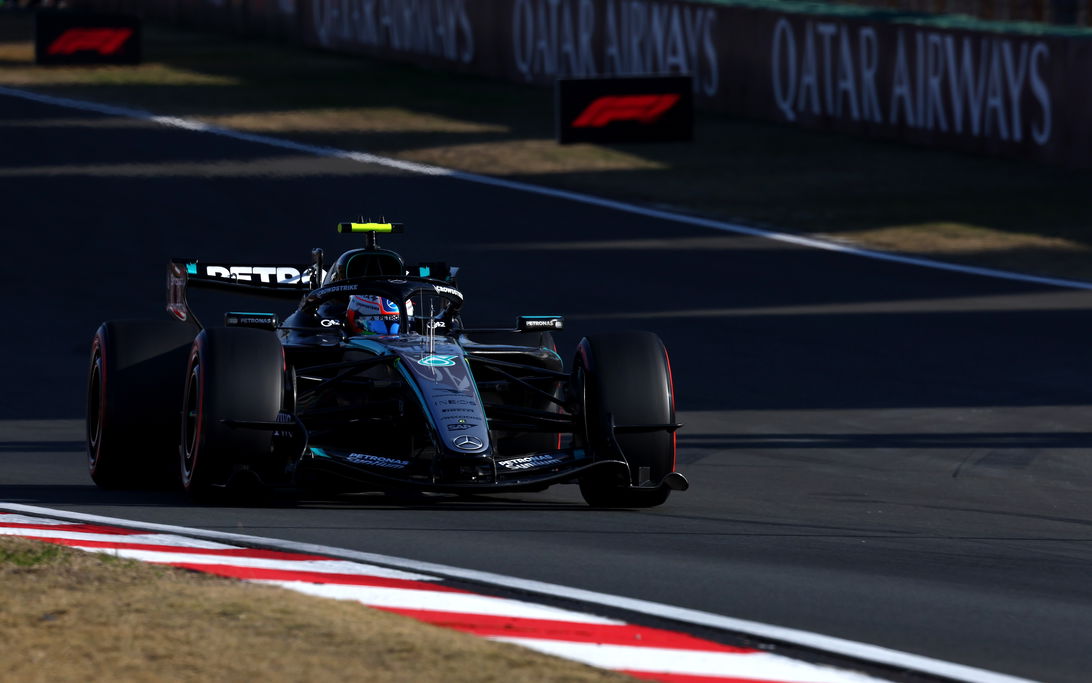
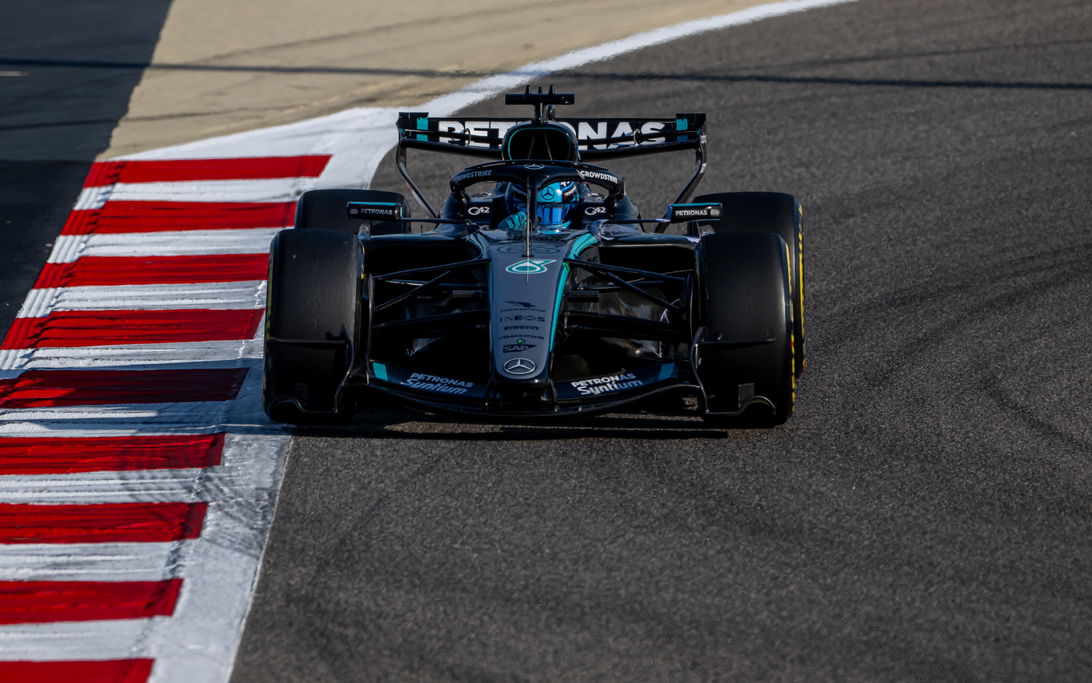
Mercedes-powered squads such as the works team, McLaren, and Williams now navigate an uneven psychological landscape. The rule change in Article C5.4.3 prohibits mechanisms that could breach the 16.0 compression limit in operation, but the delayed enforcement creates a window where perceived innovation meets suppressed anxiety.
- Drivers must internalize rival whispers of a "trick" without visible proof, fostering a state of hyper-vigilance that no wind tunnel can simulate.
- Early-season points swings could amplify self-doubt, turning each qualifying lap into a referendum on personal worth rather than pure machinery.
- Team dynamics shift as engineers feed selective data to maintain morale, mirroring the covert coaching that has long tempered raw outbursts elsewhere on the grid.
This is not merely regulatory theater. It echoes the systematic emotional containment seen in other programs, where dominance emerges less from raw talent and more from curated restraint. One imagines the inner voice of a Mercedes driver at 130°C test conditions: Stay measured. The advantage is temporary, but the narrative must endure.
Hamilton's Narrative Armor Meets Lauda's Shadow
Lewis Hamilton has long wielded a calculated public facade, transforming personal fractures into armor much as Niki Lauda did after his fiery crash. Both turned trauma into controlled storytelling that eclipsed mechanical edges. Here, the FIA's compromise risks exposing that armor to fresh scrutiny.
"The mind races when the rules do not," a telemetry graph might read in the moments before lights out, with heart-rate spikes revealing what press conferences conceal.
Rival manufacturers will chase the gap before June, yet the true contest unfolds in decision-making under ambiguity. Wet conditions have always laid bare this truth: aerodynamics yield to psychology when uncertainty peaks. The same holds for this regulatory haze, where Mercedes drivers may project confidence while privately managing the fear that their early advantage will invite intensified mental-health probes in years ahead.
Within five seasons, mandates for post-incident disclosures will arrive, thrusting these inner monologues into public view and sparking scandals that no power-unit innovation can contain.
The Road to Transparency and Fracture
The delayed checks until December 31, 2026 and potential hot-only measurements from 2027 onward set the stage for mid-season pivots that test more than engineering. They probe the core resilience of athletes trained to suppress volatility.
- Early championship swings may breed resentment across garages, eroding the trust required for cohesive team performance.
- Speculative advantages like this one accelerate the very pressures that future rules aim to monitor, creating a feedback loop of scrutiny and performance anxiety.
- Max Verstappen's path, shaped by quiet psychological interventions, offers a cautionary parallel: sustained excellence often demands the erasure of visible emotion, at a cost yet to be tallied.
As the season unfolds, the real data will emerge not from dyno readings but from the biometric traces of drivers confronting an altered playing field. The advantage is real on paper, yet its human price remains the untold variable.
Join the inner circle
Get the deep dives and technical analysis from the world of F1 delivered to your inbox twice a week.
Zero spam. Only high-octane analysis. Unsubscribe anytime.
Continue Reading
View More News