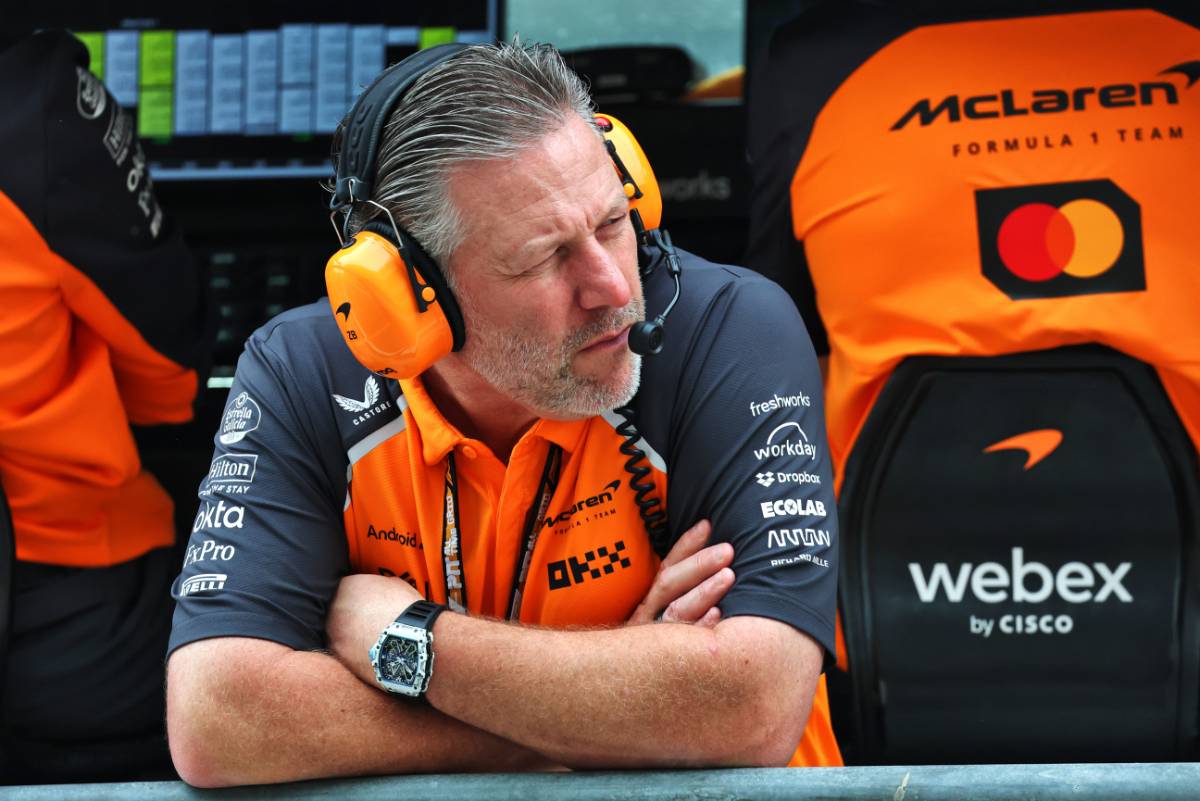
Brown warns cozy F1 team alliances threaten sporting fairness
McLaren's Zak Brown warns that close technical and ownership ties between F1 teams, like Red Bull-Racing Bulls and Haas-Ferrari, create an unfair sporting and financial advantage. He argues these alliances allow for rapid personnel and IP transfer, undermining the cost cap and competition, and could damage fan trust in the sport's fairness.
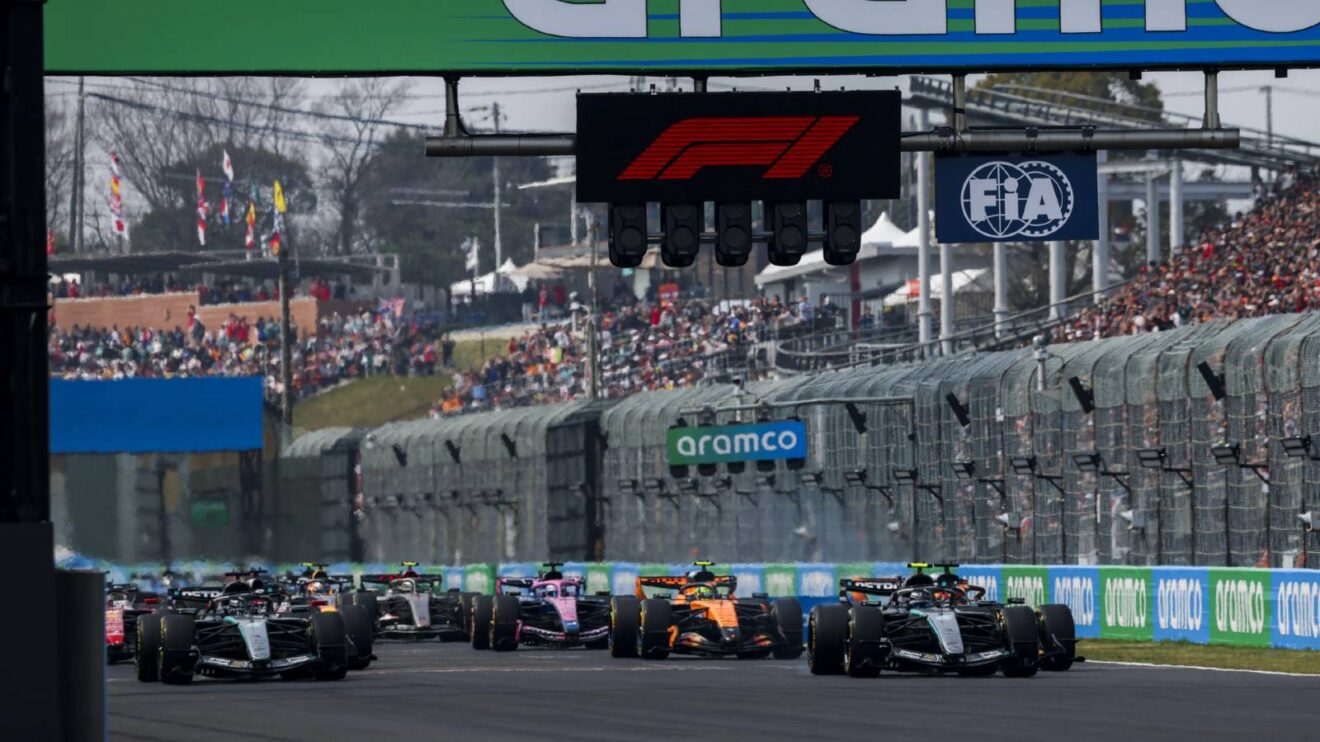
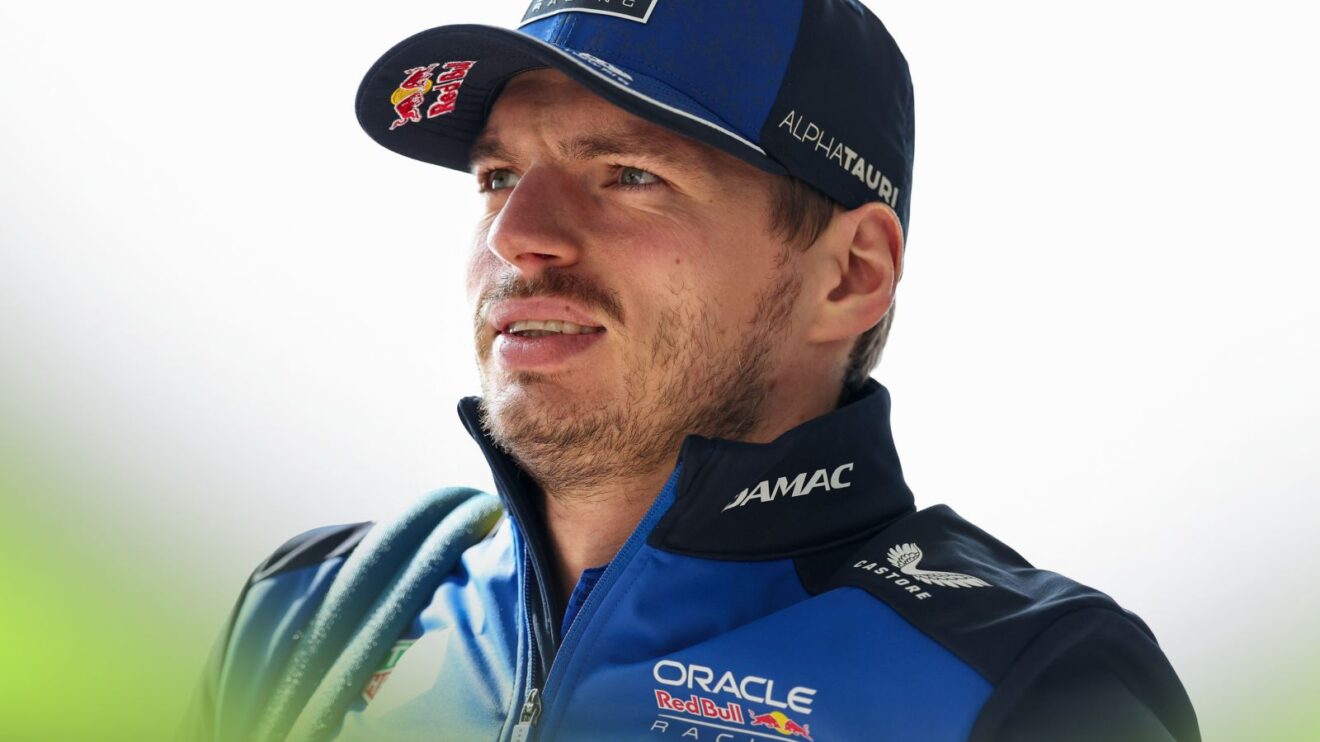
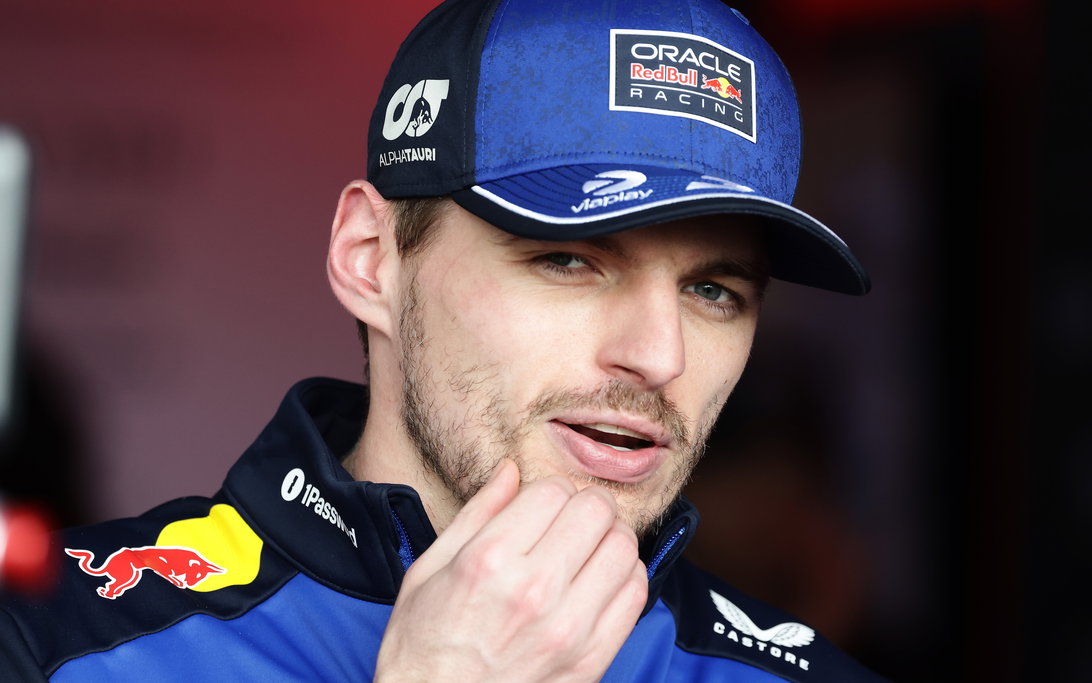
McLaren CEO Zak Brown has reignited the debate over Formula 1's "A-team/B-team" dynamics, arguing that close partnerships and co-ownership between outfits risk compromising the sport's integrity and alienating fans. He points to recent personnel moves between Red Bull and Racing Bulls, the Haas-Ferrari link, and Mercedes's potential stake in Alpine as examples of a system that creates an uneven playing field for independent teams.
Why it matters:
In the hyper-competitive, cost-capped era of F1, even minor advantages can dictate championship fortunes. Brown contends that cozy alliances allow for the swift transfer of personnel and intellectual property that independent rivals cannot access, undermining the core principle of sporting fairness. If fans perceive the competition as manipulated or pre-determined, it could damage F1's credibility and global appeal.
The details:
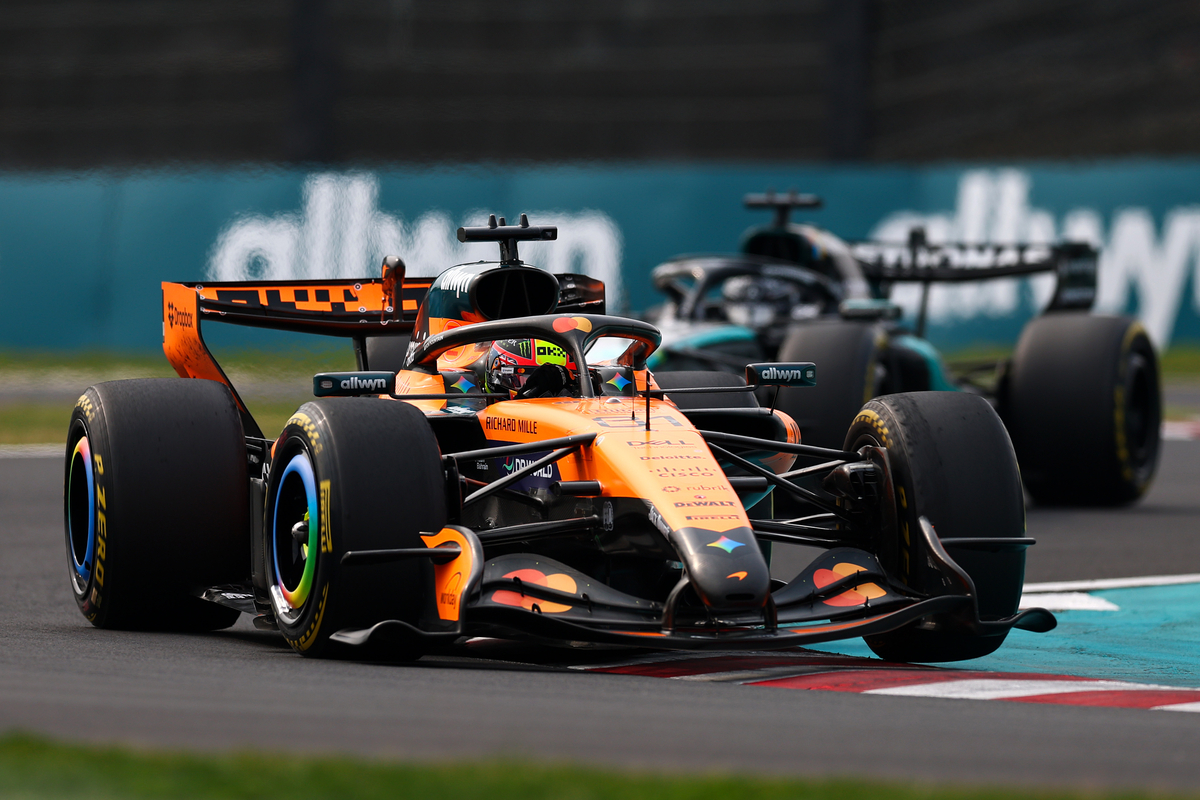
- Brown cites specific on-track incidents as evidence of compromised fairness, including Daniel Ricciardo taking a fastest lap point from McLaren in Singapore 2024 to aid Red Bull's sister team.
- He highlights the disparity in personnel movement, noting McLaren faces a long wait for a Red Bull engineer while Andrea Landi recently moved from Racing Bulls to Red Bull Racing after just ten weeks.
- Financial and Sporting Advantage: Seamless staff transfers between allied teams can circumvent "gardening leave" and financial compensation, providing an unfair cost cap advantage. Brown argues intellectual property often resides "in your head," making such moves particularly impactful.
- Historical Precedent: He references the 2020 Racing Point/Aston Martin "brake duct" case as a past example of IP violation stemming from close technical partnerships.
- Brown uses a Premier League analogy, questioning the integrity of a match where two teams owned by the same entity compete, with one potentially able to afford a loss to help the other.
What's next:
Brown is pushing for stricter regulations in the next Concorde Agreement, F1's governing document, to enforce greater team independence. While he acknowledges the historical context of investments like Red Bull's, he believes the sport must move away from co-ownership. He suggests the FIA's awareness and monitoring of these issues have increased, and maintains an open dialogue with figures like Racing Bulls CEO Laurent Mekies. The ultimate goal, from Brown's perspective, is a grid of 11 truly independent constructors to preserve the sport's competitive integrity for the long term.
Don't miss the next lap
Get the deep dives and technical analysis from the world of F1 delivered to your inbox twice a week.
Zero spam. Only high-octane analysis. Unsubscribe anytime.
Join the inner circle
Get the deep dives and technical analysis from the world of F1 delivered to your inbox twice a week.
Zero spam. Only high-octane analysis. Unsubscribe anytime.
Continue Reading
View More News