Coulthard: Webber's step back from Piastri role a 'natural development'
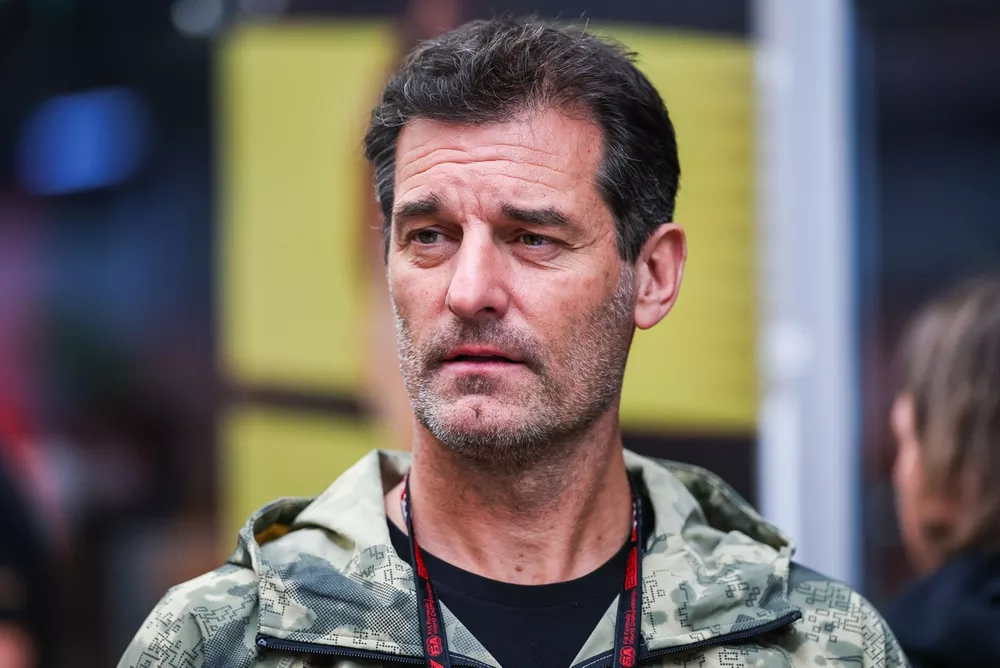
David Coulthard says Mark Webber's move away from a trackside role for Oscar Piastri is a logical step after the former driver helped secure his McLaren seat and guide him through a debut championship fight, noting the driver must ultimately 'get out there and do their own thing.'
Former F1 driver David Coulthard has framed Mark Webber's decision to step back from his trackside manager role for Oscar Piastri as a logical evolution, suggesting Webber and his wife Ann had already done the heavy lifting to establish the young Australian at McLaren and through his first title fight. Coulthard emphasized that after such an intense initial phase, it's natural for a manager to transition to a more background, commercially-focused role as the driver matures and must ultimately perform alone in the cockpit.
Why it matters:
The manager-driver relationship in Formula 1 is crucial, especially for rookies navigating the sport's immense pressure and politics. Webber's shift highlights a potential model for success: intense, hands-on guidance to secure a top seat and survive early career battles, followed by a strategic pullback to let the driver fully own their performance and development. This evolution speaks to the changing needs of a driver as they transition from a prospect to an established grand prix winner and title contender.
The details:
- Coulthard credits Webber and his wife with orchestrating Piastri's pivotal career move, not just onto the F1 grid, but specifically to McLaren instead of Alpine, where a contract dispute previously loomed.
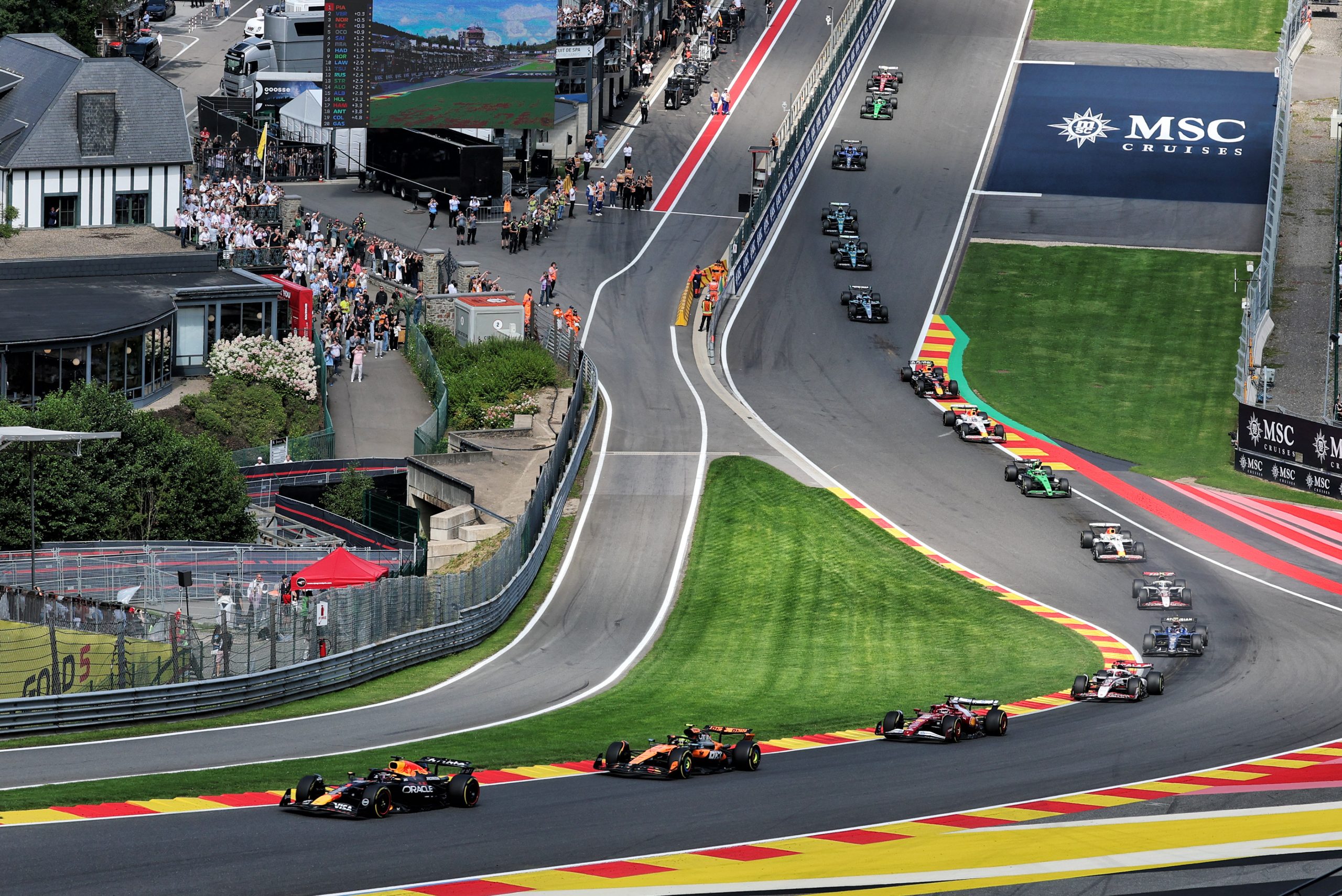
- He pointed to the intense 2024 season, where Piastri fought for his first world championship against teammate Lando Norris under McLaren's 'papaya rules' (allowing racing but preventing collisions), as a formative period where Webber was deeply involved "in the trenches."
- Coulthard, referencing his own experiences with team orders, acknowledged that while McLaren's policy to let its drivers race was best for the sport's fans, it placed both drivers and their management teams in a high-stakes, public spotlight.
- The core of Coulthard's argument is that after navigating these major hurdles—seat placement and a maiden title campaign—no manager can be in the car with the driver. The natural next step is for the driver to assume full responsibility for their on-track performance.
What's next:
With Webber now focusing on commercial affairs, Oscar Piastri enters a new phase of his career with greater independence. The foundation has been set: he is a proven race-winner and championship contender at a top team. The challenge ahead is to convert that foundation into a world title, a task he must now lead more autonomously. This transition will test Piastri's development as a complete driver, while Webber's continued managerial support from a different angle aims to secure his long-term success and marketability off the track.
Don't miss the next lap
Get the deep dives and technical analysis from the world of F1 delivered to your inbox twice a week.
Zero spam. Only high-octane analysis. Unsubscribe anytime.
Join the inner circle
Get the deep dives and technical analysis from the world of F1 delivered to your inbox twice a week.
Zero spam. Only high-octane analysis. Unsubscribe anytime.
Continue Reading
View More News