F1 Drivers React to 60-40 Power Unit Split: A Step Forward, But Not the Fix
As F1’s 2026 power unit regulations take effect, drivers give mixed reviews on the new 60-40 deployment split. While most welcome the move as progress, many argue it falls short of fully addressing the sport's racing issues.
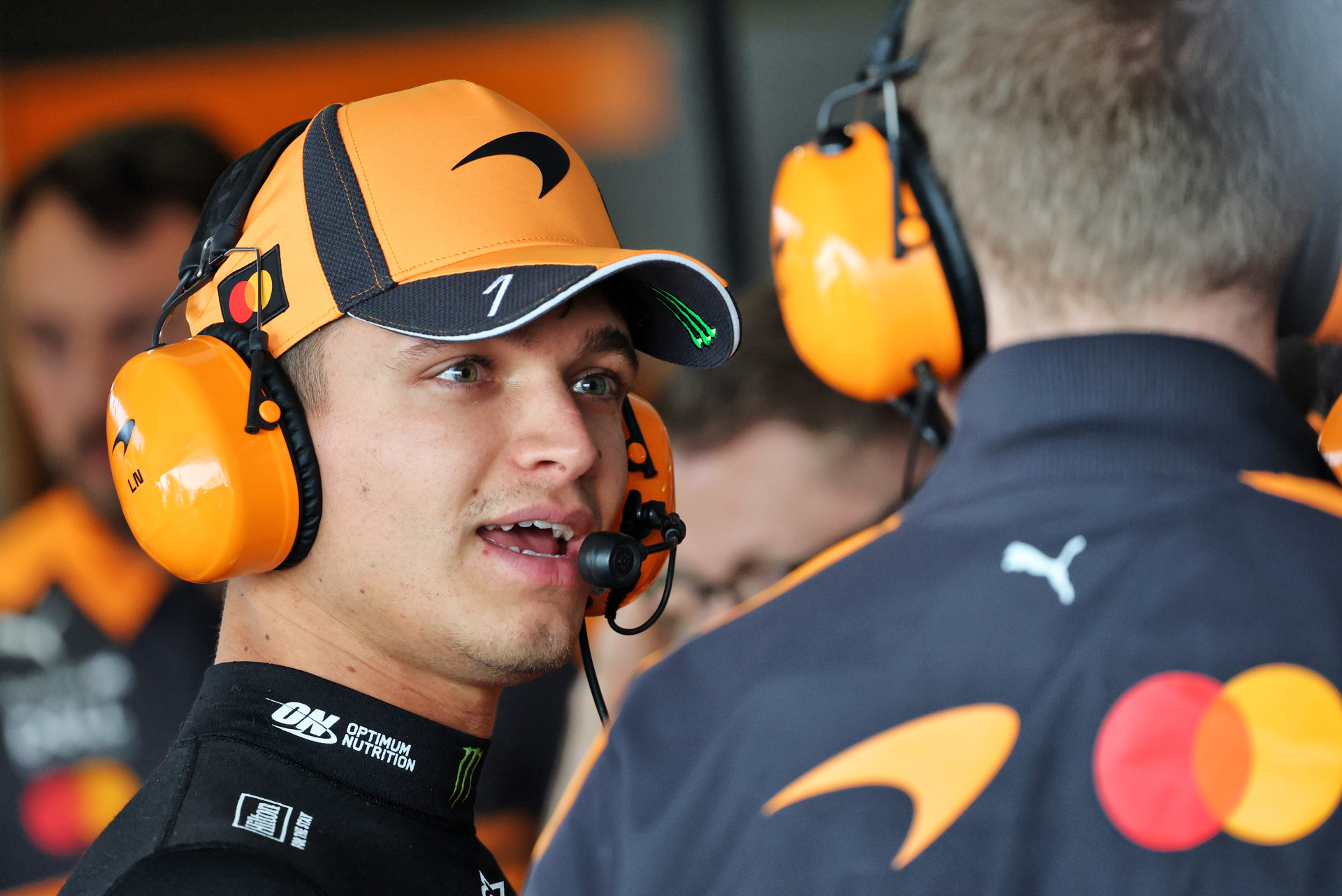
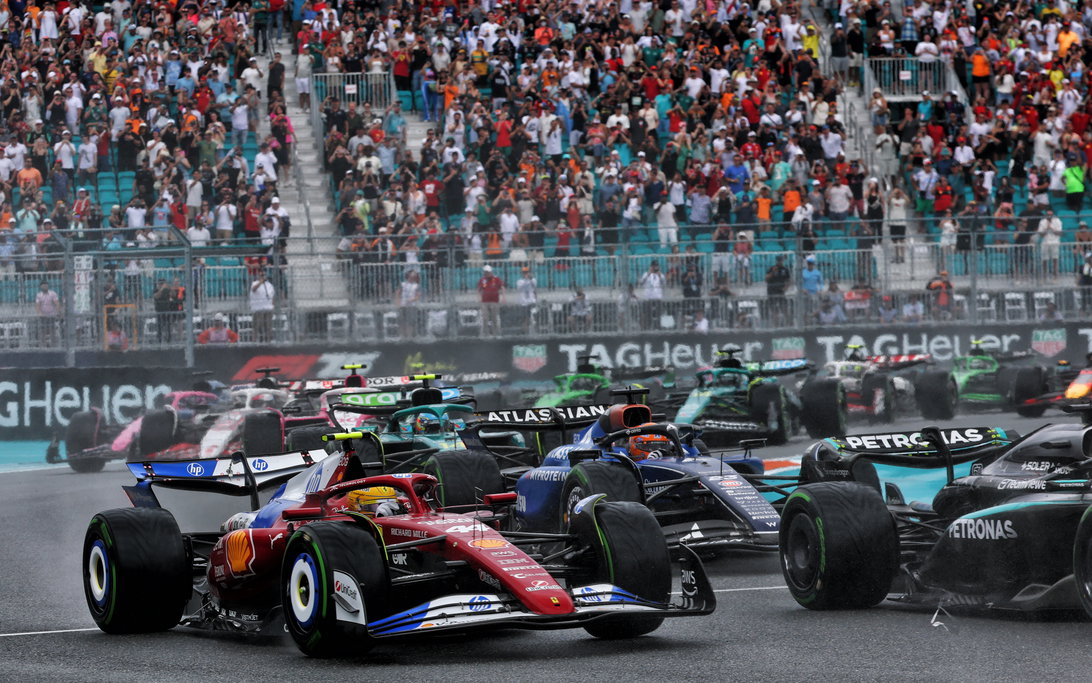
F1 drivers are largely supportive of the recent shift toward a 60-40 power unit deployment split, but many see it as an incremental improvement rather than a cure-all. The change aims to reduce the reliance on energy management and promote more natural racing, yet concerns remain over whether it will truly eliminate the strategic quirks that have defined the ground-effect era.
Why it matters:
Driver feedback is critical as the FIA and F1 continue to refine the 2026 regulations. The current generation of cars has been criticized for forcing drivers to lift early or nurse battery levels, and this split is a direct attempt to address those complaints. However, the gap between 'better' and 'fixed' could determine whether the sport's racing product meets expectations for years to come.
The details:
- Lando Norris and Max Verstappen both called the change a "step in the right direction," with Verstappen noting it is "the minimum I was hoping for."
- Oscar Piastri was more measured: "It's a step, but it's not the fix. No matter what the split, you're going to have troubles opening a qualifying lap."
- Carlos Sainz expressed a purist view: "For us drivers that will never be enough. Electrical should be an add-on, not a dependency."
- Fernando Alonso delivered a blunt verdict: "The DNA of these power units will always reward going slow in the corners."
- Several drivers, including Charles Leclerc and Alex Albon, emphasized the complexity of finding a solution that works fairly for all teams.
What's next:
The 60-40 split is now part of the 2026 power unit rules, but further adjustments are likely. Drivers expect more fine-tuning as the season progresses, and many hope for a longer-term move toward simpler, more ICE-dominant engines by 2030. Until then, the sport will continue to balance technology with the raw racing fans crave.
Don't miss the next lap
Get the deep dives and technical analysis from the world of F1 delivered to your inbox twice a week.
Zero spam. Only high-octane analysis. Unsubscribe anytime.
Join the inner circle
Get the deep dives and technical analysis from the world of F1 delivered to your inbox twice a week.
Zero spam. Only high-octane analysis. Unsubscribe anytime.
Continue Reading
View More News