F1 Grand Prix Contracts: From Immediate Jeopardy to 2041 Commitments
F1's 24-race calendar is set through 2031, but contract lengths reveal a stark divide. While historic European races face uncertainty or rotation, commercial powerhouses like Miami and Austria are secured until 2041, underscoring the sport's strategic pivot to long-term deals in key growth markets.
The return of the Turkish Grand Prix from 2027 has solidified a 24-race F1 calendar through 2031, but the long-term security of individual events varies dramatically, with some facing imminent expiration and others locked in for decades. While the Dutch Grand Prix at Zandvoort is on the chopping block after this season, venues like Miami and Austria's Red Bull Ring have deals stretching to 2041, highlighting the sport's shifting commercial priorities and regional strategies.
Why it matters:
The stability and composition of the F1 calendar are central to the sport's commercial health and global appeal. These contracts reflect a clear strategic shift: a move away from reliance on historic European circuits and toward long-term partnerships in lucrative growth markets like the United States and the Middle East, while also introducing rotation models to manage calendar bloat.
The details:
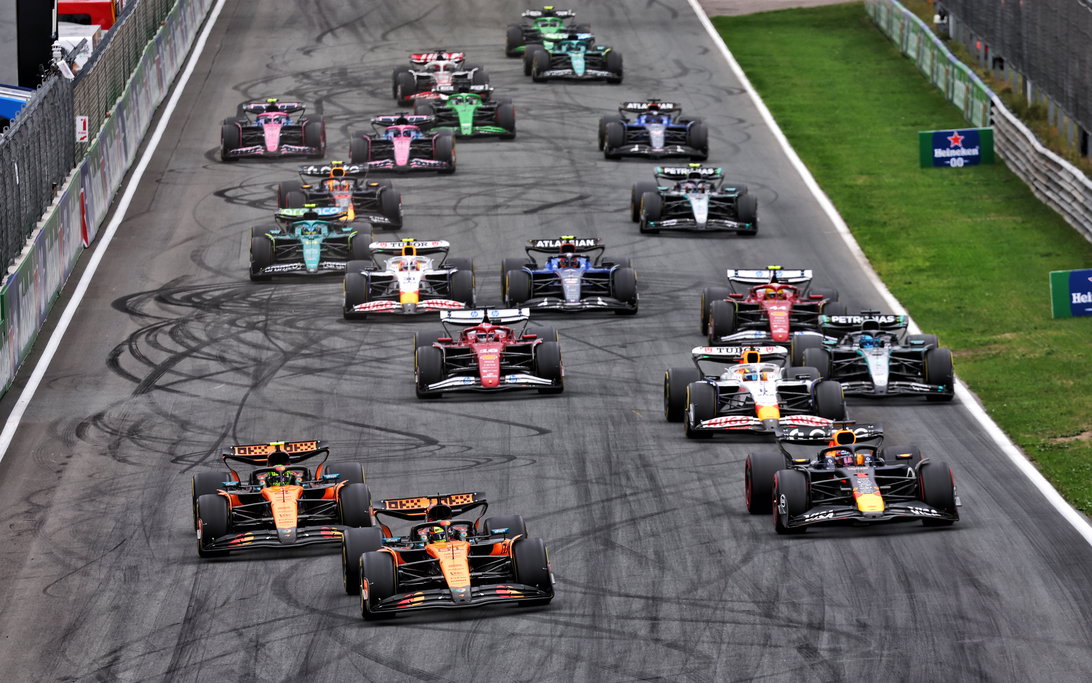
- At Immediate Risk: The Dutch Grand Prix at Zandvoort has the most precarious future, with its contract expiring after the 2026 season following only a single-year extension for 2025.
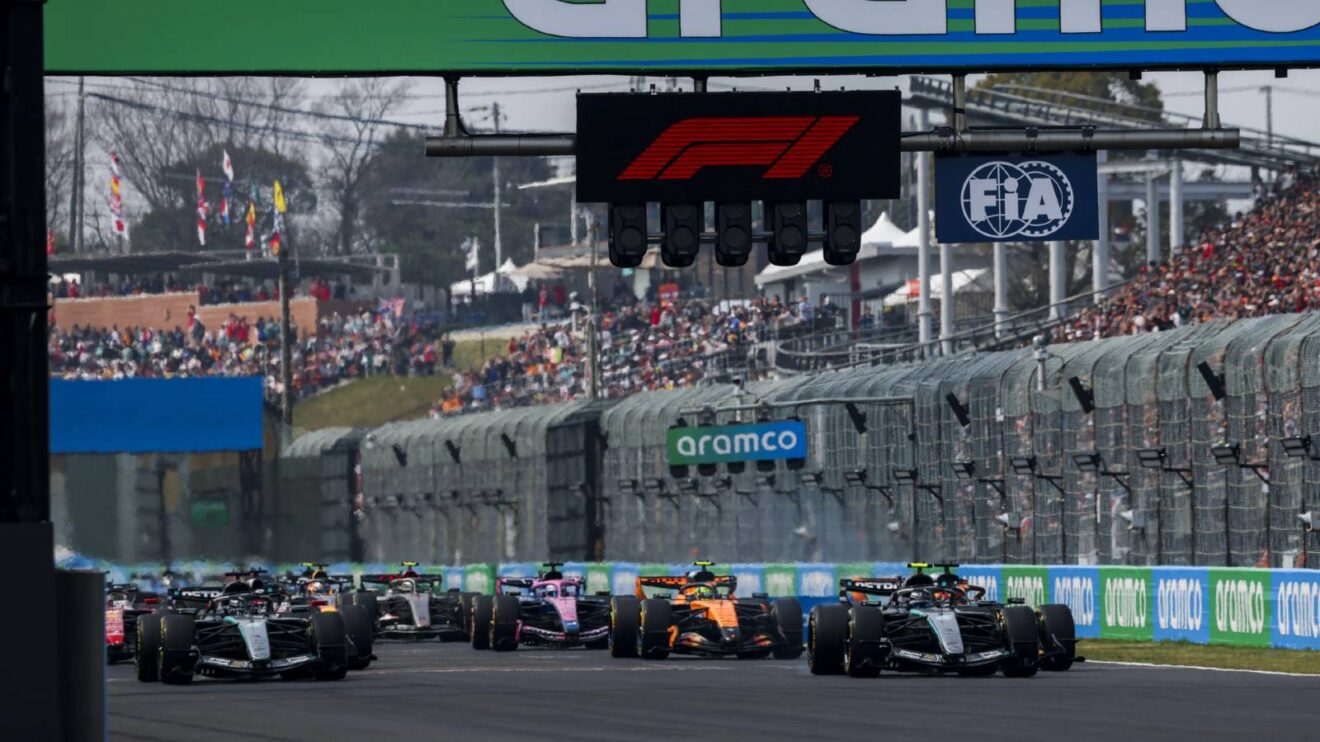
- Near-Term Expiries: The Las Vegas Grand Prix deal concludes in 2027, though its extension is considered likely given F1's commercial push in the U.S. Singapore (2028), Mexico City (2028), and Japan's Suzuka (2029) have contracts ending later this decade.
- Long-Term Security: Miami holds the longest commitment, locked in through 2041. Austria's Red Bull Ring recently matched that term with a new extension also running to 2041. Other long-haul deals include Australia (2037), Bahrain (2036), Monaco (2035), and Silverstone (2034).
- The 2030-31 Cluster: A large group of races have their current agreements concluding around 2030-31, including Saudi Arabia, Azerbaijan, Abu Dhabi, Brazil, Monza, and the newly confirmed Turkish Grand Prix, which signed a five-year deal from 2027-2031.
- Rotation Model: The classic Spa-Francorchamps and Barcelona circuits now operate under a biennial rotation agreement through 2031, sharing a single calendar slot to preserve their presence without overextending the schedule.
What's next:
The coming years will see significant churn as short-term deals expire, forcing circuits to renegotiate in an increasingly competitive and expensive market. Zandvoort's departure after 2026 seems almost certain, opening a slot that will be highly contested. The focus will remain on securing events in strategic growth areas, suggesting the calendar's center of gravity will continue to tilt away from its traditional European heartland toward the Americas, Middle East, and Asia.
Don't miss the next lap
Get the deep dives and technical analysis from the world of F1 delivered to your inbox twice a week.
Zero spam. Only high-octane analysis. Unsubscribe anytime.
Join the inner circle
Get the deep dives and technical analysis from the world of F1 delivered to your inbox twice a week.
Zero spam. Only high-octane analysis. Unsubscribe anytime.
Continue Reading
View More News