F1 holds emergency talks on 2027 power unit changes amid manufacturer standoff
F1 stakeholders meet in Montreal to resolve disagreements over shifting to a 60-40 combustion-to-electric split by 2027, with Ferrari, Audi and Honda blocking the FIA's proposal.
F1's proposed move to a 60-40 split between combustion and electric power for 2027 has hit a roadblock, prompting an additional round of talks during the Canadian Grand Prix weekend. Four of six manufacturers must agree for the change to pass, but Ferrari, Audi and Honda have voted against the FIA's current plan, forcing negotiations over timing and implementation.
Why it matters:
The 2026 power unit regulations – with their near-50:50 split – have created battery-driven racing that forces drivers to lift and coast even in qualifying, raising safety concerns and diluting the sport's appeal. A shift to 60-40 would increase the V6's output by roughly 50kW, restoring more natural throttle-on racing. But with 2027 car projects already underway, the FIA must balance technical ambition with financial and logistical reality.
The details:
- Disagreement on timing: While all parties agree in principle on a 60-40 split, Ferrari and others argue a delay to 2028 is more realistic. Changing fuel flow and tank capacity for 2027 could force several teams to redesign chassis that were meant to be carried over.
- ADUO system clash: The Additional Development and Upgrade Opportunities – a catch-up mechanic for underperforming manufacturers – is meant to be separate from the 60-40 discussions, but hardware changes would inevitably overlap with existing ADUO allowances, straining engineering resources.
- Cost concerns: Haas team principal Ayao Komatsu warned that even with a raised cost cap, changes could cost each team $5-10 million. "That's certainly not the right direction," he said.
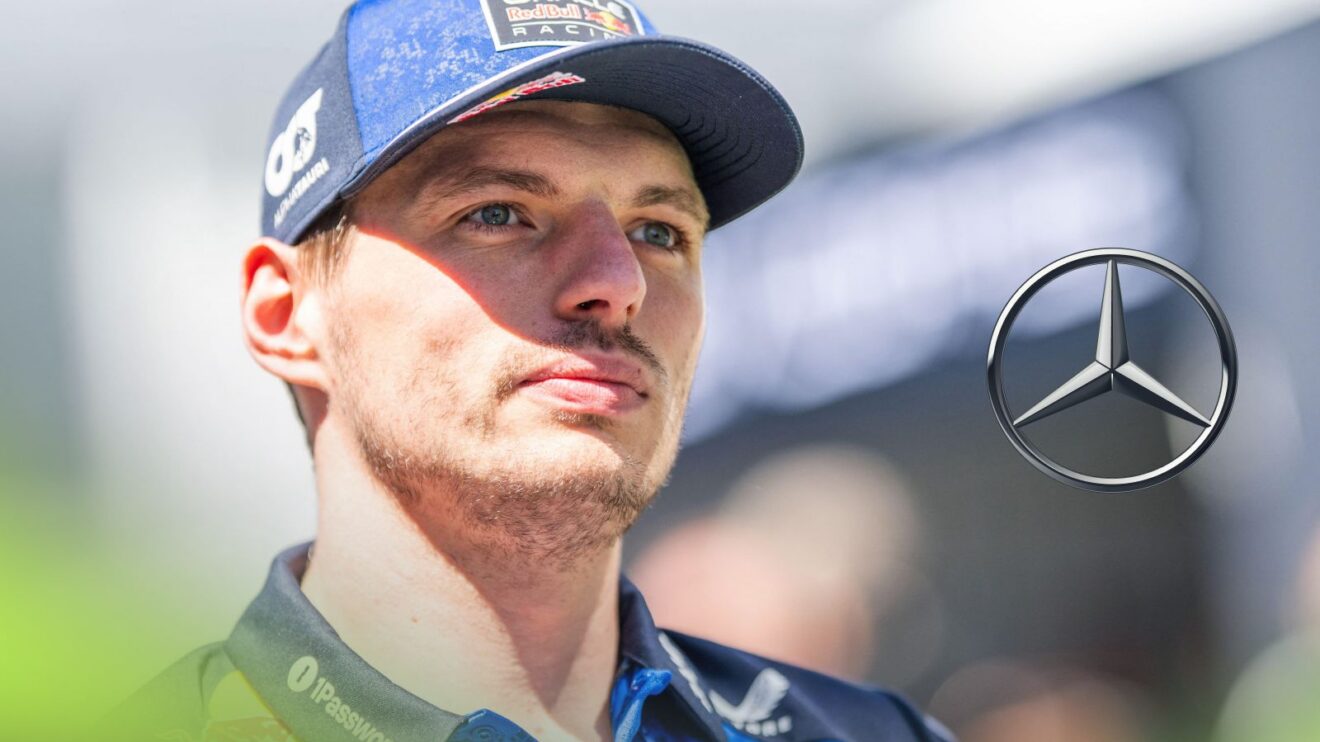
- Driver support: Carlos Sainz urged the FIA to "be tough" and stand firm for the sport. Max Verstappen called the proposal "the minimum I was hoping for" and said it would "definitely" help him stay in F1.
What's next:
The Montreal paddock talks aim to resolve the finer details – particularly the exact fuel flow increase and the timeline. A first round of ADUO concessions is expected after this weekend's race. If manufacturers cannot reach consensus by the fall, meaningful change for 2027 becomes increasingly unlikely, pushing the fix to 2028.
Don't miss the next lap
Get the deep dives and technical analysis from the world of F1 delivered to your inbox twice a week.
Zero spam. Only high-octane analysis. Unsubscribe anytime.
Join the inner circle
Get the deep dives and technical analysis from the world of F1 delivered to your inbox twice a week.
Zero spam. Only high-octane analysis. Unsubscribe anytime.
Continue Reading
View More News