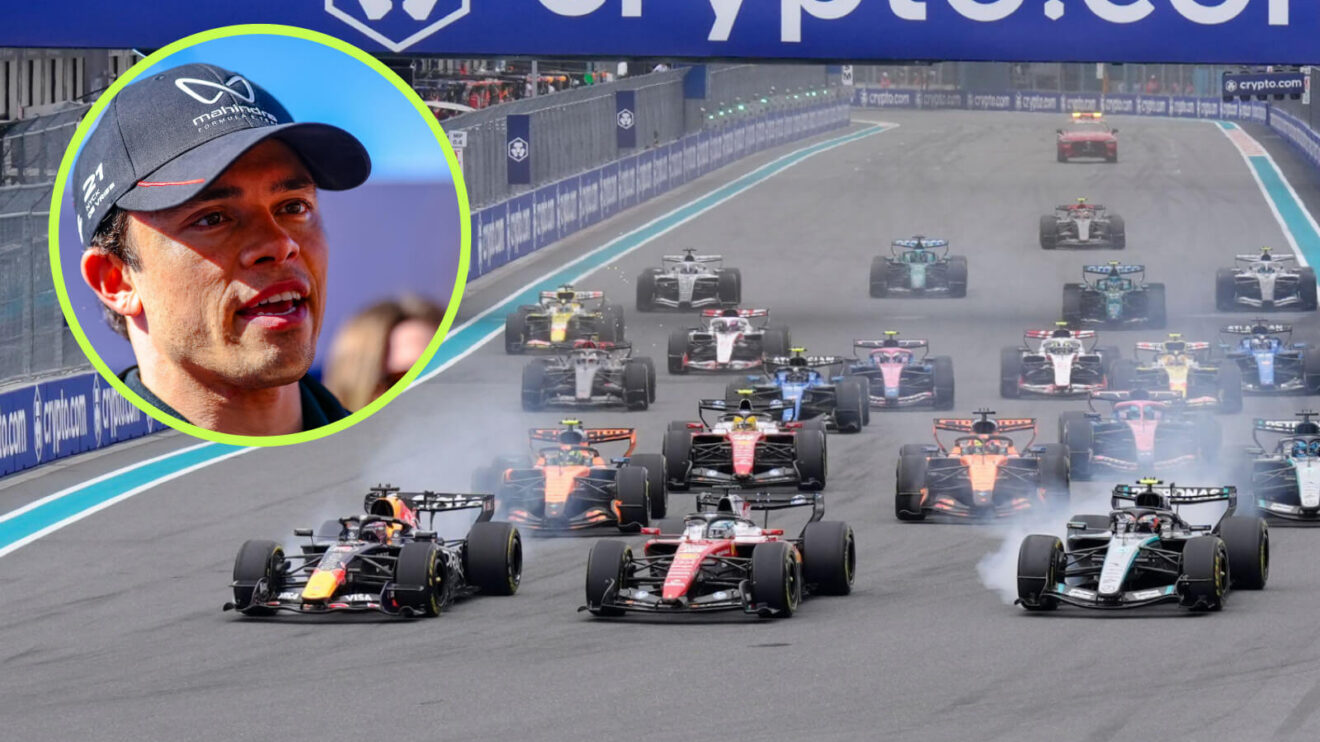
F1’s Formula E debate deepens as Nyck de Vries backs electric direction
Nyck de Vries pushes back on driver criticism of F1's 2026 electrical regulations, arguing Formula E and F1 are separate branches and electric power doesn't diminish the sport.
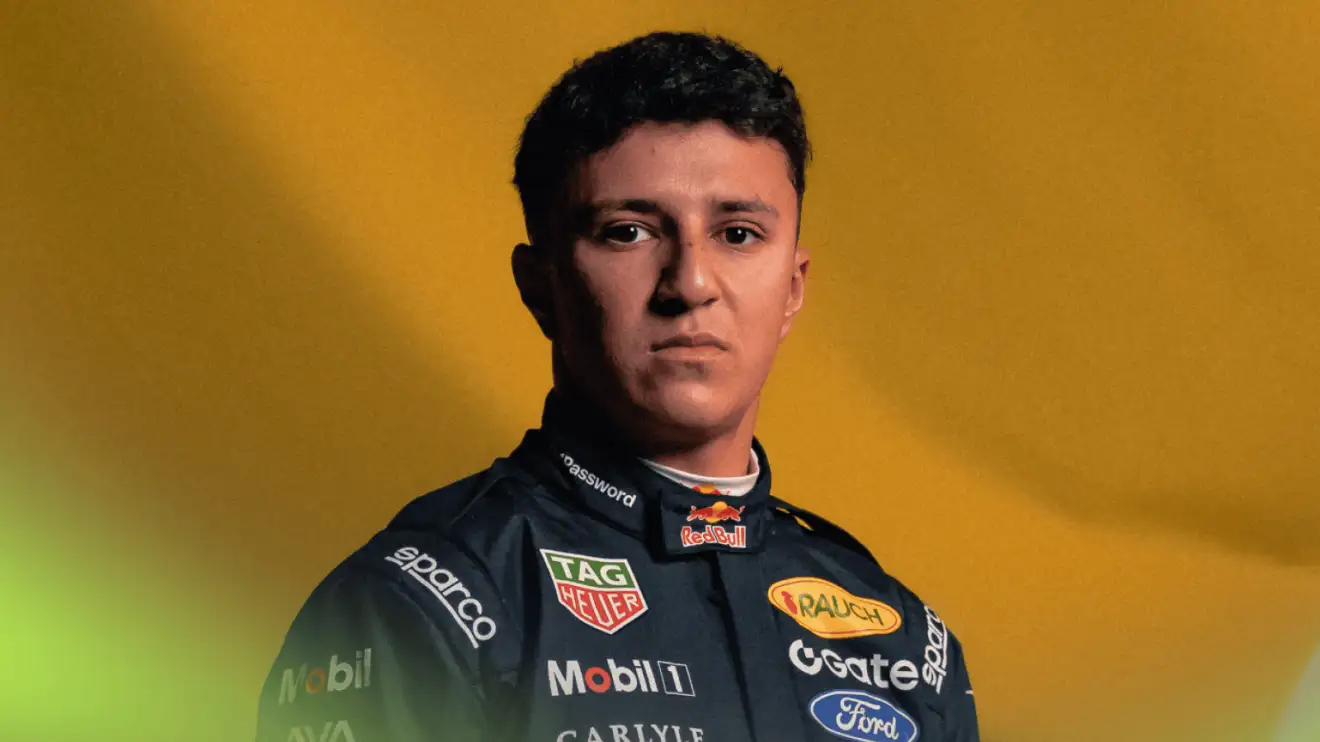
Despite widespread driver complaints that F1's 2026 power unit regulations make the cars feel like “Formula E on steroids,” McLaren reserve driver Nyck de Vries has backed the sport's electrical direction. The Dutchman, who has competed in both Formula 1 and Formula E, sees no reason the two series cannot coexist — and even learn from each other.
Why it matters:
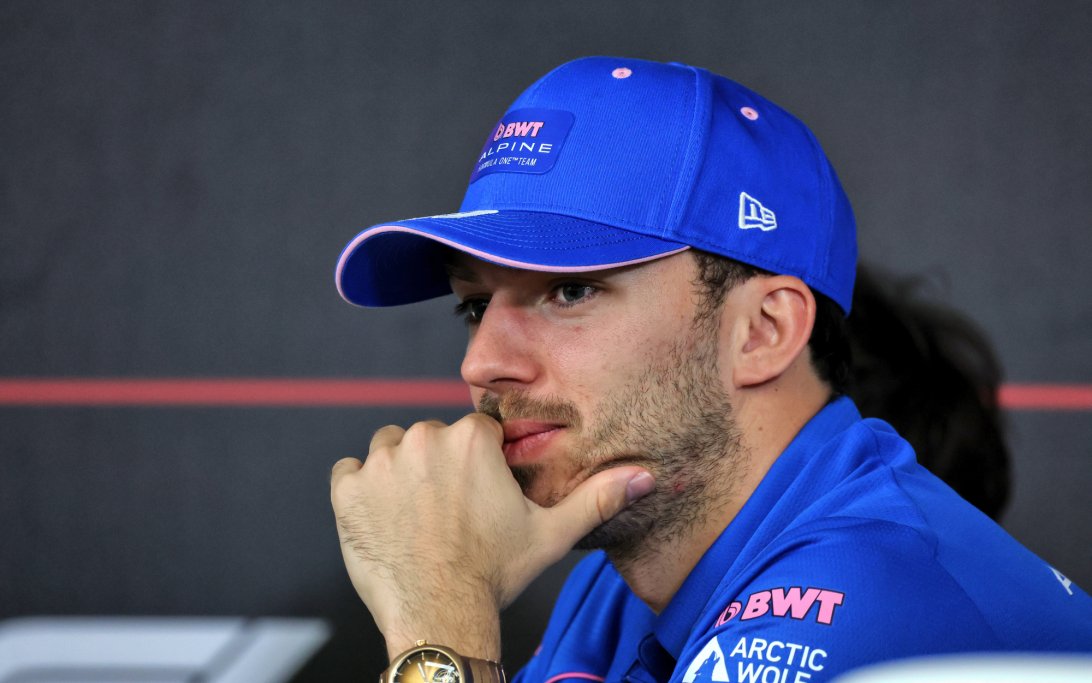
The debate over F1's electrical future is central to its identity. Drivers like Max Verstappen fear losing the 'pure' racing DNA, while the FIA and teams push for sustainability and road relevance. De Vries' perspective adds nuance: technical crossover doesn't mean the sport becomes the same.
The details:
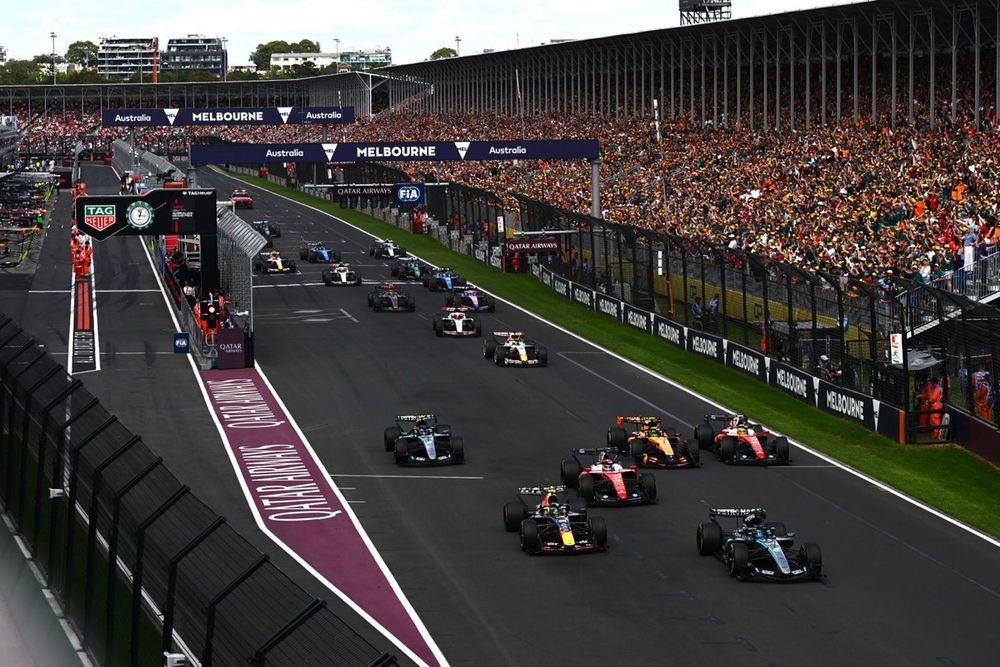
- F1 introduced a 50/50 split between combustion and battery power for 2026, with power boosts. But issues like battery harvesting and lift-and-coast drew sharp criticism from drivers.
- The FIA responded with tweaks before the Miami Grand Prix: maximum recharge cut from 8MJ to 7MJ in qualifying, peak super clip power raised to 350 kW, and boost power capped at +150 kW during races.
- Drivers called the changes a step forward but said more is needed. Hardware changes for a 40/60 energy split will have to wait until 2027.
- Nyck de Vries told GPBlog he understands the complaints but doesn't share them: “Personally, I find the overtakes I’ve seen very artificial.” Yet he added, “You shouldn’t compare Formula E with Formula 1. On a technical level there’s something to learn, but in sporting terms they’re not even close.”
- Meanwhile, FIA president Mohammed Ben Sulayem has vowed to bring back V8 engines with minimal electrification by 2030 or 2031, a radical shift from the current direction.
What's next:
F1 will continue to refine its power unit rules. The next hardware update is targeted for 2027, which could further rebalance electrical versus combustion power. Ben Sulayem's V8 proposal, if realized, would mark a major reversal — but for now, the sport remains committed to its hybrid-electric path.
Don't miss the next lap
Get the deep dives and technical analysis from the world of F1 delivered to your inbox twice a week.
Zero spam. Only high-octane analysis. Unsubscribe anytime.
Join the inner circle
Get the deep dives and technical analysis from the world of F1 delivered to your inbox twice a week.
Zero spam. Only high-octane analysis. Unsubscribe anytime.