F1's New Track-by-Track Qualifying Energy Limits Revealed
F1 has introduced circuit-specific energy recharge limits for qualifying, replacing a fixed cap. The new system tailors the maximum allowed energy recovery per lap—from 5MJ at Monza to 9MJ at Monaco—based on each track's characteristics to prevent unnatural battery-boosting tactics and ensure fair competition.
Formula 1 has implemented a new, variable energy recharge limit for qualifying sessions, with the maximum allowed amount now differing at each circuit based on how easy it is to harvest energy. The change, which adjusts the baseline limit down from 8MJ to 7MJ for certain tracks, is designed to prevent excessive battery-boosting tactics and ensure cars fit each venue's characteristics, resulting in limits ranging from a low of 5MJ at Monza to a high of 9MJ at Monaco.
Why it matters:
This nuanced approach to energy management is crucial for maintaining competitive integrity and spectacle in qualifying. A one-size-fits-all limit would force teams into unnatural harvesting strategies at tracks where energy recovery is difficult, potentially distorting performance. By tailoring the limit, the FIA aims to create a more balanced and authentic competition where car performance, not energy hoarding tactics, decides the grid.
The details:
- The recently announced reduction of the recharge limit to 7MJ per lap for qualifying is a baseline figure that gets adjusted up or down for each Grand Prix venue.
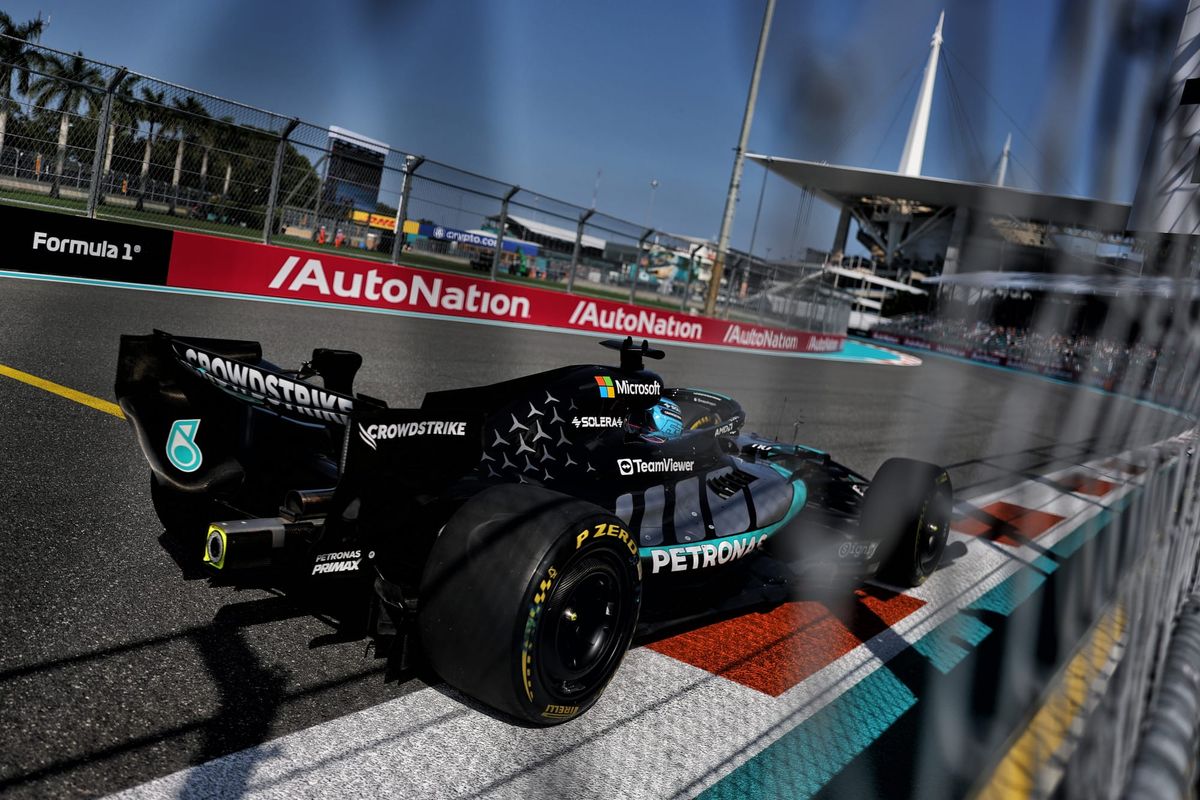
- The limit for the Miami GP was set at 8MJ, which initially seemed contradictory but was actually a reduction from the original planned limit of 9MJ for that event.
- The FIA determines the final limit by assessing the "maximum possible energy harvested per lap" attributable to braking and partial load at each circuit.
- The rules allow the limit to be dropped as low as 5MJ at "energy-starved" tracks like Monza, where achieving the 7MJ baseline would require "excessive" harvesting strategies.
- Conversely, at high-downforce tracks like Monaco where harvesting is easy, the limit can be set at the maximum of 9MJ.
- An additional 0.5MJ can be added to the calculated limit based on other factors, including the use of a temporary 'boost mode'.
What's next:
The FIA will continue to monitor data and finalize the recharge limit for each race four weeks in advance. Based on current forecasts, the limits for the remainder of the 2024 season showcase the wide variation:
- High Harvesting (9MJ): Monaco, Hungary, Singapore
- Moderate Harvesting (7.5MJ-8.5MJ): Britain, Netherlands, Spain, Azerbaijan, USA, Mexico, Qatar, Belgium, Miami, Abu Dhabi
- Low Harvesting (6MJ-7MJ): Canada, Austria, Brazil, Las Vegas, Barcelona
- Minimal Harvesting (5MJ): Italy (Monza) This track-specific system is now a permanent fixture of the technical regulations, aiming to standardize energy deployment challenges across the calendar.
Don't miss the next lap
Get the deep dives and technical analysis from the world of F1 delivered to your inbox twice a week.
Zero spam. Only high-octane analysis. Unsubscribe anytime.
Join the inner circle
Get the deep dives and technical analysis from the world of F1 delivered to your inbox twice a week.
Zero spam. Only high-octane analysis. Unsubscribe anytime.
Continue Reading
View More News