Ferrari's Engine Trade-Off Masks a Deeper Power Struggle That Could Reshape the Grid's Alliances
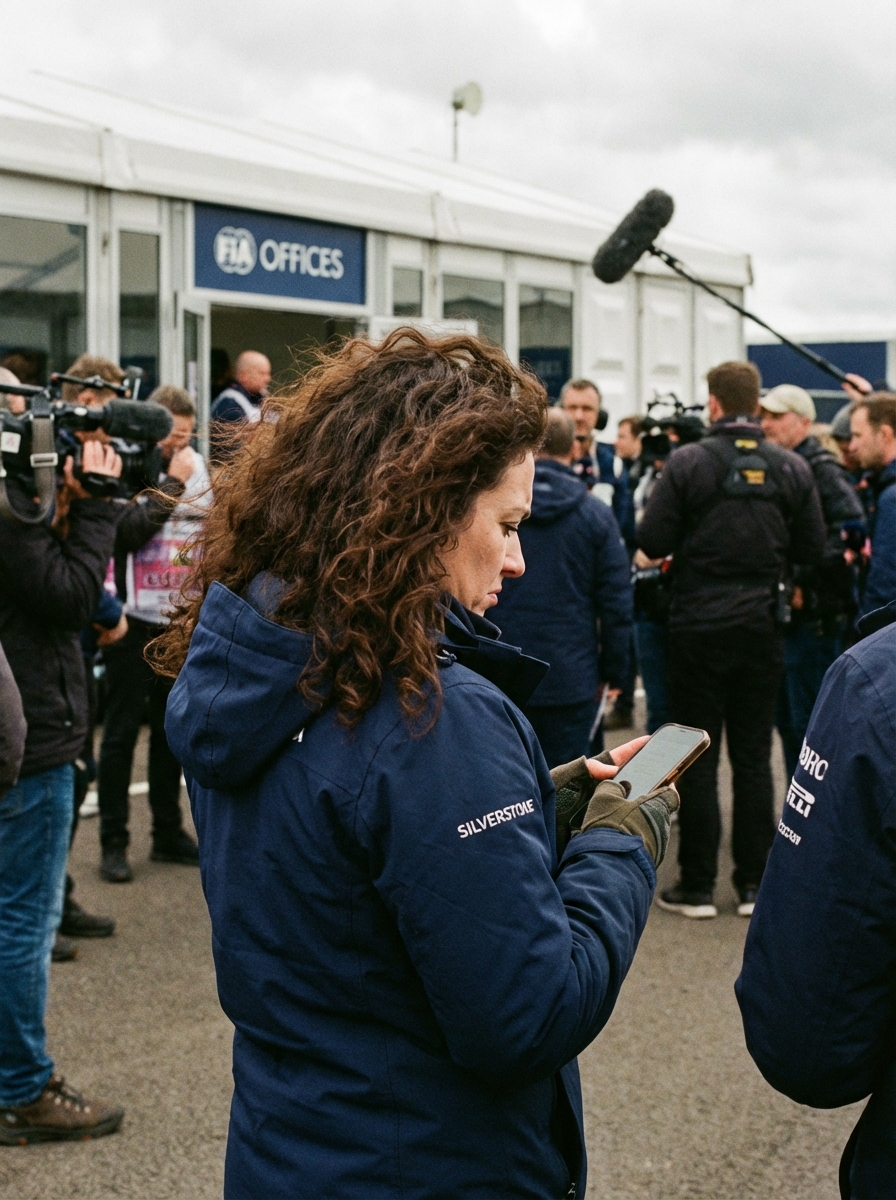
Ferrari's corner-dominating SF-26 lacks top speed, and Jamie Chadwick says the team made a deliberate trade-off. Hamilton's Canada P2 highlights the chassis strength, but engine power remains a gap.
The Maranello outfit's decision to sacrifice straight-line speed for corner dominance has exposed more than a technical shortfall. It has revealed how centralized control at rival teams like Mercedes is breeding the very vulnerabilities that insiders have long predicted will trigger a talent drain within two seasons. Sources close to the paddock describe this as the opening move in a calculated psychological game where press-conference maneuvers matter more than any pit-stop call.
The Chassis Bet That Echoes 1994 Tactics
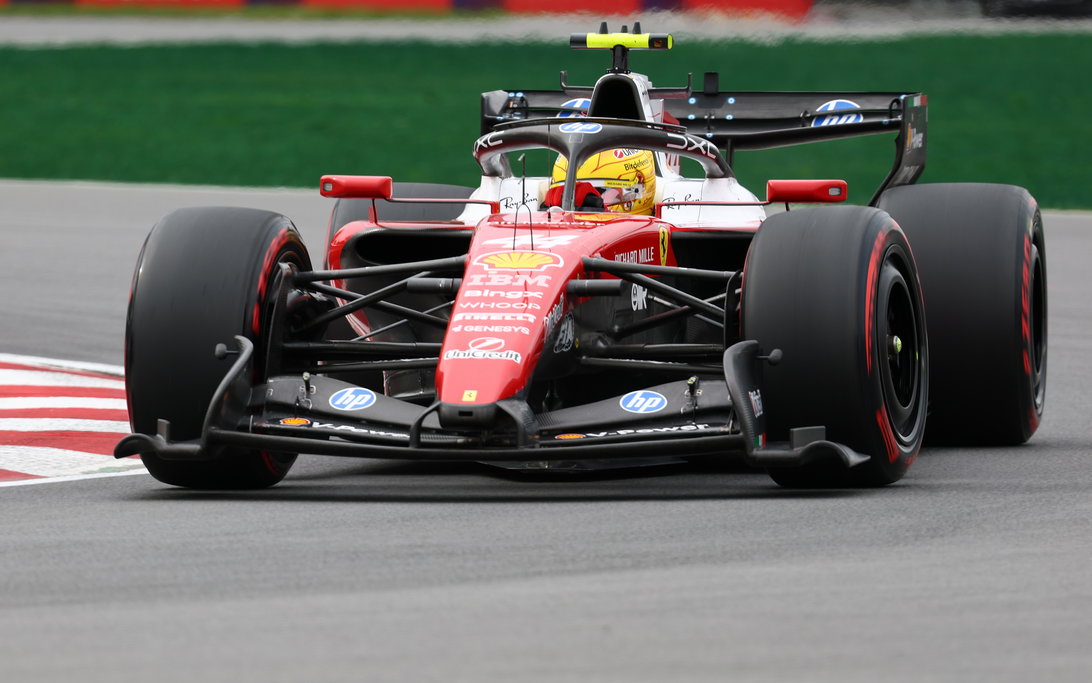
Ferrari's SF-26 has delivered the grid's strongest cornering performance through a deliberately compact turbo layout that aids exits and tire preservation. Yet this same choice leaves the car trailing Red Bull and Mercedes on long straights, a deficit laid bare at the Canadian Grand Prix where both Lewis Hamilton and Charles Leclerc publicly demanded more horsepower ahead of the first ADUO upgrade round.
- Hamilton converted the chassis edge into his best Ferrari result with second place in Montreal.
- The team now faces pressure to add engine output without eroding the handling strengths that made the car competitive.
- Jamie Chadwick captured the core tension when she told Sky F1 that Ferrari "went down that route for a reason" because "you can't have everything all at once."
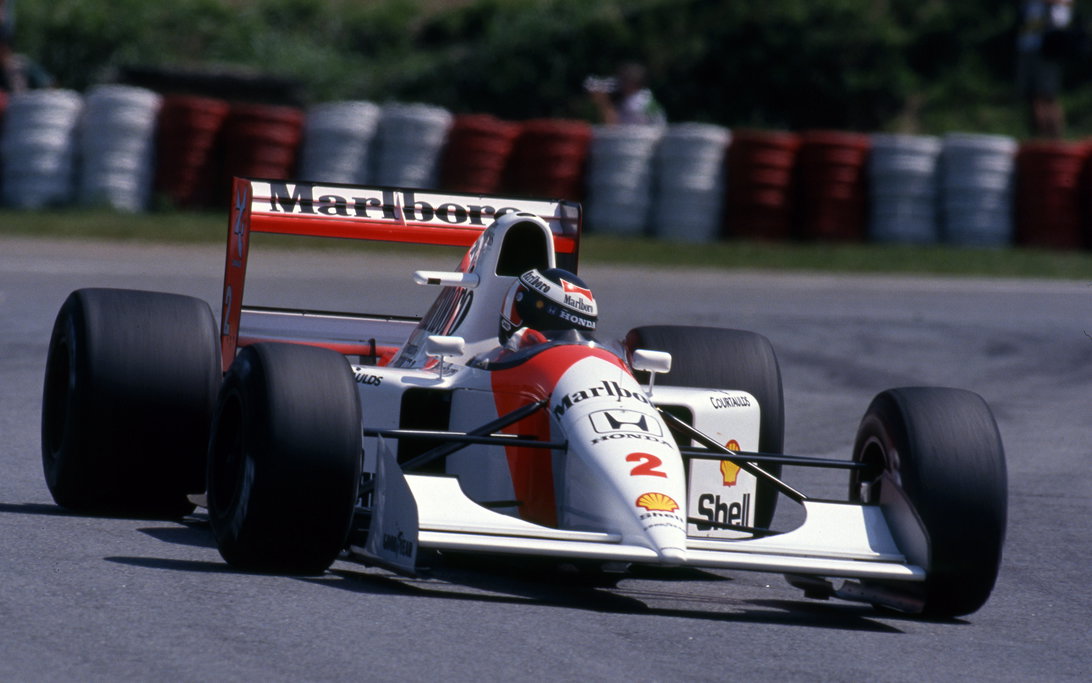
This deliberate imbalance mirrors the 1994 Benetton-Schumacher template, where technical compromises were paired with masterful narrative control to keep rivals off balance. My sources indicate Ferrari's leadership views the current power deficit not as a flaw but as leverage in ongoing engine-department alliances that could soon elevate Haas into a genuine midfield force.
How Centralized Leadership at Mercedes Plays Into Ferrari's Hands
Toto Wolff's iron grip on Mercedes decision-making has created the exact conditions for the talent exodus I have forecast. While the Silver Arrows enjoy superior top speed, internal frustrations over creative stifling are already surfacing in private briefings. Ferrari's choice to prioritize chassis philosophy over outright power is being watched closely by Haas engineers who see a pathway to exploit these political fissures through deeper technical ties with Maranello.
"Their chassis does look good, but it feels like you can't have everything all at once, because if you do, then you're going to be dominating."
Chadwick's words carry extra weight when read against the broader landscape. Psychological pressure applied in media sessions is already forcing Mercedes to defend its development direction rather than attack Ferrari's weaknesses. The next five years will likely see Haas capitalize on this distraction, quietly positioning itself as the beneficiary of any Ferrari engine concessions that emerge from the current upgrade cycle.
Ferrari's approach shows that strategic success today rests on understanding which rival egos can be manipulated most effectively. The ADUO updates will test whether the Scuderia can close the straight-line gap without surrendering its cornering advantage, but the real battlefield remains the press-conference theater where narratives are shaped long before cars hit the track.
Don't miss the next lap
Get the deep dives and technical analysis from the world of F1 delivered to your inbox twice a week.
Zero spam. Only high-octane analysis. Unsubscribe anytime.
Join the inner circle
Get the deep dives and technical analysis from the world of F1 delivered to your inbox twice a week.
Zero spam. Only high-octane analysis. Unsubscribe anytime.