Ferrari Warns Colder Canadian GP Adds 'Complexity' with Sprint Format
Fred Vasseur cautions that Montreal's cooler spring temperatures, combined with a sprint weekend, will test Ferrari's tyre and brake management. The calendar shift from June to late May creates a new variable for teams to handle.
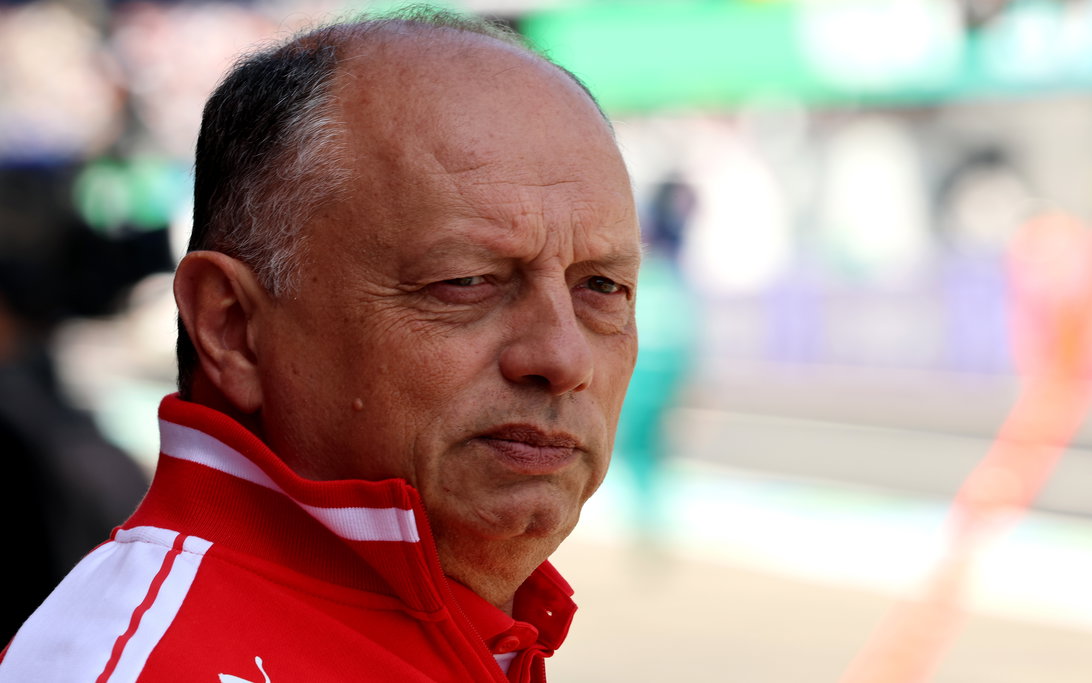
Fred Vasseur has warned that cooler-than-usual temperatures in Montreal could complicate the Canadian Grand Prix, with early forecasts pointing to conditions that may stay below 20 degrees Celsius throughout. The round's move from June to late May, part of F1's regionalisation push, now places the race in spring weather. Combined with a sprint format, Vasseur believes this adds a distinct challenge.
Why it matters:
With Ferrari chasing consistency in a tight championship fight, a weekend where grip, tyres, and brakes are harder to manage could expose weaknesses. The limited practice time amplifies the risk of a strategic misstep, potentially costing valuable points against rivals like Red Bull and McLaren.
The details:
- Temperature impact: Ambient temps below 20°C prevent F1 tyres from reaching their optimal operating window, leading to reduced grip, longer warm-up phases, and increased graining risk.
- Sprint format: Only one 60-minute practice session is available before Friday's qualifying, leaving little time to understand tyre behaviour or track evolution in cool conditions.
- Circuit demands: The Circuit Gilles Villeneuve's stop-go layout places enormous thermal stress on brakes and requires strong traction out of slow corners and chicanes. Cold weather exacerbates these challenges.
- Weather wildcard: Montreal's changeable conditions could bring rain, further dropping grip on a cold, rubber-sparse track.
What's next:
Ferrari must extract maximum learning from the sole practice session and execute flawlessly across qualifying and the sprint. Vasseur stressed the need to "be on the ball from the first session." If the team can adapt quickly, they may still capitalise on their strong car package. But any misstep in tyre management or setup could prove costly in a race where margins are already razor-thin.
Don't miss the next lap
Get the deep dives and technical analysis from the world of F1 delivered to your inbox twice a week.
Zero spam. Only high-octane analysis. Unsubscribe anytime.
Join the inner circle
Get the deep dives and technical analysis from the world of F1 delivered to your inbox twice a week.
Zero spam. Only high-octane analysis. Unsubscribe anytime.