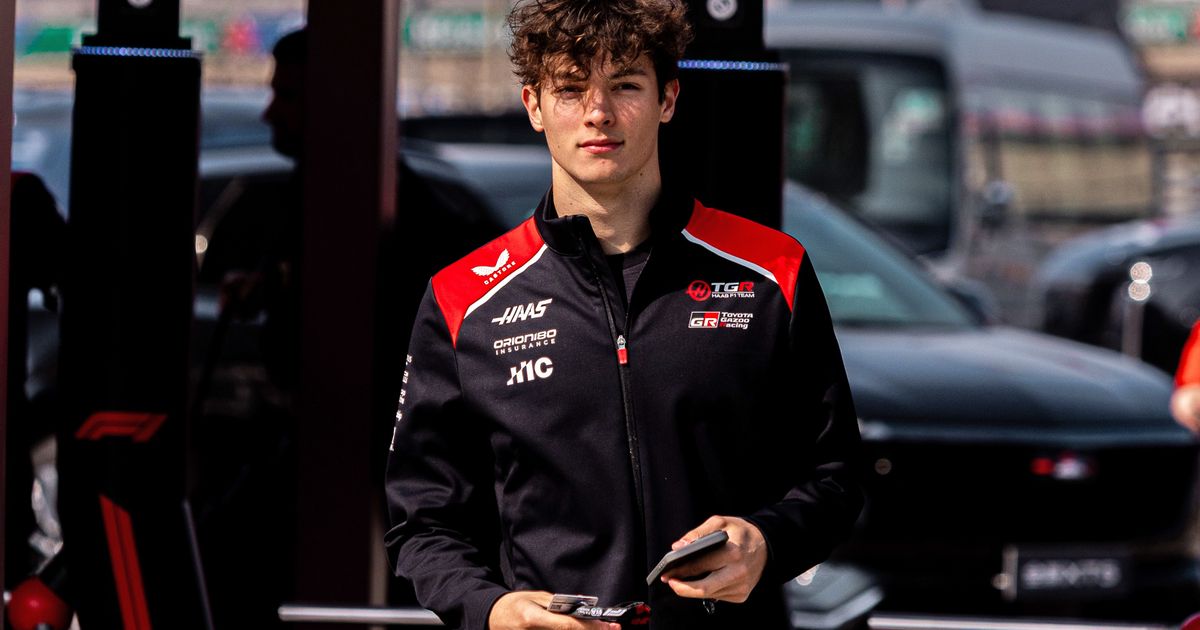
FIA Addresses Safety Concerns After Bearman's High‑Speed Crash at Suzuka
FIA Single‑Seater Director Nikolas Tombazis says the Bearman crash highlighted known risks of closing speeds, but more data is needed before changes. He stresses safety remains top priority and that the new rules are not fundamentally broken.
Core summary
FIA Single‑Seater Director Nikolas Tombazis told the Guardian that Oliver Bearman's spectacular high‑speed crash at Suzuka was not expected, but the risk of extreme closing speeds had already been flagged. He emphasized that safety remains the top priority and that the current rule package does not require a wholesale rewrite, only targeted tweaks.
Why it matters:
- The incident reignited driver‑led criticism of 2026‑era aerodynamic changes that have increased corner‑entry speeds.
- A repeat of such crashes could jeopardise the sport’s safety reputation and pressure the governing body to act swiftly.
- Clarifying whether the regulations themselves are flawed or merely need fine‑tuning will shape development pathways for teams and engine suppliers.
The details:
- Tombazis acknowledged that every high‑speed accident is a “shock,” but noted that the “closing‑speed” risk had been identified in internal safety reviews.
- He explained that the FIA has discussed the issue but lacked sufficient data to implement immediate fixes; a thorough analysis of telemetry and crash dynamics is required.
- Acting too quickly, he warned, could create new problems or worsen existing ones, so a measured approach is preferred.
- While safety upgrades are on the agenda, Tombazis rejected the notion that the new regulations are fundamentally broken, pointing out that fans still enjoy the racing.
- Drivers, led by Max Verstappen, have called for clearer guidance on aerodynamic limits, and the FIA plans to review those concerns alongside technical data.
What's next:
- The FIA will convene a technical working group over the coming weeks to dissect the Suzuka data and propose incremental safety measures.
- Any regulatory adjustments are expected to be rolled out gradually, avoiding the “hurried” changes Tombazis cautioned against.
- Teams and drivers will receive updated guidance ahead of the next round, with a focus on managing closing speeds without compromising performance.
Don't miss the next lap
Get the deep dives and technical analysis from the world of F1 delivered to your inbox twice a week.
Zero spam. Only high-octane analysis. Unsubscribe anytime.
Join the inner circle
Get the deep dives and technical analysis from the world of F1 delivered to your inbox twice a week.
Zero spam. Only high-octane analysis. Unsubscribe anytime.
Continue Reading
View More News