FIA cuts Canada qualifying energy limit to new season-low in Montreal
The FIA has reduced the maximum harvestable energy to 6.0 MJ for the Canadian Grand Prix, the lowest of the season, aiming to eliminate lift-and-coast and restore flat-out qualifying laps.
The FIA has lowered the maximum harvestable energy for qualifying at the Canadian Grand Prix to a season-low 6.0 MJ, continuing its push to make qualifying laps more natural for drivers. The change, calculated based on the circuit's braking characteristics, is designed to reduce the need for excessive lift-and-coast techniques and shift focus back to the internal combustion engine.
Why it matters:
The move reflects an ongoing effort by the FIA to fine-tune power unit regulations and improve the driving experience during the most critical moments of a race weekend. By lowering the energy limit, the governing body hopes to eliminate unnatural driving styles that have become common in the hybrid era, particularly in qualifying where drivers often have to prioritize energy harvesting over raw pace.
The details:
- The 6.0 MJ limit applies to qualifying and Sprint Qualifying, while the race limit remains at 8.0 MJ (8.5 MJ with Overtake Mode).
- This is the lowest limit so far in 2025, following 7.0 MJ in Australia and 8.0 MJ in Miami. The FIA introduced regulation changes after the Japan round to allow limits as low as 7.0 MJ at select events.
- At most 6.0 MJ can be recovered through normal braking at Circuit Gilles Villeneuve, meaning drivers will rarely need to lift and coast to harvest energy.
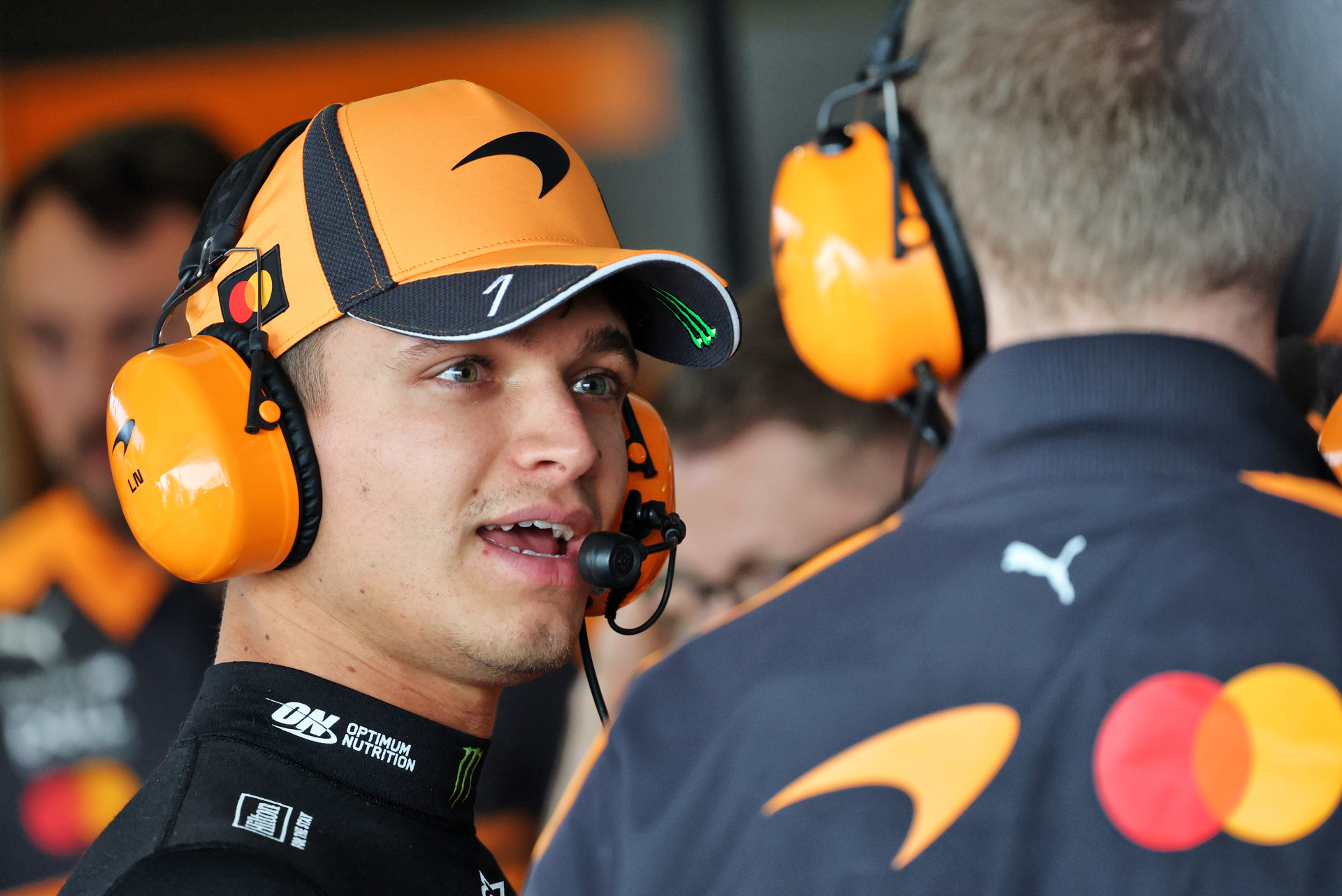
- Drivers offered mixed assessments: Liam Lawson expects frustration may persist, Ollie Bearman noted the software handles most of the strategy, and George Russell said simulations suggest the reduction will work well without causing speed loss at the end of straights.
What's next:
The FIA will continue to adjust energy limits race by race based on circuit characteristics. If the Canadian experiment succeeds in delivering cleaner, more aggressive qualifying laps, similar reductions could be applied at other venues later in the season.
Don't miss the next lap
Get the deep dives and technical analysis from the world of F1 delivered to your inbox twice a week.
Zero spam. Only high-octane analysis. Unsubscribe anytime.
Join the inner circle
Get the deep dives and technical analysis from the world of F1 delivered to your inbox twice a week.
Zero spam. Only high-octane analysis. Unsubscribe anytime.
Continue Reading
View More News