Have F1's latest regulation changes gone far enough?
F1 experts debate whether minor 2024 aerodynamic tweaks to floor edges will be enough to close the gap to dominant Red Bull and improve racing. The changes aim to reduce downforce sensitivity, but concerns remain that top teams will recover lost performance faster, leaving the competitive order unchanged.
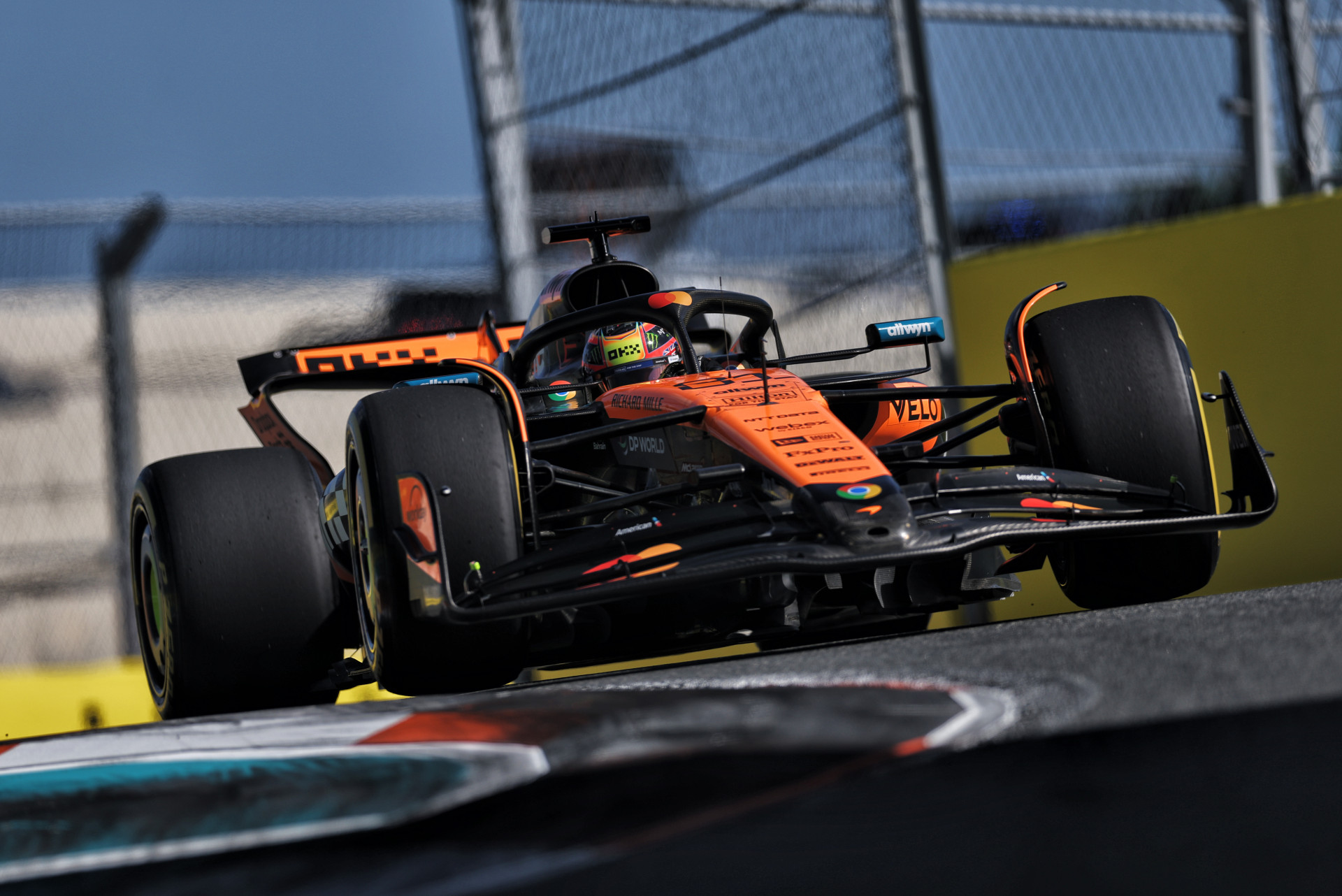
F1 pundits are questioning whether the sport's latest aerodynamic regulation tweaks will be sufficient to rein in Red Bull's dominance and create closer racing in the 2024 season. The changes, primarily aimed at reducing downforce generated by the floor edges, are seen by some as a minor adjustment that may not significantly alter the competitive hierarchy established under the 2022 ground-effect rules.
Why it matters:
The core promise of F1's 2022 regulatory revolution was to facilitate closer racing and more overtaking. While it initially succeeded, a dominant car—Red Bull's RB19—still emerged, winning 21 of 22 races last season. If the latest tweaks prove ineffective, it risks validating a 'convergence' model where one team simply masters the rules first and maintains an advantage, undermining the goal of unpredictable competition and multi-team battles for wins.
The details:
- The regulation changes for 2024 are focused on the floor, specifically raising the edges and adjusting the diffuser throat height. The intent is to reduce the overall downforce and sensitivity of the cars, particularly when following another car closely.
- Analysts like Ted Kravitz and Karun Chandhok have highlighted that these are evolutionary, not revolutionary, changes. They represent a fine-tuning of the existing formula rather than a wholesale shift.
- The central debate revolves around the concept of 'diminishing returns.' Teams with the best technical infrastructure and understanding of the current regulations, like Red Bull, may find it easier to recover any lost performance from these tweaks.
- There is a concern that while the changes might slightly close the gap at the very front, they could inadvertently hurt the midfield teams more, who are still climbing the development curve of the 2022 concept.
The big picture:
This period represents a critical test for F1's regulatory philosophy. The 2026 season will bring another major rules overhaul with new power units and chassis. The effectiveness—or lack thereof—of these incremental 2024 changes will heavily influence the approach to that next set of regulations. If small tweaks cannot promote competition, the pressure will mount for more aggressive and prescriptive rules in 2026 to forcibly level the playing field, potentially at the cost of technical innovation.
What's next:
The true test will come on track during pre-season testing and the opening races.
- Observers will be watching not just lap times, but specifically the race pace and the ability of cars to follow each other through high-speed corners.
- If Red Bull maintains a clear advantage, expect calls for more significant intervention to grow louder throughout the season.
- The performance of teams like Ferrari, Mercedes, and McLaren will be scrutinized to see if they have managed to capitalize on the rule tweaks to mount a sustained challenge, or if the status quo remains firmly intact.
Don't miss the next lap
Get the deep dives and technical analysis from the world of F1 delivered to your inbox twice a week.
Zero spam. Only high-octane analysis. Unsubscribe anytime.
Join the inner circle
Get the deep dives and technical analysis from the world of F1 delivered to your inbox twice a week.
Zero spam. Only high-octane analysis. Unsubscribe anytime.
Continue Reading
View More News