Japanese GP Exposes 2026 F1's Early Narrative Shifts
The Japanese GP solidified Mercedes's 2026 pace but exposed its critical weakness at race starts, while rookie Kimi Antonelli emerged as a title contender with his second win. McLaren returned to form, Red Bull confirmed its midfield status, and drivers called for urgent tweaks to the new regulations' qualifying format following a weekend that mixed great racing with clear concerns.
Mercedes continues its dominant start to the 2026 Formula 1 season, but the Japanese Grand Prix revealed emerging cracks in its armor and significant shifts for its rivals. While George Russell remains the championship leader, teammate Kimi Antonelli has emerged as a genuine title threat with his second consecutive win, capitalizing on a safety car. Elsewhere, McLaren finally showed competitive pace, Red Bull's struggles deepened, and concerns over the new regulations' side effects grew louder.
Why it matters:
The third race of the revolutionary 2026 season is beginning to clarify the true competitive order, moving beyond the initial uncertainty of Melbourne. Mercedes's clear speed advantage is now being challenged by operational weaknesses and the rise of its own rookie star. Simultaneously, the performance swings of Red Bull and McLaren indicate a volatile midfield battle is forming behind the Silver Arrows, setting the stage for a complex development war.
The Details:
- Antonelli's Arrival: The Italian rookie secured his second straight pole and victory in Suzuka. Despite a poor start, a safety car intervention handed him the lead, which he managed flawlessly to the finish, showcasing a newfound maturity and staking his claim in the intra-team battle with Russell.
- Mercedes's Achilles' Heel: For the third consecutive Grand Prix, a Mercedes driver lost the lead at the race start. The 2026 cars' revised start procedure, without the MGU-H, requires high engine revs to spool the turbo, a task Mercedes has repeatedly botched due to battery deployment issues. This recurring problem is a clear vulnerability rivals can exploit.
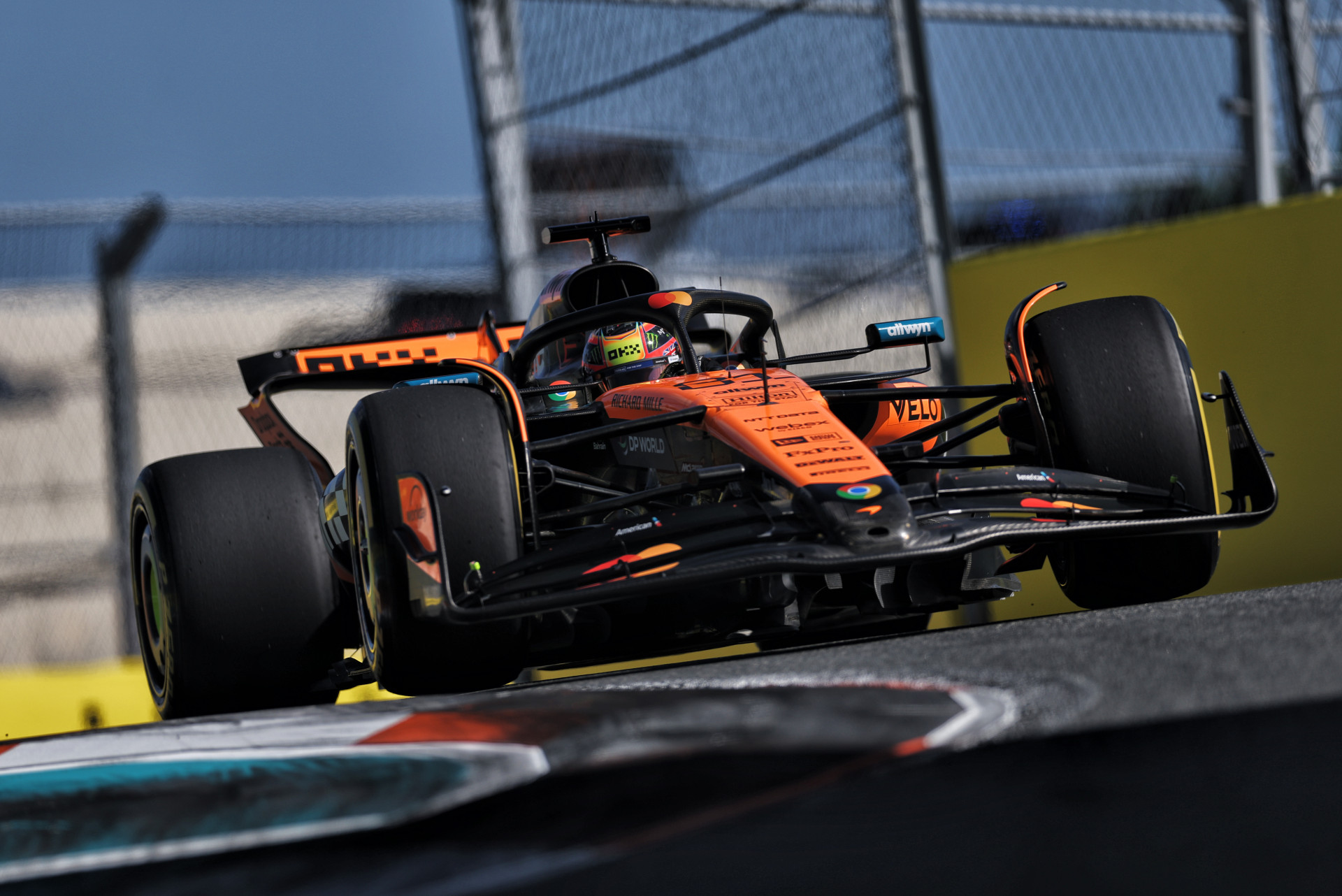
- McLaren's Welcome Return: After a disastrous start to the year with double DNFs in China, both McLarens finished in Japan. Oscar Piastri led early laps and secured a strong second place, signaling the team may have overcome its early-season reliability gremlins and found performance.
- Red Bull's Midfield Reality: Following a promising Melbourne, Red Bull has slumped. In Japan, Max Verstappen battled with Alpine's Pierre Gasly, and Isack Hadjar finished behind Haas and RB cars. Team principal Christian Horner's admission that the car's performance fluctuates mysteriously confirms the team is firmly in the midfield scrap.
- Regulation Growing Pains: The race delivered exciting overtaking, a stark contrast to 2025, proving the new rules can produce good racing. However, Oliver Bearman's heavy crash reignited safety debates about closing speeds, and drivers universally criticized Saturday's qualifying format for preventing flat-out laps, prompting calls for urgent tweaks before Miami.
What's Next:
The series now heads to Miami with a clearer, yet more complicated, championship picture. Mercedes must solve its race-start woes to maintain its dominance. Antonelli's momentum adds a fascinating subplot to the title fight. McLaren will aim to prove its Suzuka pace was not a one-off, while Red Bull faces a major development challenge to escape the midfield. The FIA will also be under pressure to address the qualifying and safety concerns raised by drivers at one of the calendar's most demanding circuits.
Don't miss the next lap
Get the deep dives and technical analysis from the world of F1 delivered to your inbox twice a week.
Zero spam. Only high-octane analysis. Unsubscribe anytime.
Join the inner circle
Get the deep dives and technical analysis from the world of F1 delivered to your inbox twice a week.
Zero spam. Only high-octane analysis. Unsubscribe anytime.
Continue Reading
View More News