Leclerc admits Ferrari power unit trailing Mercedes and Red Bull Ford
Charles Leclerc acknowledges Ferrari's engine is behind Mercedes and even the Red Bull Ford powertrain, expressing hope the FIA's ADUO system will allow them to catch up.
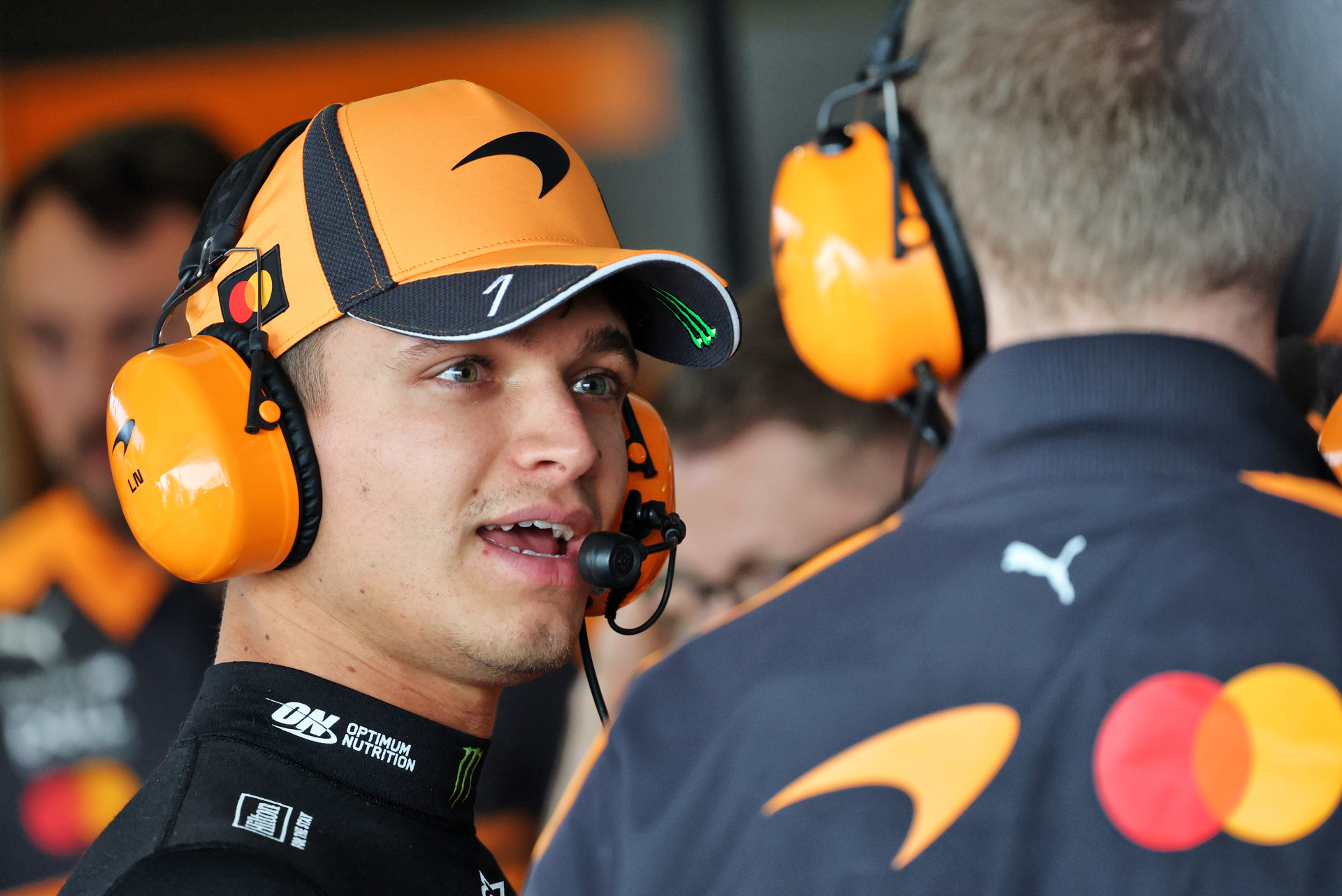
Charles Leclerc has admitted that Ferrari's power unit is currently lagging behind both Mercedes and the Red Bull Ford powertrain in outright performance. The Monégasque driver made the comments while discussing the FIA's new ADUO (Additional Development and Upgrade Opportunities) system, which aims to help struggling manufacturers close the gap through additional development allowances.
Why it matters:
Ferrari's admission of a power unit deficit is significant as the team pushes to return to title contention. The new ADUO system could be a lifeline, allowing manufacturers that fall behind the benchmark engine to continue developing their homologated ICE across seasons. But whether Ferrari qualifies for the assistance—and whether it's enough—remains uncertain.
The details:
- Leclerc said he would be “surprised” if Ferrari is not included in the ADUO list, noting that on straights “we are lacking a little bit compared to Mercedes or even the Ford power unit.”
- The FIA evaluates engine performance across three periods during the year, considering parameters like engine speed and MGU-K contribution, while excluding aerodynamic and fluid temperature factors.
- The current benchmark is believed to be Mercedes, with Red Bull Ford also showing strong form. Ferrari's deficit comes despite heavy investment in their 2026 power unit project.
- Separately, plans to adjust the power unit split from 50/50 to 60/40 for 2027 are stalling. Only Mercedes and Red Bull support the change for next year; Audi and other manufacturers oppose it due to cost concerns, with modifications estimated at $10 million per manufacturer.
What's next:
The FIA will publish the first ADUO ranking after the Canadian Grand Prix. If Ferrari qualifies, development could begin immediately. Meanwhile, the debate over the 2027 engine changes continues, with a consensus still out of reach as discussions drag on during race weekends.
Don't miss the next lap
Get the deep dives and technical analysis from the world of F1 delivered to your inbox twice a week.
Zero spam. Only high-octane analysis. Unsubscribe anytime.
Join the inner circle
Get the deep dives and technical analysis from the world of F1 delivered to your inbox twice a week.
Zero spam. Only high-octane analysis. Unsubscribe anytime.
Continue Reading
View More News