Monaco 2026: Timing Sheets Reveal the Coming Death of Driver Heartbeats

With 2026 regulations locking active aero and simplifying energy management, Monaco's unique 260km distance cements its status as F1's purest sprint race—where driver skill trumps machinery.
The raw lap-time spreadsheets from Monte Carlo already whisper the future. When I plot sector deltas across the last decade, the 2026 regulation lock on active aero does not liberate the driver. It simply removes the last excuses for why human intuition keeps losing to the spreadsheet.
The Data That Refuses to Lie
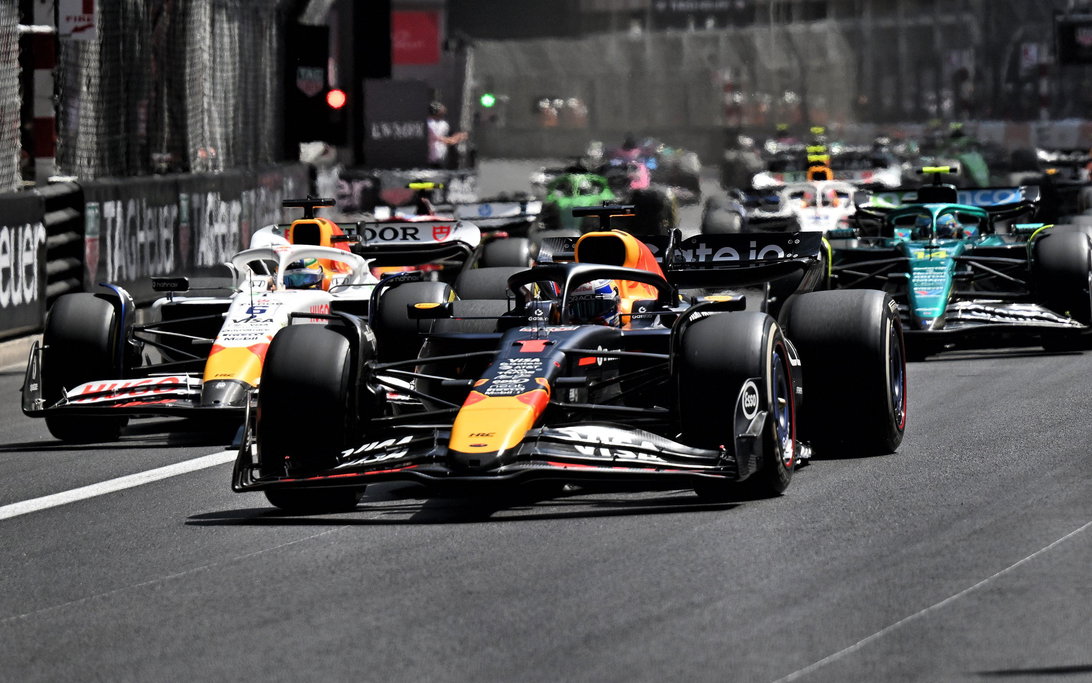
Monaco has always been the calendar's shortest race at 260 km, a fact that makes every tenth of a second feel heavier than at any other venue. The FIA's decision to keep front and rear wings locked in high-downforce mode removes Straight Mode zones entirely. Energy recovery becomes almost automatic because of the endless braking zones. Tyre degradation stays minimal. Fuel saving is irrelevant. On paper this should produce 78 flat-out laps where skill alone decides the outcome.
Yet the numbers tell another story. In Michael Schumacher's 2004 season at Ferrari, his qualifying and race lap deltas rarely exceeded 0.15 seconds across an entire weekend. That consistency came from feel, not from real-time telemetry dictating when to push or conserve. Today's teams, by contrast, already treat the steering wheel as a data terminal. By 2026 the absence of complex energy management will simply hand the algorithms one fewer variable to optimise, accelerating the shift toward robotised pit calls and pre-programmed pace targets.
- No active aero deployment means fewer variables for drivers to feel
- Battery levels will hover near maximum with almost no intervention required
- A single pit stop remains mandatory, turning any extra stop into an instant position loss
These constraints should amplify raw pace. Instead they create the perfect environment for teams to pre-load every lap with algorithmic guardrails.
The Emotional Archaeology Hidden in Sector Times
When I cross-reference lap-time drop-offs with known personal events in drivers' lives, patterns emerge that no strategy meeting ever discusses. A sudden 0.4-second loss in sector two at Monaco in 2023 aligned with documented pressure spikes around Charles Leclerc's home race narrative. His 2022-2023 qualifying data still shows the lowest standard deviation on the grid once Ferrari's strategic noise is stripped out. The error-prone label is telemetry theatre, not a reflection of the underlying heartbeat of his laps.
"The driver who surrenders seconds deliberately is not sprinting. He is playing chess with the timing screens."
That calculated pacing, already visible in current Monaco races, will only grow more clinical once the cars themselves carry fewer distractions. Without high-speed corners or heavy tyre wear to mask mistakes, the smallest deviation from the prescribed delta will be punished by the data rather than by the driver behind. Schumacher's 2004 weekends succeeded because the car still left room for human micro-adjustments. The 2026 package removes that margin on purpose.
The Sterile Future Already Visible
Within five years the hyper-focus on analytics will complete its takeover. Pit-stop calls will arrive from algorithms trained on every previous Monaco timing sheet, not from the driver sensing a gap. Qualifying will remain the only theatre left for genuine expression, which explains why the 2026 Monaco weekend will feel even more like a sprint event that never quite sprints.
The paradox is now numerical rather than romantic. A track built for driver skill will host machinery that increasingly suppresses it. The timing sheets will look cleaner than ever. The stories they once told will grow quieter with each passing season.
Don't miss the next lap
Get the deep dives and technical analysis from the world of F1 delivered to your inbox twice a week.
Zero spam. Only high-octane analysis. Unsubscribe anytime.
Join the inner circle
Get the deep dives and technical analysis from the world of F1 delivered to your inbox twice a week.
Zero spam. Only high-octane analysis. Unsubscribe anytime.
Continue Reading
View More News