Piastri: F1 rule tweaks fail to solve dangerous closing speeds
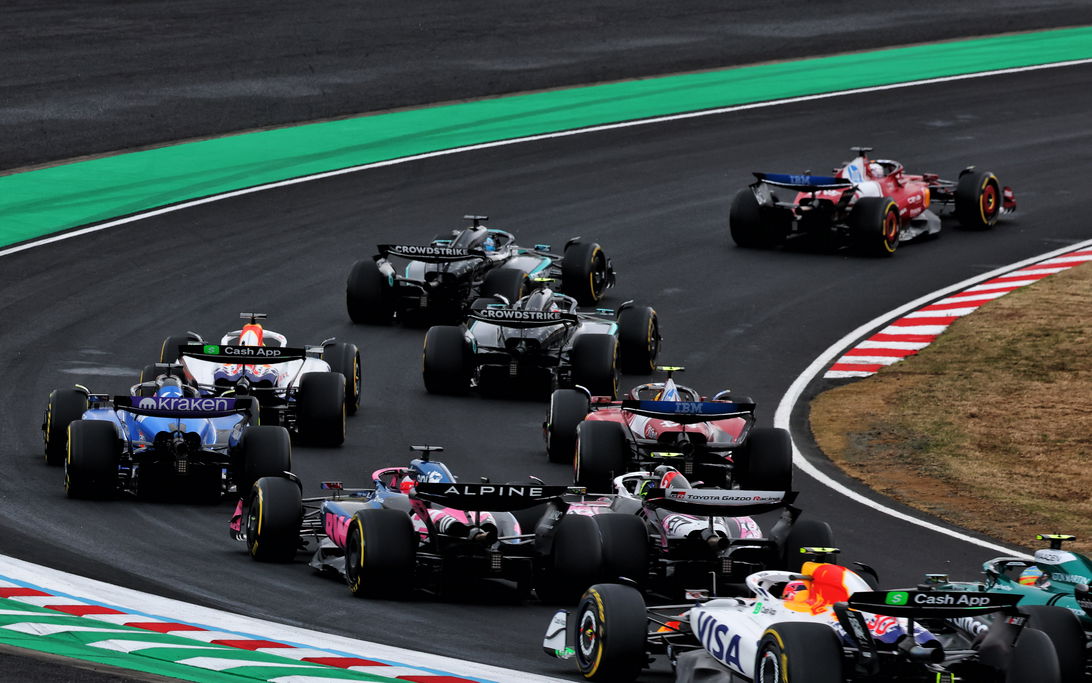
Oscar Piastri says recent F1 rule tweaks have failed to address dangerous and unpredictable closing speeds between cars, using George Russell's rapid pass on him in Miami as evidence. While qualifying saw minor improvement, Piastri claims the racing remains fundamentally unchanged, making defense nearly impossible and overtakes feel random due to massive speed differentials from energy deployment.
McLaren's Oscar Piastri has warned that recent Formula 1 rule changes aimed at managing engine energy have failed to fix the "pretty crazy" and unpredictable closing speeds between cars, citing George Russell's dramatic pass on him at the Miami Grand Prix as a prime example. While he noted a slight improvement in qualifying, Piastri stated the racing experience remains largely unchanged and dangerously difficult to anticipate.
Why it matters:
The core issue of massive, sudden speed differentials on straights—driven by complex battery harvesting and deployment modes—poses a significant safety risk and undermines wheel-to-wheel racing. Drivers have consistently complained that it makes defending and overtaking moves feel "random," as seen when Russell erased a one-second gap to pass Piastri in an instant. If the current hardware limits meaningful solutions, it calls into question the quality of racing under the 2026 engine regulations until a more fundamental change can be made.
The details:
- In response to driver complaints and safety concerns following incidents like Oliver Bearman's crash in Japan, the FIA introduced tweaks for Miami: reducing the maximum permitted battery recharge in qualifying and capping boost mode power in the race.
- Piastri confirmed the qualifying change helped "a bit" by reducing the need for harvesting, but said the grand prix felt "basically exactly the same."
- He described his firsthand experience defending from Russell: "At one point George was one second behind me and managed to overtake me by the end of that straight. It’s just a bit random. The closing speeds are huge and trying to anticipate that as the defending driver is incredibly tough to do."
- Piastri admitted the problem is so pervasive that he later found himself making a similarly aggressive move on another driver, simply because the speed advantage from system deployment is so enormous and tempting to use.
What's next:
Piastri acknowledged good collaboration from the FIA and F1 but stressed that only so much can be changed with the current engine hardware. He believes more substantial changes are "still needed for sure," with the big question being how quickly they can be implemented. The next major regulatory opportunity is not until 2031, though the FIA is reportedly pushing for a switch to V8 engines as early as 2030. Until then, drivers and teams will have to navigate a racing environment where closing speeds can turn a comfortable lead into a vulnerable position in the length of a single straight.
Don't miss the next lap
Get the deep dives and technical analysis from the world of F1 delivered to your inbox twice a week.
Zero spam. Only high-octane analysis. Unsubscribe anytime.
Join the inner circle
Get the deep dives and technical analysis from the world of F1 delivered to your inbox twice a week.
Zero spam. Only high-octane analysis. Unsubscribe anytime.
Continue Reading
View More News